
Dr Nazir I Juvale
About Me
Dr Nazir I Juvale
Cardiologist
Biography
My Clinic
OPD Hours
| Monday | Morning | 10:00 AM | - | 02:00 PM |
| Evening | 06:00 PM | - | 09:00 PM | |
| Tuesday | Morning | 10:00 AM | - | 02:00 PM |
| Evening | 06:00 PM | - | 09:00 PM | |
| Wednesday | Morning | 10:00 AM | - | 02:00 PM |
| Evening | 06:00 PM | - | 09:00 PM | |
| Thursday | Morning | 10:00 AM | - | 02:00 PM |
| Evening | 06:00 PM | - | 09:00 PM | |
| Friday | Morning | 10:00 AM | - | 02:00 PM |
| Evening | 06:00 PM | - | 09:00 PM | |
| Saturday | Morning | 10:00 AM | - | 02:00 PM |
| Evening | 06:00 PM | - | 09:00 PM | |
| Sunday | Morning | 10:00 AM | - | 02:00 PM |
| Evening | 06:00 PM | - | 09:00 PM |
Treatments
Specialised care and treatments offered
CORONARY ARTERY DISEASE (CAD) PREVENTION

Coronary artery disease (CAD) arises when coronary arteries become narrowed or blocked due to plaque buildup. Recognizing preventive measures plays an essential role in reducing one's risk of developing this condition over time effectively!
- Although CAD might not present immediate symptoms initially signaling dangerous occurrences like chest pain or discomfort could indicate worsening situations that should not be ignored!
- Regular screenings utilizing methods such as angiograms paired together alongside non-invasive testing help identify potential areas needing attention beforehand thus curbing adverse outcomes well before they ever manifest themselves publicly!
- Lifestyle changes focusing mainly upon dietary improvements complemented by consistent exercise regimens lays foundational groundwork capable enough supporting long-term arterial health positively impacting lifestyles prevailing across generations!
- Medications designed specifically targeting lowering LDL cholesterol levels alongside continuous monitoring assist proactively managing modifiable components afflicting personal cardiac scenarios daily whilst ensuring professional guidance remains intact throughout one’s journey toward success fully!
Awareness surrounding preventive measures against CAD enables everyone participating towards achieving enhanced longevity filled roads absent from serious implications caused ultimately securing happier existence before crafting future endeavors passionately lived out among friends family loved ones daily!
LIFESTYLE MODIFICATION FOR HEART HEALTH
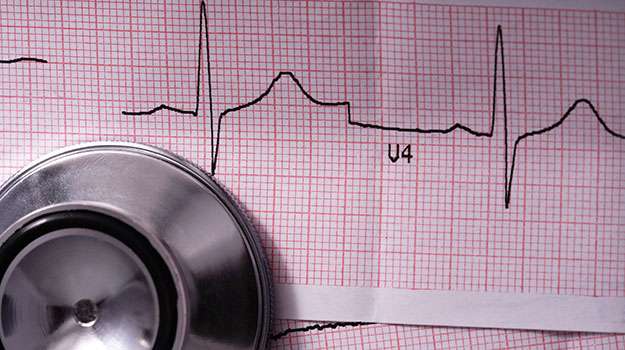
Making healthy lifestyle choices significantly contributes to maintaining cardiovascular wellness. By adopting certain habits, individuals can reduce their risk factors for numerous heart-related conditions effectively.
- This includes engaging in regular physical activity—aiming for at least 150 minutes of moderate aerobic exercise weekly—to strengthen the cardiovascular system significantly.
- A balanced diet rich in fruits, vegetables; whole grains; lean proteins directly supports maintaining optimal body weight which correlates strongly with reduced heart risks.
- Avoiding tobacco products altogether helps lower risks considerably since smoking adversely affects vascular health along with influencing other bodily systems negatively.
- Monitoring stress through techniques like mindfulness meditation assists greatly at keeping blood pressure stable contributing towards better overall heart function over time; social support networks provide additional encouragement during positive transitions into healthier living patterns.
Taking initiative towards lifestyle modifications allows everyone an opportunity towards betterment achieving sustainable improvements regarding cardiovascular health while embracing vitality throughout life’s journey ahead!
ATRIAL FIBRILLATION MANAGEMENT
Atrial fibrillation (AFib) is an irregular heartbeat that can increase the risk of stroke. Understanding AFib is vital for effective long-term management and prevention strategies against complications associated with this arrhythmia.
- The most common symptoms often include palpitations, dizziness, or fatigue; some patients may be asymptomatic entirely until complications arise.
- A diagnosis may require an EKG test or Holter monitor study that records heart rhythm over time for accurate results
- Treatment aims at controlling heart rate by using medications such as beta-blockers or anticoagulants to prevent any clot formation linked with AFib episodes.
- Lifestyle changes involving reducing alcohol intake and increasing regular exercising can also mitigate risks associated with AFib effectively.
Caring for atrial fibrillation involves regular follow-ups ensuring both effective medication use while implementing recommended lifestyle alterations aimed at supporting overall cardiovascular wellness.
HEART FAILURE MANAGEMENT
Heart failure is a chronic condition in which the heart is unable to pump sufficiently to maintain blood flow. Understanding this condition helps in managing it effectively and improving quality of life for patients.
- Common symptoms include fatigue, shortness of breath during exertion or when lying down, and swelling in the legs or ankles due to fluid retention.
- A healthcare provider confirms diagnosis through medical history reviews, physical exams, and tests such as echocardiograms or chest X-rays.
- Treatment generally involves a combination of dietetics, medication adherence (like diuretics), and lifestyle modifications including weight management and regular physical activity tailored to individual tolerance levels.
- Coping strategies also play an important role; educating patients about recognizing symptom exacerbations can help them respond promptly to worsening conditions.
Sustained management strategies have been shown to enhance standard living practices while mitigating symptoms substantially over time.
CHOLESTEROL MANAGEMENT
Managing cholesterol levels is essential for cardiovascular health. High cholesterol can lead to plaque buildup in arteries, increasing the risk of heart disease and stroke.
- The condition often presents no symptoms but can be identified through simple blood tests measuring lipid levels.
- A focus on dietary changes, such as reducing saturated fats and increasing fiber intake, is key in management.
- Regular exercise plays a vital role in improving lipid profiles and overall heart health.
- If lifestyle adjustments are insufficient, medications like statins may be prescribed to help control cholesterol levels effectively.
- Regular follow-ups and monitoring will ensure that patients stay on track with their treatment plan.
Through effective management of cholesterol levels, individuals can significantly lower their risk of developing heart-related conditions in the future.
HYPERTENSION MANAGEMENT
High blood pressure, commonly known as hypertension, is a condition where the force of blood against artery walls is consistently too high. Managing hypertension is crucial to prevent serious complications such as heart disease and stroke.
- Symptoms can often be subtle, including headaches, shortness of breath, or nosebleeds.
- Diagnosis typically involves measuring blood pressure multiple times under various conditions.
- Treatment options include lifestyle changes, such as improved diet and increased physical activity, alongside medications if necessary.
- Management strategies may involve regular monitoring and collaboration with healthcare professionals to tailor a plan that suits individual patient needs.
- The goal is to maintain blood pressure within a healthy range while minimizing side effects from medications.
With proper management, individuals can lead healthier lives and reduce their risk of serious health issues associated with high blood pressure.