
Dr Neelam Bapna
About Me
Dr Neelam Bapna
MBBS
General Physician
10 Years Experience
Biography
My Clinic
OPD Hours
| Monday | Morning | 10:00 AM | - | 02:00 PM |
| Evening | 06:00 PM | - | 09:00 PM | |
| Tuesday | Morning | 10:00 AM | - | 02:00 PM |
| Evening | 06:00 PM | - | 09:00 PM | |
| Wednesday | Morning | 10:00 AM | - | 02:00 PM |
| Evening | 06:00 PM | - | 09:00 PM | |
| Thursday | Morning | 10:00 AM | - | 02:00 PM |
| Evening | 06:00 PM | - | 09:00 PM | |
| Friday | Morning | 10:00 AM | - | 02:00 PM |
| Evening | 06:00 PM | - | 09:00 PM | |
| Saturday | Morning | 10:00 AM | - | 02:00 PM |
| Evening | 06:00 PM | - | 09:00 PM | |
| Sunday | Morning | 10:00 AM | - | 02:00 PM |
| Evening | 06:00 PM | - | 09:00 PM |
Treatments
Specialised care and treatments offered
ANEMIA EVALUATION
Anemia is characterized by a deficiency in red blood cells or hemoglobin leading to reduced oxygen flow within the body. Identifying anemia early aids in addressing underlying causes efficiently........
- >
THYROID FUNCTION TESTING

The evaluation of thyroid function is essential for diagnosing conditions related to hormone imbalances which affect metabolism. Abnormal thyroid levels can influence energy levels and overall health significantly.
- Hypothyroidism may result in fatigue, weight gain, and sensitivity to cold; while hyperthyroidism can cause weight loss, nervousness, and excessive sweating.
- A healthcare provider assesses thyroid function through blood tests measuring TSH (Thyroid Stimulating Hormone), T3, and T4 hormones
- Treatment commonly includes hormone replacement therapy in cases of hypothyroidism versus antithyroid medications for hyperthyroidism management
CHOLESTEROL SCREENING
Screening for cholesterol levels is an important preventive measure against cardiovascular diseases. Elevated cholesterol can lead to atherosclerosis—a buildup of fats in arteries that increases heart attack risk.
- High cholesterol often presents no symptoms until significant damage occurs; therefore routine testing is key for early detection.
- This typically includes a lipid panel test that measures total cholesterol as well as LDL (bad) and HDL (good) cholesterol levels in your bloodstream.
- If levels are abnormal, dietary changes like reducing saturated fat intake or increasing fiber can be beneficial alongside regular physical activity.
- Your doctor may prescribe medications known as statins if lifestyle changes are insufficient in controlling cholesterol levels.
An informed approach towards managing cholesterol significantly enhances cardiovascular health over time.
RESPIRATORY INFECTION DIAGNOSIS
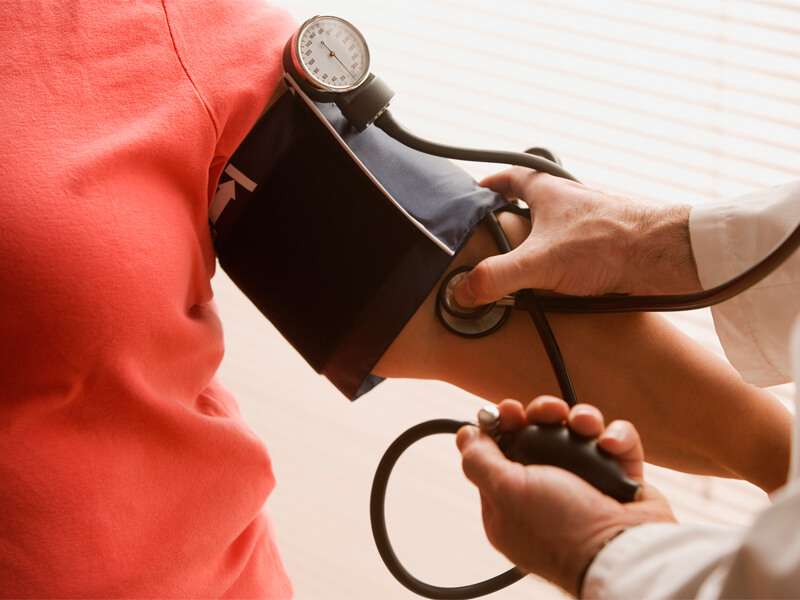
The diagnosis of respiratory infections encompasses various illnesses affecting the lungs and airways. Early identification is vital for effective treatment and preventing complications.
- Symptoms often present as a cough, fever, shortness of breath, or chest pain depending on the type of infection.
- A healthcare provider usually conducts a physical examination along with lab tests like sputum culture or chest X-rays for diagnosis.
- Treatment options vary widely based on the underlying cause—antibiotics for bacterial infections or antiviral medication for viral ones may be used.
- Palliative care methods such as inhalers or nebulizers might be employed to relieve symptoms temporarily.
A timely diagnosis ensures appropriate interventions that can greatly aid recovery from respiratory infections.
DIABETES SCREENING

Diabetes screening is crucial for early detection of this chronic condition that affects how your body processes glucose. Regular screenings can help prevent complications associated with unmanaged diabetes.
- Symptoms may include increased thirst, frequent urination, fatigue, and blurred vision.
- A simple blood test known as the fasting plasma glucose test determines your blood sugar levels after fasting overnight.
- If diagnosed with prediabetes or diabetes, lifestyle modifications such as improved diet and increased physical activity are recommended.
- Medications may also be prescribed to help manage blood sugar levels effectively.
- Ongoing monitoring of blood sugar levels is critical for ensuring long-term health outcomes.
Engagement in regular diabetes screening promotes proactive health management and helps mitigate risks associated with the disease.
HYPERTENSION MANAGEMENT

Hypertension, or high blood pressure, is a common medical condition that can lead to serious health issues if not properly managed. It often has no obvious symptoms, which is why frequent monitoring is essential.
- Common signs include headaches, dizziness, and nosebleeds, although many individuals are asymptomatic.
- Diagnosis typically involves measuring blood pressure with a sphygmomanometer on multiple occasions.
- Treatment may include lifestyle changes such as diet and exercise, along with medications like diuretics or ACE inhibitors.
- Regular follow-ups and blood pressure monitoring can help assess the effectiveness of treatment.
- Controlling hypertension significantly reduces the risk of heart disease and stroke.
Managing hypertension effectively involves a comprehensive approach to enhance overall well-being.