
Dr Neelam Choudha
About Me
Dr Neelam Choudha
MBBS
General Physician
Biography
My Clinic
OPD Hours
| Monday | Morning | 10:00 AM | - | 02:00 PM |
| Evening | 06:00 PM | - | 09:00 PM | |
| Tuesday | Morning | 10:00 AM | - | 02:00 PM |
| Evening | 06:00 PM | - | 09:00 PM | |
| Wednesday | Morning | 10:00 AM | - | 02:00 PM |
| Evening | 06:00 PM | - | 09:00 PM | |
| Thursday | Morning | 10:00 AM | - | 02:00 PM |
| Evening | 06:00 PM | - | 09:00 PM | |
| Friday | Morning | 10:00 AM | - | 02:00 PM |
| Evening | 06:00 PM | - | 09:00 PM | |
| Saturday | Morning | 10:00 AM | - | 02:00 PM |
| Evening | 06:00 PM | - | 09:00 PM | |
| Sunday | Morning | 10:00 AM | - | 02:00 PM |
| Evening | 06:00 PM | - | 09:00 PM |
Treatments
Specialised care and treatments offered
GENERAL HEALTH CHECK-UPS
Regular health check-ups play a crucial role in preventive medicine by identifying potential health issues before they become serious problems. These appointments are essential regardless of the presence of obvious health concerns
- A general check-up typically includes ; thorough assessment covering vital signs such as blood pressure readings alongside routine laboratory investigations focusing on cholesterol levels among others .
- Monitoring vaccinations ; staying updated helps protect against preventable diseases thus providing yet another layer topping layer protection from illness = additional measures required at different life stages
- Lifestyle counseling adopts significant emphasis (diet/exercise habits); this ensures patients receive guidance tailored specifically aimed at improving overall wellness .
- < Regular follow-ups allow tracking progress over time while addressing emerging concerns swiftly ensuring continuity upon progressing interventions into later stages needs come into play = especially beneficial managing chronic conditions down road !**
The significance behind undergoing consistent evaluations strengthens overall awareness thus leading healthier choices contributing further enhancement across one’s journey through life!
SEASONAL ALLERGIES

Seasonal allergies occur when specific pollen sources trigger allergic reactions during certain times of the year. They are particularly common in spring when grasses bloom but can also occur in fall due to ragweed pollen.
- Main symptoms include sneezing, runny/stuffy nose, itchy eyes/nose/throat, which can impact daily functioning during peak seasons.
- Diagnosis typically includes reviewing patient history alongside allergy testing for specific triggers via skin prick or blood tests like IgE testing.
- Treatment options encompass over-the-counter antihistamines or nasal corticosteroids that reduce inflammation; immunotherapy (allergy shots) may also be considered for long-term relief.
- Ultimately , recognizing triggers allows individuals to minimize exposure leading to better overall symptom control.goods
Understanding how seasonal changes impact allergies empowers patients towards effective management strategies during flare-up periods.
GASTROESOPHAGEAL REFLUX DISEASE (GERD)

Gastroesophageal Reflux Disease (GERD) occurs when stomach acid frequently flows back into the esophagus. This chronic condition can cause discomfort and disrupt daily activities if not addressed properly.
- Disease symptoms often include persistent heartburn, regurgitation of food or sour liquid, difficulty swallowing, and chest pain.
- A diagnosis usually involves discussing symptoms along with additional testing such as an endoscopy or pH monitoring to measure acid levels in the esophagus.
- Treatment focuses on lifestyle modifications like diet changes (avoiding trigger foods), weight management, and medications that reduce stomach acid production or aid digestion.
- Persistent reflux may require surgery in some cases for those who do not respond to other treatments effectively.
This condition can be managed well with appropriate medical guidance to improve quality of life without ongoing discomfort from reflux symptoms.
ASTHMA
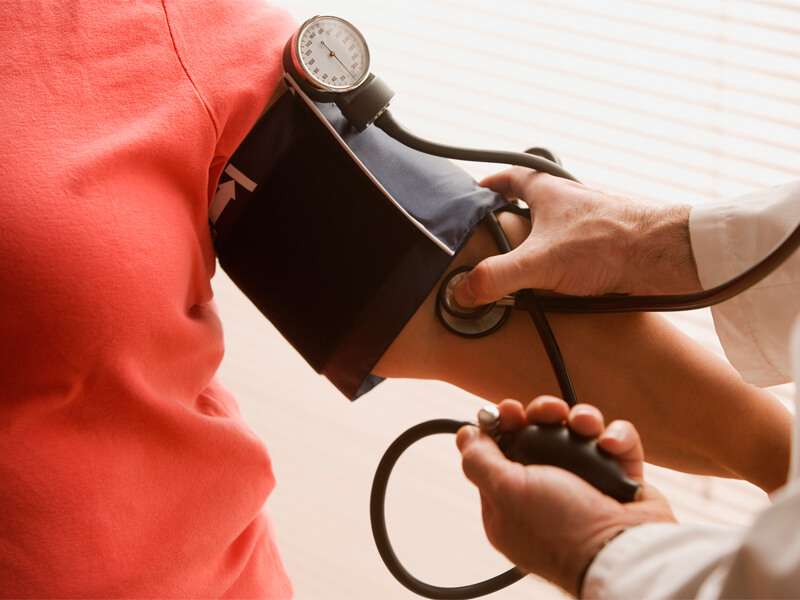
Asthma is a chronic respiratory condition that causes inflammation and narrowing of the airways. It can appear at any age and significantly impacts daily life if not managed effectively.
- Symptoms often include wheezing, coughing, chest tightness, and shortness of breath during physical activity or at night.
- A healthcare provider will diagnose asthma based on patient history and lung function tests such as spirometry.
- Treatment typically involves inhalers (both rescue inhalers for immediate relief and long-term control medications) along with avoiding known triggers like allergens or smoke.
- Regular assessments are important; patients should have an action plan outlining what to do during an asthma attack or when symptoms worsen.
With proper treatment and care strategies in place, individuals with asthma can lead active lives with minimal disruption from symptoms.
DIABETES MELLITUS

Diabetes Mellitus is a chronic condition characterized by high levels of sugar in the blood. It can affect individuals of all ages and requires careful management to prevent complications.
- Common symptoms include increased thirst, frequent urination, fatigue, and blurred vision.
- A diagnosis is made through blood tests that measure glucose levels, including fasting glucose or HbA1c tests.
- Treatment may involve a combination of dietary management, regular exercise, insulin therapy for Type 1 Diabetes, or oral medications for Type 2 Diabetes.
- Monitoring one's blood sugar levels is crucial for effective management; maintaining a glucose log can help in understanding how food and activity affect one's condition.
Early detection and management are key in preventing long-term complications associated with diabetes.
HYPERTENSION

Hypertension, commonly referred to as high blood pressure, is a condition that affects millions worldwide. It often develops over many years and can lead to serious health issues if left untreated.
- Symptoms may include headaches, shortness of breath, or nosebleeds, but many individuals remain asymptomatic.
- Diagnosis typically involves measuring blood pressure through regular check-ups and may include further tests like EKG or blood tests to assess heart health.
- Management options include lifestyle changes such as dietary adjustments, increased physical activity, and medication to help regulate blood pressure levels.
- Routine monitoring is essential; patients should regularly check their blood pressure and follow up with healthcare professionals as needed.
The importance of managing hypertension cannot be overstated, as it significantly reduces the risk of heart disease and stroke.