
Dr Neena Vijayva
About Me
Dr Neena Vijayva
MBBS
General Physician
Biography
My Clinic
OPD Hours
| Monday | Morning | 10:00 AM | - | 02:00 PM |
| Evening | 06:00 PM | - | 09:00 PM | |
| Tuesday | Morning | 10:00 AM | - | 02:00 PM |
| Evening | 06:00 PM | - | 09:00 PM | |
| Wednesday | Morning | 10:00 AM | - | 02:00 PM |
| Evening | 06:00 PM | - | 09:00 PM | |
| Thursday | Morning | 10:00 AM | - | 02:00 PM |
| Evening | 06:00 PM | - | 09:00 PM | |
| Friday | Morning | 10:00 AM | - | 02:00 PM |
| Evening | 06:00 PM | - | 09:00 PM | |
| Saturday | Morning | 10:00 AM | - | 02:00 PM |
| Evening | 06:00 PM | - | 09:00 PM | |
| Sunday | Morning | 10:00 AM | - | 02:00 PM |
| Evening | 06:00 PM | - | 09:00 PM |
Treatments
Specialised care and treatments offered
GASTROESOPHAGEAL REFLUX DISEASE (GERD)
This chronic digestive condition occurs when stomach acid flows back into the esophagus leading to symptoms such as heartburn. GERD can significantly impact one's quality of life if not properly managed through lifestyle adjustments or treatments provided by healthcare professionals
- Symptoms typically include persistent heartburn after meals particularly lying down coupled with difficulty swallowing food due inflammation developing over time within gastric tissues released excessively
- Diagnosis generally comprises physical examination combined sometimes requiring an upper endoscopy technique where doctors look inside their gastrointestinal tract utilizing specialized instruments
- Treatment approaches encompass dietary modifications alongside medication options designed either suppress acid production reducing potential damage preventing microbial overgrowth caused by it
Understanding GERD aids patients seeking relief while proactively preventing future occurrences ensuring healthier digestion habits!
ASTHMA

A chronic inflammatory disease affecting the airways in the lungs is asthma. It leads to repeated episodes of wheezing, breathlessness, chest tightness, and coughing during night or early morning hours. Understanding triggers is essential for effective control of this condition.
- The key symptoms include shortness of breath during activities or while resting—often linked to allergens or environmental factors like cold air or smoke exposure.
- A healthcare provider diagnoses asthma through patient history alongside lung function tests measuring airflow obstruction reversibility post bronchodilator use.
- Initial treatment might start with inhalers containing bronchodilators or anti-inflammatory medications tailored according to severity levels assessed by a healthcare professional.
With appropriate control measures put into place addressing individual triggers helps one manage asthma effectively!
HYPERLIPIDEMIA
Hyperlipidemia refers to elevated levels of lipids (fats) in the bloodstream, particularly cholesterol. This condition increases the risk of heart disease but often has no obvious symptoms until serious complications arise. Regular screening plays an important role in prevention.
- The main signs are usually absent; however, fatty deposits can develop under the skin in some cases if levels remain high over time.
- This condition is diagnosed through lipid panels that measure cholesterol levels in your blood during lab tests.
- Lifestyle modifications such as adopting a balanced diet low in saturated fats paired with exercise serve as primary management strategies; medications may also be prescribed if necessary.
The good news is that managing Hyperlipidemia can significantly lower cardiovascular risks!
ALLERGIC RHINITIS
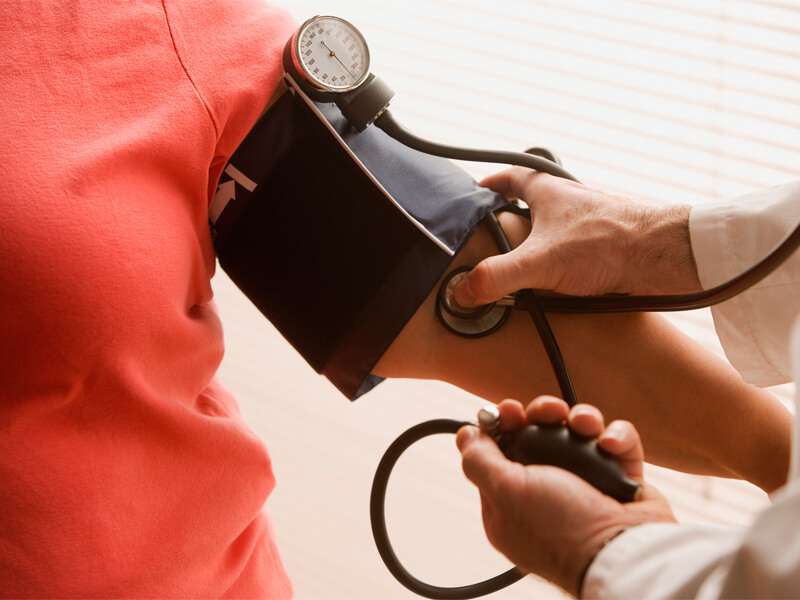
Allergic Rhinitis is an allergic reaction that causes sneezing, congestion, and a runny nose when exposed to allergens like pollen or dust mites. It's often called hay fever and can significantly affect daily life during certain seasons or year-round depending on exposure.
- Symptoms primarily include sneezing, itching in the nose or throat, nasal congestion, and watery eyes.
- This condition is diagnosed based on medical history and physical examination; sometimes skin testing or blood tests are conducted for confirming allergies.
- Treatment may involve avoiding known allergens as well as using antihistamines or nasal corticosteroids to reduce symptoms.
- An allergist's input might be beneficial for severe cases where immunotherapy could be considered.
Managing Allergic Rhinitis involves a multi-faceted approach to minimize discomfort effectively!
DIABETES MELLITUS
Diabetes Mellitus refers to a group of diseases that affect how your body uses blood sugar (glucose). This condition can lead to serious complications without proper management. Early detection and treatment are vital for maintaining health.
- The main types are Type 1 diabetes, often diagnosed in children and adolescents, and Type 2 diabetes, which typically develops in adults.
- Common symptoms include increased thirst, frequent urination, extreme fatigue, and blurred vision.
- Diagnosis usually involves blood tests measuring glucose levels after fasting or after consuming sugar.
- Treatment may involve lifestyle changes like diet and exercise along with medication or insulin therapy when necessary.
- A comprehensive approach including monitoring your glucose levels frequently helps in managing the condition effectively.
With diligent management, individuals with diabetes can lead active and fulfilling lives.
HYPERTENSION
Hypertension, commonly known as high blood pressure, is a condition where the force of the blood against artery walls is consistently too high. This can lead to serious health issues if left unmanaged. It often has no symptoms, making regular monitoring important.
- Symptoms may include headaches, dizziness, or nosebleeds, but many individuals experience none at all.
- It is typically diagnosed through routine blood pressure checks during health examinations.
- Treatment options range from lifestyle changes such as a healthier diet and exercise to medications that help lower blood pressure.
- Regular monitoring and follow-up appointments are crucial to ensure effective management.
- A healthy lifestyle can greatly improve outcomes; avoid stress and limit alcohol intake.
Effective management of hypertension is essential for reducing the risk of heart disease and stroke.