
Dr Neera Bhan  G

Dr Neera Bhan G

MBBS
Ophthalmologist
5 267 ratings

About Me

Dr Neera Bhan G

MBBS
Ophthalmologist
10 Years Experience

Biography

Dr. Neera Bhan G is a dedicated and experienced ophthalmologist with over 10 years of expertise in diagnosing and treating a wide range of eye conditions. With a strong commitment to providing compassionate and personalized care, Dr. Bhan ensures that each patient receives the attention and treatment they need to maintain and improve their vision in a comfortable and supportive environment. After completing his MBBS degree, Dr. Neera Bhan focused his career on ophthalmology, developing a deep understanding of eye health, diseases, and surgical techniques. His comprehensive knowledge and hands-on experience allow him to manage various eye problems such as cataracts, glaucoma, dry eyes, diabetic retinopathy, and refractive errors including nearsightedness, farsightedness, and astigmatism. Dr. Bhan stays updated with the latest advancements in eye care technology and treatment options to offer the best possible outcomes for his patients. Patients appreciate Dr. Bhan’s warm and approachable manner, which helps ease any anxiety that may come with eye examinations or procedures. He takes the time to explain diagnoses clearly, answer questions patiently, and discuss treatment choices in a way that is easy to understand. This patient-centered approach builds trust and ensures that everyone feels comfortable and confident in their care plan. Dr. Neera Bhan is skilled in performing various outpatient procedures and surgeries, including laser treatments and cataract removal, ensuring minimal discomfort and faster recovery times. He emphasizes preventive care and regular eye check-ups to detect issues early, preserving vision and enhancing quality of life. Whether it is a routine vision test, managing chronic eye conditions, or planning surgical intervention, Dr. Bhan is attentive to every detail and focuses on achieving the best possible results. Beyond his clinical expertise, Dr. Bhan is known for his dedication to patient education, encouraging lifestyle changes and habits that support long-term eye health. He guides patients on nutrition, screen use, and protection against environmental factors that may affect vision. Choosing Dr. Neera Bhan means selecting an ophthalmologist who combines technical skill with genuine care and understanding. His goal is to help every individual see the world clearly and comfortably while experiencing care that feels both professional and kind. If you are looking for a trustworthy eye specialist who listens and provides expert guidance, Dr. Neera Bhan G is an excellent partner in your eye health journey.

My Clinic

OPD Hours

Monday Morning 10:00 AM - 02:00 PM
Evening 06:00 PM - 09:00 PM
Tuesday Morning 10:00 AM - 02:00 PM
Evening 06:00 PM - 09:00 PM
Wednesday Morning 10:00 AM - 02:00 PM
Evening 06:00 PM - 09:00 PM
Thursday Morning 10:00 AM - 02:00 PM
Evening 06:00 PM - 09:00 PM
Friday Morning 10:00 AM - 02:00 PM
Evening 06:00 PM - 09:00 PM
Saturday Morning 10:00 AM - 02:00 PM
Evening 06:00 PM - 09:00 PM
Sunday Morning 10:00 AM - 02:00 PM
Evening 06:00 PM - 09:00 PM

Treatments

Specialised care and treatments offered

DIAGNOSTIC AND OPERATIVE LAPAROSCOPY

Diagnostic and Operative Laparoscopy

A minimally invasive surgical procedure in which a laparoscope (a thin tube with a camera and light) and specialized surgical instruments are inserted through small incisions in the abdomen. The abdomen is inflated with gas to provide a clear view of the pelvic organs, including the uterus, fallopian tubes, and ovaries. It is used to diagnose and treat conditions such as ovarian cysts, endometriosis, ectopic pregnancy, pelvic adhesions, fibroids, infertility issues, and tubal disorders.

MENSTRUAL DISORDERS MANAGEMENT
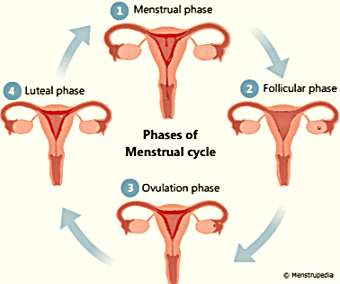
Menstrual Disorders Management


 Menstrual disorders are conditions that affect the timing, flow, or comfort of periods. 
 They can impact daily life, fertility, and overall health. Management is personalized and 
 may include lifestyle changes, medicines, and minimally invasive or surgical procedures.

Common Types


  • Irregular periods (Oligomenorrhea/Polymenorrhea): Cycles shorter than 21 days or longer than 35 days; may be linked to hormones, thyroid, stress, or PCOS.

  •  
  • Heavy menstrual bleeding (Menorrhagia): Flow lasting >7 days or soaking pads/tampons frequently; often due to fibroids, polyps, or hormonal imbalance.

  •  
  • Painful periods (Dysmenorrhea): Cramping/pelvic pain; may be primary (hormonal) or secondary (endometriosis, adenomyosis, fibroids).

  •  
  • Absence of periods (Amenorrhea): Primary (no periods by age 15–16) or secondary (stopped for 3+ months); causes include PCOS, thyroid issues, excessive exercise, or premature ovarian insufficiency.

Diagnosis


  • Detailed medical history and physical/pelvic examination

  •  
  • Blood tests (thyroid, FSH/LH, prolactin, testosterone; iron profile if heavy bleeding)

  •  
  • Pelvic ultrasound to assess fibroids, cysts, or polyps

  •  
  • Pap smear and/or endometrial biopsy when indicated

Treatment Options


  • Lifestyle: Stress management, balanced diet, regular exercise, weight optimization (especially for PCOS).

  •  
  • Medications: NSAIDs for cramps; iron supplements for anemia; hormonal therapy (combined pills, progesterone, LNG-IUS, GnRH analogues); thyroid/insulin-targeted therapy when needed.

  •  
  • Minimally invasive: Hysteroscopic polyp/fibroid removal, endometrial ablation for heavy bleeding, laparoscopy for endometriosis or cysts.

  •  
  • Surgery (case-dependent): Myomectomy (fibroid removal) or hysterectomy (when fertility is not desired and other treatments have failed).

Goals of Care


  • Normalize cycle pattern and flow

  •  
  • Relieve pain and improve quality of life

  •  
  • Treat underlying hormonal or structural causes

  •  
  • Protect fertility where desired and prevent complications like anemia

When to Seek Care


  • Very heavy bleeding, clots, or bleeding >7 days

  •  
  • Severe cramps not relieved by OTC pain relief

  •  
  • Cycles consistently irregular or absent

  •  
  • Intermenstrual or postcoital bleeding


 Note: Management is individualized after evaluation by a gynecologist. 
 Discuss your symptoms, family planning goals, and treatment preferences to choose the best option.


FAMILY PLANNING

Family Planning
Family planning is a comprehensive healthcare service that helps individuals and couples make informed choices about their reproductive health. It involves counseling, education, and provision of methods to prevent, delay, or achieve pregnancy according to the patient’s personal, medical, and social circumstances. Scope of Treatment Includes: Contraceptive Counseling – Education about available methods, safety, and effectiveness. Temporary Methods of Contraception: Oral contraceptive pills (OCPs) Injectable contraceptives Condoms (male/female) Contraceptive patches and vaginal rings Long-Acting Reversible Contraception (LARC): Intrauterine devices (IUDs/IUCDs) Hormonal implants Permanent Methods: Tubal ligation (female sterilization) Vasectomy (male sterilization, usually referred by Gynecologist/Urologist) Emergency Contraception – Pills and copper IUD for post-unprotected intercourse prevention. Preconception Counseling – For couples planning pregnancy, ensuring medical readiness. Management of Side Effects – Monitoring, follow-ups, and treatment of complications from contraceptive use. Counseling on Sexual and Reproductive Health – Includes safe practices, prevention of sexually transmitted infections (STIs), and fertility awareness. Benefits to Patients: Prevents unintended pregnancies. Promotes maternal and child health by spacing births. Empowers women to make informed decisions. Reduces maternal mortality and complications from unsafe abortions. Supports overall reproductive and sexual well-being.

PAEDIATRIC PAIN MEDICINE SPECIALIST

Paediatric Pain Medicine Specialist
A Paediatric Pain Medicine Specialist provides comprehensive care for children experiencing acute, chronic, or complex pain conditions. These specialists assess, diagnose, and treat pain caused by injury, surgery, illness, or developmental disorders. They employ a multidisciplinary approach, including medication management, physical therapy, psychological support, and advanced interventions like nerve blocks or neuromodulation. Education and support for families are integral, ensuring understanding and effective pain management strategies. Working closely with pediatricians, surgeons, and other healthcare providers, they aim to improve the child’s quality of life, enhance functional abilities, and reduce the emotional and physical impact of pain.

INTERVENTIONAL PAIN MANAGEMENT

Interventional Pain Management
Interventional pain management provides targeted treatments to alleviate chronic or acute pain, improve function, and enhance the quality of life. It employs minimally invasive techniques tailored to each patient’s specific condition. Key services include: Epidural Steroid Injections: Relieve inflammation and pain caused by herniated discs, spinal stenosis, or sciatica. Nerve Blocks: Target specific nerves to reduce pain and inflammation in areas like the neck, back, or limbs. Radiofrequency Ablation (RFA): Uses heat to disrupt nerve signals responsible for chronic pain. Spinal Cord Stimulation: Implants a device to modify pain signals before they reach the brain. Joint Injections: Treat pain in knees, hips, shoulders, and other joints. Trigger Point Injections: Alleviate pain in muscle knots or spasms.

SPINAL PAIN MANAGEMENT

Spinal Pain Management
Spinal pain management focuses on diagnosing and treating conditions that cause back, neck, and spinal pain. These services typically include a comprehensive evaluation to identify the source of pain, followed by tailored treatments to improve function and quality of life. Common interventions include physical therapy to strengthen muscles and improve mobility, medication management for pain relief, and minimally invasive procedures such as epidural steroid injections, nerve blocks, and radiofrequency ablation to target pain at its source. Advanced treatments like spinal cord stimulation and regenerative therapies, including platelet-rich plasma (PRP) and stem cell therapy, are also offered in some cases. Patient education on ergonomics, posture, and lifestyle modifications is integral to long-term pain management. With a multidisciplinary approach, spinal pain management services aim to reduce pain, restore mobility, and help patients regain their daily routines.

HYPNOTICS

Hypnotics

used to induce and maintain sleep.

ANTIPSYCHOTIC MEDICATIONS

Antipsychotic medications

used to treat psychotic symptoms (delusions and hallucinations), schizophrenia, bipolar disorder.

ANTIDEPRESSANTS

Antidepressants

used to treat depression, panic disorder, PTSD, anxiety, obsessive-compulsive disorder, borderline personality disorder and eating disorders.

KERATOCONUS

KERATOCONUS
The early detection of keratoconus is important to arrest the progression of keratoconus and corneal irregularities. In early stages, keratoconus can be diagnosed after a detailed eye examination, which includes Retinoscopy, Slitlamp examination and tests like Topography, pentacam to check the curvature of cornea and Pachymetry to determine corneal thickness. In advance stages keratoconus, is easily diagnosed on slit lamp and topography. In advanced stages, corrective prescription glasses do not help the patient to see clearly and they have to switch to using hard or semi soft contact lenses. A proper contact lens fit is crucial to obtain adequate vision and wearing comfort. Poorly fit or outdated contact lenses can be uncomfortable and lead to additional complications like corneal abrasions, scarring or infection.

CATARACT

CATARACT
The lens of the eye is located immediately behind the iris and is responsible for 33% of the eyes focusing power. At birth it is like jelly, but unfortunately with age it gradually hardens and loses its ability to change shape. Evidence of this hardening normally starts to affect us in our mid-forties when many require reading glasses for close work. This is called Presbyopia. The lens is made mostly of water and protein. Specific proteins within the lens are responsible for maintaining its clarity. Over many years, the structures of these lens proteins are altered, ultimately leading to a gradual clouding of the lens. Rarely, cataract can present at birth or in early childhood as a result of hereditary enzyme defects, and severe trauma to the eye, eye surgery, or intraocular inflammation can also cause cataract to occur earlier in life. With further increase in age, the lens continues to harden and starts to become more compact and cloudy, reducing initially quality of vision and later obstructing vision and interfering with day to day activities. A cloudy of opaque lens is called a cataract and unfortunately is inevitable.

CORNEA

CORNEA
The cornea, the transparent front “window of the eye”, is responsible for about two thirds of the focusing power of the eye. The cornea’s refractive power is actually greater than that of the eye’s lens. The cornea receives its nutrients through the tear film. A normal, healthy cornea should be transparent, thus devoid of blood vessels and opacities. Corneal tissue can become damaged through disease or trauma. This damage can cause scar tissue and opacities in the normally-clear cornea, resulting in a reduction in visual acuity. If the cornea develops visually significant opacities or irregularities, a corneal transplant, or DSAEK procedure can be performed.

LASIK / REFRACTIVE SURGERIES

LASIK / REFRACTIVE SURGERIES
Hypermetropia is a defect of vision that causes the impossibility for rays of light to be focused on the retina, but behind it. The main cause for this defect is the insufficiente eye lenght. A lot of people suffer from hypermetropia without even knowing it, because the eye automatically compensate this defect. The continuous effort to try to see clean images, can cause migraines that are rarely linked to eye’s problems. Hypermetropia gets noticed only when the eye cannot compensate any longer: vision becomes definitely blurred and people finally book an appointment to be checked out.

ABORTION

ABORTION
Couples With Infertility Are Counseled For Both Medical And Surgical Causes Of Infertility. Our Clinic Is Equipped With The Latest Technology For Infertility Treatment And Have Well Qualified Team. We Understand The Emotional And Psychological Concerns You May Have While Seeking The Infertility Treatment. Our Professionally Qualified And Experienced Consultants Will Guide You At Every Stage Of The Exciting Journey Towards Parenthood. Medical AbortionSurgical AbortionSuction AspirationDilation And Evacuation (D&)

LAPAROSCOPY

LAPAROSCOPY
Laparoscopy Is The Most Prevalent Procedure For Diagnosis And Treatment Of Mild To Moderate Cases Of Endometriosis. In Laparoscopy A Small & Lighted Instrument Known As The Laparoscope Is Used. Hysterectomy Is The Surgical Removal Of The Uterus. It May Also Involve Removal Of The Cervix, Ovaries, Fallopian Tubes And Other Surrounding Structures. Our Clinic Has Achieved Eminence In This Industry Because Of Our Clients' Belief And Trust.

MATERNITY

MATERNITY
MATERNITY Gensis Clinic Being One Of The Best Maternity Clinic. Having A Healthy Pregnancy Is One Of The Best Ways To Promote A Healthy Birth. A Preconception Care Visit Can Help Women Take Steps For Healthy Pregnancy Before They Get Pregnant. Getting Regular Prenatal Care Improves The Chances Of A Healthy Pregnancy. We Provide Best Maternity Care For Healthy And Safe Pregnancy.

GYNAECOLOGY

GYNAECOLOGY
GYNAECOLOGY Our Clinic Offers Best Gynaecology Services And Comprehensive Medical & Surgical Care To Women With Diseases Related To The Reproductive System. Our Team Of Qualified And Experienced Professionals & Gynaecologists Serves The Patients With The Specialized Medical Assistance. We Have Programme For The Prevention And Early Detection Of Disorders. Our Checkup Is Designed To Detect The Earliest Signs Of Disorders Of The Breast And The Organs Of Reproduction, And Care To Your Contraceptive Needs. Menopause ClinicAdolescent ClinicCervical Cancer ScreeningImmunisation

FAQs

What if my query is not listed here?
If you have any more queries that aren't listed, you can email us or call us.
Why is it best to consult a specialist?
A specialist doctor is trained to treat complex health conditions in their particular field. If you are diagnosed with a condition, it is best to consult a doctor who specializes in dealing with that particular condition.
Why should I consult Dr Neera Bhan G?
Dr Neera Bhan G is a specialist in Ophthalmologist and having more than 10 years of experience.
What if my query is not listed here?
If you have any more queries that aren't listed, you can email us.
Why is it best to consult a specialist?
A specialist doctor is trained to treat complex health conditions in their particular field. If you are diagnosed with a condition, it is best to consult a doctor who specializes in dealing with that particular condition.
How can I book an appointment?
You can click on the book appointment link.
Do I need to bring anything at my first appointment?
You may bring the following documents, if available: ID Proof Prior medication list Any prior diagnosis documentation X-RAY reports






