
Dr Neeraj Agarwa
About Me
Dr Neeraj Agarwa
MBBS
General Physician
10 Years Experience
Biography
My Clinic
OPD Hours
| Monday | Morning | 10:00 AM | - | 02:00 PM |
| Evening | 06:00 PM | - | 09:00 PM | |
| Tuesday | Morning | 10:00 AM | - | 02:00 PM |
| Evening | 06:00 PM | - | 09:00 PM | |
| Wednesday | Morning | 10:00 AM | - | 02:00 PM |
| Evening | 06:00 PM | - | 09:00 PM | |
| Thursday | Morning | 10:00 AM | - | 02:00 PM |
| Evening | 06:00 PM | - | 09:00 PM | |
| Friday | Morning | 10:00 AM | - | 02:00 PM |
| Evening | 06:00 PM | - | 09:00 PM | |
| Saturday | Morning | 10:00 AM | - | 02:00 PM |
| Evening | 06:00 PM | - | 09:00 PM | |
| Sunday | Morning | 10:00 AM | - | 02:00 PM |
| Evening | 06:00 PM | - | 09:00 PM |
Treatments
Specialised care and treatments offered
RESPIRATORY HEALTH ASSESSMENT
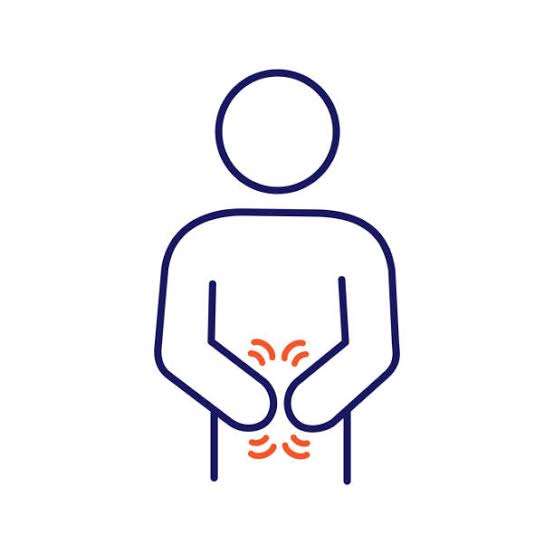
A respiratory health assessment evaluates lung function and identifies potential issues related to breathing disorders. This evaluation provides valuable insight into respiratory wellness that guides patients toward healthier lifestyles.
Respiratory problems often present themselves through persistent coughs wheezing fatigue poor exercise tolerance - timely assessment could reveal underlying conditions.< / Li < Li < Strong Risk factors include tobacco use exposure environmental pollutants allergens genetic predisposition leading chronic obstructive pulmonary disease (COPD) asthma etc.< / Li < LiPREVENTIVE VACCINATIONS

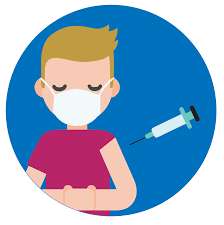
The importance of preventive vaccinations cannot be overstated; they play an essential role in public health by protecting individuals from various infectious diseases. Staying updated on vaccines ensures both personal safety and community well-being.
- Vaccines Available: Common vaccines include flu shots, tetanus boosters and pneumococcal vaccines, which protect against prevalent illnesses.
- Timing Matters: Some vaccinations require specific schedules based on age groups—it's vital to adhere closely for maximum effectiveness.
- Consultation Required: During routine visits , physicians assess vaccination history/ ensure patients receive suggested immunizations according both national guidelines & unique circumstances such as travel plans!
Your commitment towards staying vaccinated contributes not only towards personal immunity but supports herd immunity within communities reducing outbreaks significantly!
CHOLESTEROL MANAGEMENT
The management of cholesterol levels is critical for reducing the risk of cardiovascular disease. Monitoring your cholesterol helps you understand your heart health better and make informed decisions regarding your lifestyle choices.
- Semi-Annual Checkups: Regular testing is recommended to keep track of both LDL (bad) cholesterol and HDL (good) cholesterol levels over time.
- Symptoms: High cholesterol generally does not present significant symptoms but can contribute to conditions like heart disease which manifest with chest pain or discomfort.
- Causes: Diet rich in saturated fats, lack of physical activity, smoking habits and genetic factorsplay key roles in elevated cholesterol levels.
- Management Options: Lifestyle modifications such as improved diet low in trans fats combined with increased physical activity often serve as the first step; medications can help when necessary.
- Monitoring Progress: Regular follow-up appointments will aid in tracking improvements made towards achieving optimal cholesterol levels which benefit overall health.
Keeping tabs on your cholesterol is an effective way to take charge of your heart health—small changes today lead to significant benefits tomorrow!
ANNUAL HEALTH CHECK-UP
An annual health check-up is critical for monitoring overall well-being. These regular assessments help detect potential health issues before they become serious problems.
- Importance: Regular assessments allow for early identification of conditions such as hypertension or diabetes that may show no symptoms initially.
- Screens Performed: Common screenings include blood tests (cholesterol levels), blood pressure checks, BMI calculations, and general physical examinations.
- Disease Prevention: Vaccinations are typically reviewed to maintain immunity against various diseases during these visits.
- Counseling Opportunities: These appointments provide opportunities for discussing lifestyle changes based on risk assessments tailored to individual patient needs.
DIABETES SCREENING

Diabetes screening is an essential process for early detection of this chronic condition. Early diagnosis allows for timely intervention that can prevent serious complications down the line.
- Symptoms: Increased thirst, frequent urination, extreme fatigue, blurred vision, and slow-healing sores may indicate diabetes.
- Causes: This condition can stem from genetic factors, obesity, inactivity, and insulin resistance.
- Diagnosis: Tests like fasting blood glucose levels or HbA1c can confirm diabetes status during routine check-ups.
- Treatment Options: Management may involve dietary changes, physical activity enhancements, and medication or insulin therapy depending on individual needs.
- What to Expect: Engaging in healthy habits post-diagnosis greatly improves quality of life and reduces long-term complications associated with uncontrolled diabetes.
A proactive approach in screening for diabetes plays a vital role in maintaining health and preventing further complications from developing over time.
HYPERTENSION MANAGEMENT
Hypertension, or high blood pressure, is a common condition that can lead to serious health issues if left untreated. Understanding this condition is crucial for effective management and prevention of complications.
- Symptoms: Often called the 'silent killer', hypertension may not exhibit obvious symptoms, but headaches, shortness of breath, and nosebleeds can occur in severe cases.
- Causes: Factors include genetic predisposition, obesity, sedentary lifestyle, excessive salt intake, and chronic stress.
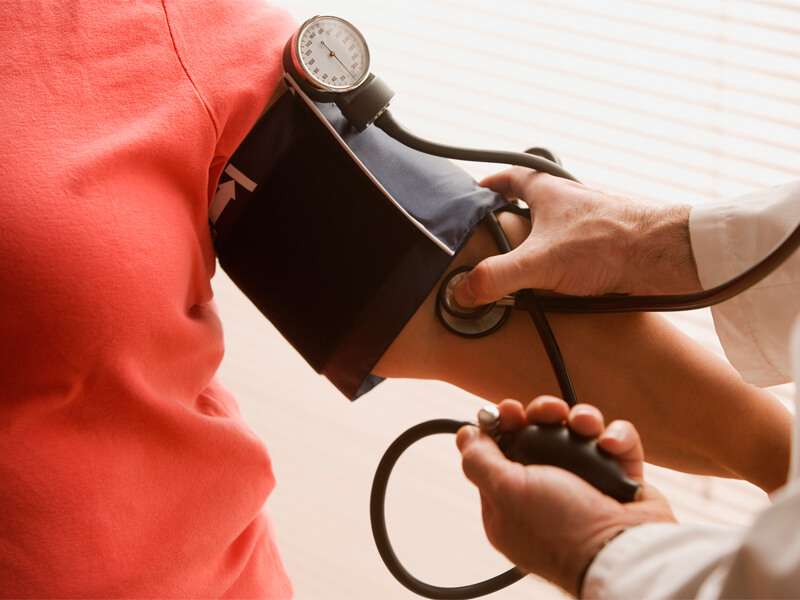
- Diagnosis: Blood pressure readings are taken using a sphygmomanometer; additional tests may be performed to assess heart and kidney function.
- Treatment Options: Lifestyle changes such as diet modification and exercise are first-line approaches; medication may also be prescribed depending on severity.
- What to Expect: Regular monitoring of blood pressure is essential; adherence to treatment plans can significantly reduce health risks associated with hypertension.
By actively managing your blood pressure through lifestyle adjustments and medication if necessary, you can live a healthier life while minimizing the risk of cardiovascular disease.