
Dr Neeraj Bijlani
About Me
Dr Neeraj Bijlani
General Physician
Biography
My Clinic
OPD Hours
| Tuesday | Morning | 10:00 AM | - | 02:00 PM |
| Evening | 06:00 PM | - | 09:00 PM | |
| Wednesday | Morning | 10:00 AM | - | 02:00 PM |
| Evening | 06:00 PM | - | 09:00 PM | |
| Thursday | Morning | 10:00 AM | - | 02:00 PM |
| Evening | 06:00 PM | - | 09:00 PM | |
| Friday | Morning | 10:00 AM | - | 02:00 PM |
| Evening | 06:00 PM | - | 09:00 PM | |
| Saturday | Morning | 10:00 AM | - | 02:00 PM |
| Evening | 06:00 PM | - | 09:00 PM | |
| Sunday | Morning | 10:00 AM | - | 02:00 PM |
| Evening | 06:00 PM | - | 09:00 PM | |
| Thursday | Morning | 10:00 AM | - | 02:00 PM |
| Evening | 06:00 PM | - | 09:00 PM |
Treatments
Specialised care and treatments offered
ANEMIA MANAGEMENT
Anemia refers to a reduction in red blood cells or hemoglobin which impairs oxygen delivery throughout the body. This condition affects various age groups causing fatigue and weakness among other effects on health status if untreated over time..
- Symptoms: Fatigue , pallor , shortness of breath during exertion .
- Causes: Nutritional deficiencies (like iron or vitamin B12), chronic diseases (such as kidney failure), genetic conditions (sickle cell anemia).
- Diagnosis: Blood tests assessing hemoglobin levels ; peripheral smears might provide insights into possible causes .
- Treatment/Management: Depending on cause—dietary changes , supplementation with iron/vitamins considering medication interventions accordingly . Regular follow-ups play essential roles here too!
The key lies in identifying underlying causes enabling tailored interventions which ultimately restore optimal health for those affected whilst preventing future complications!
ACID REFLUX (GERD)

A common digestive disorder known as gastroesophageal reflux disease (GERD) arises when stomach acid frequently flows back into the esophagus. This backwash irritates the lining of the esophagus leading to discomfort over time if untreated.
- Symptoms: Frequent heartburn episodes , regurgitation , chest pain , difficulty swallowing .
- Causes: Lifestyle factors such as obesity , pregnancy , dietary choices , smoking .
- Diagnosis: Based on symptom history ; additional tests like endoscopy evaluate esophagus damage .
- Treatment options: Lifestyle changes paired with antacids or prescription medications could offer relief ; surgery may be considered in severe cases .
With consistent care , symptoms can be alleviated significantly allowing patients to enjoy daily activities free from discomfort .
CHOLESTEROL MANAGEMENT

Elevated cholesterol levels are a significant risk factor for heart disease. Monitoring cholesterol is essential for maintaining cardiovascular health as it plays a role in plaque formation within arteries.
- Symptoms: High cholesterol usually does not exhibit symptoms but can lead to severe cardiovascular problems over time without warning signs.
- Causes: Factors contributing include poor diet high in saturated fats, lack of exercise, smoking habits, and genetic predispositions (familial hypercholesterolemia).
- Diagnosis: Cholesterol levels are assessed through a simple blood test known as lipid panel testing that measures total cholesterol as well as HDL and LDL levels.
- Treatment/Management options: Dietary adjustments focusing on healthy fats alongside regular physical activity are first-line approaches; statins may be prescribed if necessary based on individual risk assessments.
A proactive approach to managing cholesterol helps reduce the risks associated with heart diseases significantly while promoting overall wellness.
RESPIRATORY INFECTIONS
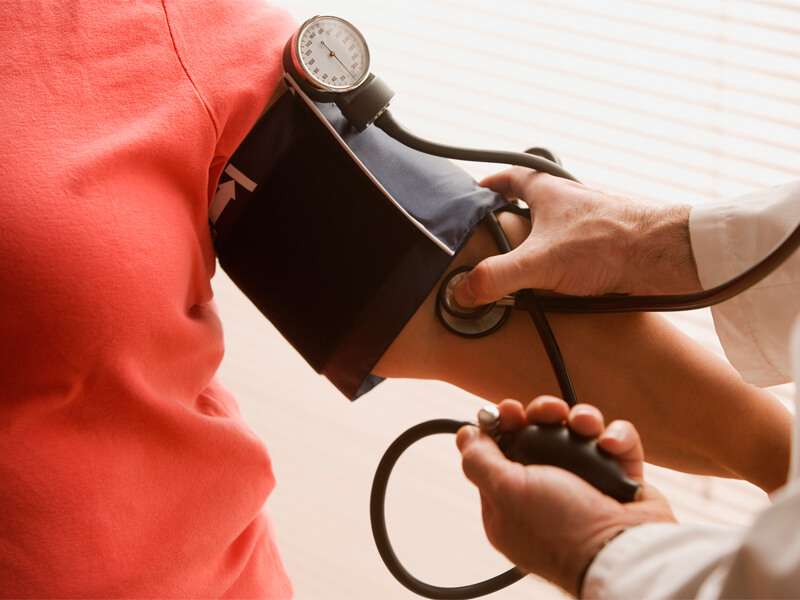
Respiratory infections encompass a range of illnesses affecting the airways and lungs. They can be caused by viruses or bacteria and vary in severity from mild colds to pneumonia.
- Symptoms: Patients may present with a cough, fever, sore throat, and difficulty breathing depending on the infection's severity.
- Causes: Common causes include viral infections like influenza or bacterial infections such as streptococcus pneumoniae.
- Diagnosis: A thorough medical history along with physical examination; imaging tests like X-rays may be used for severe cases.
- Treatment options: Mild infections might only require symptomatic treatment; more severe cases often need antibiotics or antiviral medications combined with rest and hydration.
A timely diagnosis ensures appropriate treatment pathways that enhance recovery outcomes for respiratory infections.
DIABETES MELLITUS

Diabetes mellitus is a metabolic disorder characterized by high levels of glucose in the blood due to inadequate insulin production or resistance to insulin. This condition affects millions globally and requires lifelong management.
- Symptoms: Common signs include increased thirst, frequent urination, extreme fatigue, and blurred vision.
- Causes: Type 1 diabetes is often autoimmune in nature, while Type 2 is linked to lifestyle factors such as poor diet and inactivity.
- Diagnosis: Blood tests are used to measure glucose levels; an HbA1c test provides an overview of blood sugar control over months.
- Treatment/Management: Management includes dietary modifications, regular exercise, monitoring blood sugar levels, and insulin or oral medications when necessary.
Catching diabetes early allows for effective management strategies that help maintain quality of life and prevent complications.
HYPERTENSION
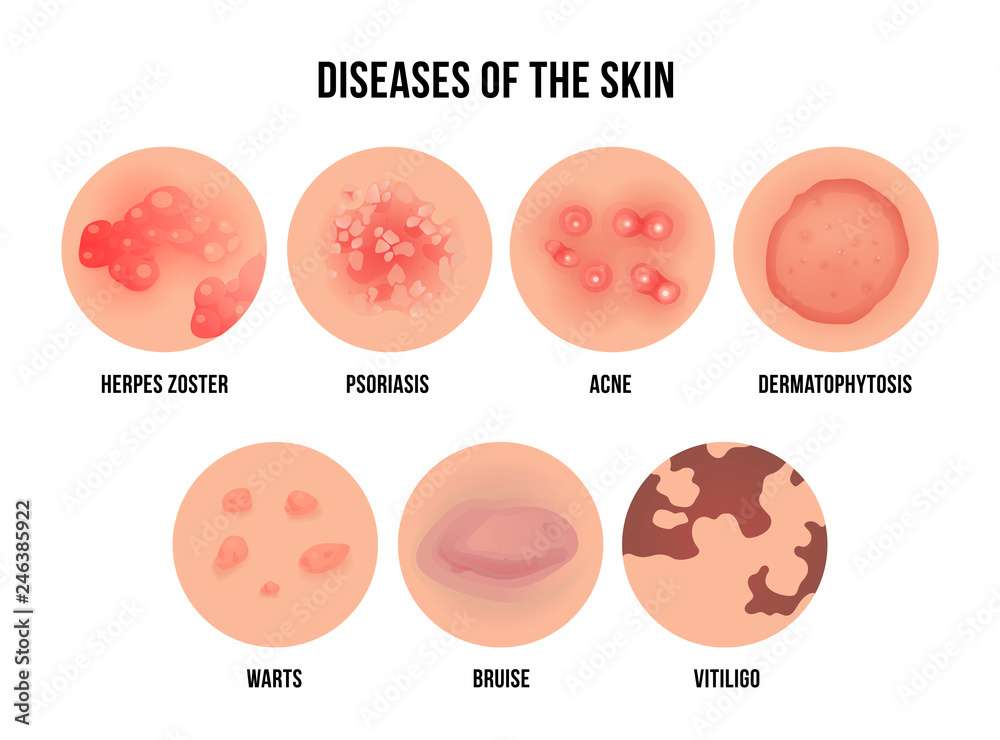
Hypertension, often referred to as high blood pressure, is a common condition that can lead to serious health issues if left untreated. It occurs when the force of blood against the artery walls is too high, which can damage blood vessels and organs over time.
- Symptoms: Many individuals may experience no symptoms; however, severe cases can lead to headaches, shortness of breath, or nosebleeds.
- Causes: Factors include genetics, obesity, lack of physical activity, excessive salt intake, and age.
- Diagnosis: Blood pressure readings are taken using a sphygmomanometer; repeated measurements are necessary for confirmation.
- Treatment options: Lifestyle modifications such as diet and exercise are recommended. Medications like diuretics or ACE inhibitors may also be prescribed.
- Management: Regular monitoring and follow-up appointments are crucial to manage this condition effectively.
With proper management and lifestyle changes, individuals with hypertension can lead healthy lives while reducing their risk of complications.