
Dr Neeraj Chatur
About Me
Dr Neeraj Chatur
MD
Cardiologist
10 Years Experience
Biography
My Clinic
OPD Hours
| Monday | Morning | 10:00 AM | - | 02:00 PM |
| Evening | 06:00 PM | - | 09:00 PM | |
| Tuesday | Morning | 10:00 AM | - | 02:00 PM |
| Evening | 06:00 PM | - | 09:00 PM | |
| Wednesday | Morning | 10:00 AM | - | 02:00 PM |
| Evening | 06:00 PM | - | 09:00 PM | |
| Thursday | Morning | 10:00 AM | - | 02:00 PM |
| Evening | 06:00 PM | - | 09:00 PM | |
| Friday | Morning | 10:00 AM | - | 02:00 PM |
| Evening | 06:00 PM | - | 09:00 PM | |
| Saturday | Morning | 10:00 AM | - | 02:00 PM |
| Evening | 06:00 PM | - | 09:00 PM | |
| Sunday | Morning | 10:00 AM | - | 02:00 PM |
| Evening | 06:00 PM | - | 09:00 PM |
Treatments
Specialised care and treatments offered
PEDIATRIC KAWASAKI DISEASE CARE

Kawasaki disease is an uncommon but serious inflammatory illness affecting young children’s blood vessels which if untreated can lead to lasting cardiac complications. Prompt recognition ensures effective treatment to reduce these risks considerably.
- The condition usually presents after several days of fever accompanied by rash,Mucous membrane inflammation, swollen glands;
- A combination of clinical findings supported by laboratory tests assists in making a rapid diagnosis;
- The main treatment involves intravenous immunoglobulin administration alongside aspirin therapy reducing arterial inflammation;
- If managed early correctly through ongoing cardiology reviews risk of coronary artery aneurysms declines significantly;
Pediatric Kawasaki disease awareness coupled with timely specialist intervention plays a critical role in securing children’s cardiovascular health long term.
HEART FAILURE MANAGEMENT
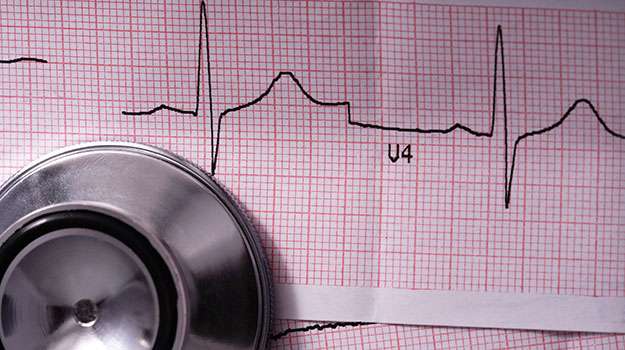
The condition known as heart failure occurs when the heart cannot pump sufficiently to meet the body's needs. Although chronic in nature, many therapeutic options exist that improve symptoms and prolong life expectancy significantly.
- This includes experiencing bothersome symptoms, such as breathlessness on exertion or swelling due to fluid retention;
- A detailed evaluation using echocardiography measures ejection fraction aiding accurate diagnosis;
- Treatment consists primarily of lifestyle adjustments plus medicines like ACE inhibitors or diuretics tailored by severity;
- Lifelong care involves consistent monitoring for signs of worsening condition requiring timely intervention;
This multidisciplinary approach provides hope for patients living with this complex disorder by enhancing daily function and overall well-being substantially.
ARRHYTHMIA EVALUATION AND TREATMENT
An arrhythmia refers to an irregular heartbeat which can manifest as too fast, too slow, or erratic rhythms. Proper identification is important since some arrhythmias require urgent treatment while others need regular observation.
- Causative factors & signs: Palpitations, dizziness, fatigue; caused by electrolyte imbalances, heart tissue damage or other systemic conditions.
- Please note diagnostics utilized: ECG monitoring including Holter monitors helps capture abnormal rhythm episodes for precise diagnosis.
- Treatment modalities available:No intervention needed for benign arrhythmias; serious cases may involve anti-arrhythmic drugs or procedures like ablation or device implantation (pacemaker).
A tailored strategy based on arrhythmia type offers optimal results while ensuring patient safety through vigilant follow-up assessments.
CORONARY ARTERY DISEASE (CAD) CARE
A condition caused by narrowing or blockage of coronary arteries due to plaque buildup, coronary artery disease limits blood supply to the heart muscle causing chest pain or heart attacks. Effective treatment improves quality of life and reduces complications.
- Main symptoms & causes: Chest discomfort (angina), shortness of breath; risk factors include smoking, high cholesterol, diabetes, and sedentary lifestyle.
- How it’s diagnosed: Stress tests, angiography, ECGs help assess artery status and guide treatment plans.
- Treatment approach: Lifestyle modification along with medications such as statins or beta-blockers; in some cases angioplasty or bypass surgery may be recommended.
- Expectations during care: Ongoing monitoring is necessary for symptom control and preventing progression of disease.
A comprehensive plan combining medical therapy and lifestyle adjustments plays an essential role in managing coronary artery disease effectively.
CONGENITAL HEART DEFECTS IN CHILDREN
Congenital heart defects (CHDs) are structural abnormalities in the heart present from birth. Early detection and intervention play crucial roles in managing these conditions to ensure better growth and development.
- Symptoms: Signs may include cyanosis (bluish skin), breathing difficulties, fatigue, or poor growth in infants.
- Diagnostic methods: Echocardiograms, electrocardiograms (ECG), chest X-rays, and sometimes cardiac MRI help identify specific defects.
- Treatment strategies: Depending on severity, options range from medication management to surgical repair or catheter-based interventions.
- Long-term outlook: Regular cardiological evaluations are necessary to monitor heart function as the child grows.
Early diagnosis combined with expert care ensures that many children with CHDs lead active lives with minimal limitations.
HYPERTENSION MANAGEMENT
High blood pressure, or hypertension, is a common cardiovascular condition that can increase the risk of heart disease and stroke if left untreated. Managing this condition effectively can significantly improve long-term health outcomes.
- Symptoms and causes: Often called a 'silent killer,' hypertension may present no symptoms but is influenced by factors such as genetics, diet, stress, and lifestyle.
- Diagnosis: Regular blood pressure measurements and monitoring over time help confirm persistent elevation above normal levels.
- Treatment options: Lifestyle changes like diet and exercise combined with medications, including diuretics or ACE inhibitors, are common approaches.
- What to expect during management: Continuous follow-up and adherence to therapy are essential to keep blood pressure under control and prevent complications.
With proper care and commitment, individuals with high blood pressure can maintain healthy heart function and reduce associated risks significantly.