
Dr Neeraj Kumar
About Me
Dr Neeraj Kumar
MD
Cardiologist
10 Years Experience
Biography
My Clinic
OPD Hours
| Monday | Morning | 10:00 AM | - | 02:00 PM |
| Evening | 06:00 PM | - | 09:00 PM | |
| Tuesday | Morning | 10:00 AM | - | 02:00 PM |
| Evening | 06:00 PM | - | 09:00 PM | |
| Wednesday | Morning | 10:00 AM | - | 02:00 PM |
| Evening | 06:00 PM | - | 09:00 PM | |
| Thursday | Morning | 10:00 AM | - | 02:00 PM |
| Evening | 06:00 PM | - | 09:00 PM | |
| Friday | Morning | 10:00 AM | - | 02:00 PM |
| Evening | 06:00 PM | - | 09:00 PM | |
| Saturday | Morning | 10:00 AM | - | 02:00 PM |
| Evening | 06:00 PM | - | 09:00 PM | |
| Sunday | Morning | 10:00 AM | - | 02:00 PM |
| Evening | 06:00 PM | - | 09:00 PM |
Treatments
Specialised care and treatments offered
LIPIDS PROFILE TESTING

Lipid profile testing measures different types of cholesterol and triglycerides in the bloodstream. This screening plays an important role in assessing cardiovascular risk factors over time.
.- .
- High cholesterol levels often go undetected without routine screenings; symptoms usually appear only after significant blockages develop.
- The results categorize cholesterol into LDL (bad) and HDL (good) components along with total cholesterol levels.
- Based on results, lifestyle modifications such as dietary changes or medications may be recommended to help manage lipid levels effectively.
- Regular testing intervals should align with individual risk factors including age, family history, obesity status among other determinants.
Monitoring your lipid levels aids in proactively mitigating future cardiovascular complications through timely intervention strategies
ELECTROPHYSIOLOGY STUDY (EPS)
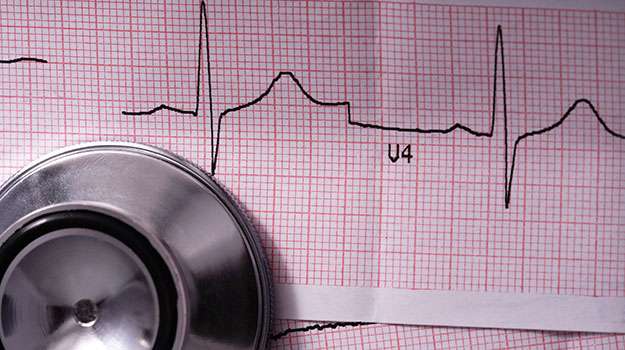
An electrophysiology study (EPS) investigates electrical signals in the heart that control heartbeat. It's instrumental in diagnosing complex arrhythmias when noninvasive tests yield insufficient information.
- This study identifies abnormal electrical pathways that may lead to symptoms like repeated palpitations and syncope (fainting).
- Catheters are inserted through blood vessels to map electrical activity; it's performed in a specialized lab under sedation for comfort.
- If abnormalities are found during EPS, targeted therapies can be applied immediately including ablation techniques aimed at restoring normal rhythm patterns.
.An EPS provides crucial insights into arrhythmia mechanisms and assists in personalizing treatment plans for optimal outcomes.
CARDIAC CT ANGIOGRAPHY
This advanced imaging technique utilizes computed tomography to visualize coronary arteries without requiring invasive catheterization. Cardiac CT angiography can detect blockages or malformations early on.
- This imaging method is highly effective for patients with chest pain, especially if traditional tests are inconclusive.
- The procedure involves injecting contrast dye into a vein to enhance image clarity during scanning sessions lasting only minutes.
- Results from this test allow doctors to plan appropriate treatment strategies such as stenting or lifestyle changes if blockages are found.'
CARDIAC CT ANGIOGRAPHY IS A FAST AND NON-INVASIVE WAY TO ASSESS HEART HEALTH AND CAN BE CRUCIAL FOR TIMELY INTERVENTION IF NEEDED.
STRESS TEST
A stress test evaluates how well your heart performs under physical stress. It often involves walking on a treadmill while monitoring vital signs and ECG changes.
- Common indications for this test include symptoms like exertional fatigue, chest pain during activity, or assessment of exercise tolerance post-heart surgery.
- The procedure assesses how effectively your heart handles increased workload and identifies potential ischemic conditions.
- Your physician might recommend lifestyle adjustments or medications based on the results to improve cardiovascular health.
- No special preparation is usually required; however, inform your doctor about any medications you're taking before the test.
The stress test plays a pivotal role in diagnosing underlying heart conditions and planning appropriate interventions to enhance cardiac health.
HOLTER MONITOR
A Holter monitor is a portable device worn to continuously record the heart's rhythms over 24-48 hours. It helps diagnose arrhythmias and other electrical issues of the heart.
- This test is particularly useful for individuals experiencing palpitations, dizziness, or unexplained fainting spells.
- During the monitoring period, any abnormal heart rates can be detected and later reviewed by a cardiologist.
- The data collected will guide potential treatments such as medications or procedures to restore normal rhythm.
- Patients can maintain their daily routine while wearing the device, ensuring a comprehensive view of their heart activity.
A Holter monitor offers valuable insights into your heart’s performance during regular activities and helps in tailoring specific care for each patient.
ECHOCARDIOGRAM
An echocardiogram is a non-invasive ultrasound test that provides detailed images of the heart's structure and function. It is crucial for diagnosing various heart conditions.
- Symptoms prompting an echocardiogram may include chest pain, shortness of breath, or irregular heartbeats.
- Diagnosis is made by evaluating the echocardiographic images, which reveal issues like valve problems or cardiomyopathy.
- Treatment options depend on findings; they may include medication, lifestyle changes, or surgery.
- The procedure is safe, painless and typically takes about 30-60 minutes.
- Post-procedure, normal activities can usually be resumed immediately.
This test is essential in guiding effective treatment plans by painting a comprehensive picture of cardiac health.