
Dr Neeru Gupta
About Me
Dr Neeru Gupta
DO
Ophthalmologist
10 Years Experience
Biography
My Clinic
OPD Hours
| Monday | Morning | 10:00 AM | - | 02:00 PM |
| Evening | 06:00 PM | - | 09:00 PM | |
| Tuesday | Morning | 10:00 AM | - | 02:00 PM |
| Evening | 06:00 PM | - | 09:00 PM | |
| Wednesday | Morning | 10:00 AM | - | 02:00 PM |
| Evening | 06:00 PM | - | 09:00 PM | |
| Thursday | Morning | 10:00 AM | - | 02:00 PM |
| Evening | 06:00 PM | - | 09:00 PM | |
| Friday | Morning | 10:00 AM | - | 02:00 PM |
| Evening | 06:00 PM | - | 09:00 PM | |
| Saturday | Morning | 10:00 AM | - | 02:00 PM |
| Evening | 06:00 PM | - | 09:00 PM | |
| Sunday | Morning | 10:00 AM | - | 02:00 PM |
| Evening | 06:00 PM | - | 09:00 PM |
Treatments
Specialised care and treatments offered
INTRAVITREAL INJECTION THERAPY
This minimally invasive procedure delivers medication directly into the vitreous cavity inside the eye. It plays a pivotal role in managing retinal diseases requiring targeted drug delivery at high concentrations near affected tissues.
- Diseases treated include age-related macular degeneration (AMD), diabetic macular edema (DME), retinal vein occlusions causing swelling/bleeding inside retina layers affecting central sight function Disease diagnosis relies on clinical examination supported by imaging modalities such as OCT scans revealing macular thickening or fluid accumulation
CORNEAL TRANSPLANTATION (KERATOPLASTY)
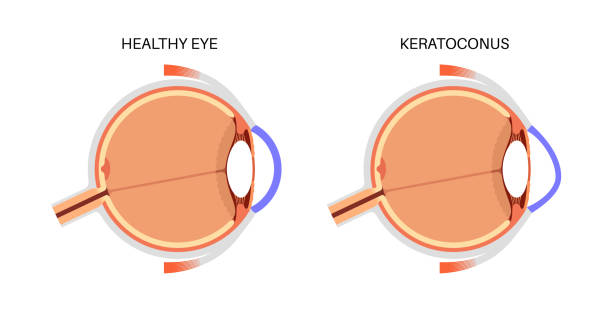
This surgical technique replaces diseased or scarred corneal tissue with healthy donor cornea to restore transparency and improve vision clarity when other treatments fail.
- Indications include conditions like keratoconus, corneal scarring from injury or infection impairing light transmission into the eye’s interior structures.
- A careful assessment ensures patient suitability considering factors such as ocular surface health and immune status prior to transplantation scheduling.
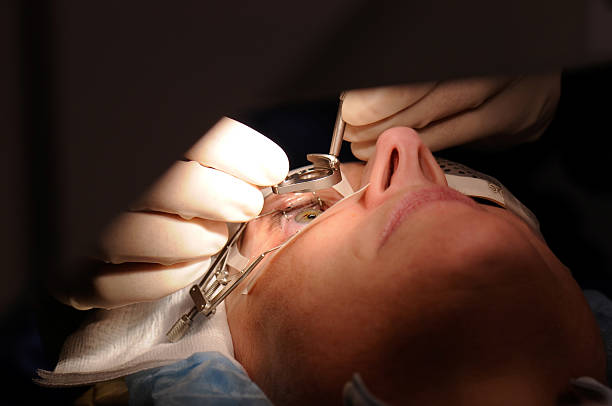
- The procedure involves partial or full-thickness removal of damaged cornea followed by suturing donor tissue precisely into place under sterile conditions in an operating room setting.
- Diligent postoperative follow-up manages risks like rejection episodes using corticosteroids alongside protective measures against infections If successful graft integration occurs, visual acuity may markedly improve although final outcomes depend on preexisting conditions affecting other parts of the eye
VITRECTOMY SURGERY
The vitreous gel inside the eye can develop issues such as hemorrhage or traction causing visual impairment. Vitrectomy involves surgically removing this gel to treat various retinal disorders effectively.
- This procedure addresses problems like retinal detachment, diabetic retinopathy complications, or macular holes that affect central vision clarity.
- A thorough retinal evaluation including imaging guides surgical planning and confirms diagnosis severity prior to intervention.
- The operation entails making small incisions in the sclera followed by extraction of vitreous humor and repair of damaged retinal tissue if needed.
- Recovery may involve positioning techniques post-surgery and use of antibiotic/steroid drops for inflammation control.
- The success rate depends on underlying condition but generally leads to stabilization or improvement in sight quality after healing completes over several weeks
Vitrectomy has revolutionized treatment options for complex retinal diseases once considered untreatable conservatively.
GLAUCOMA MANAGEMENT
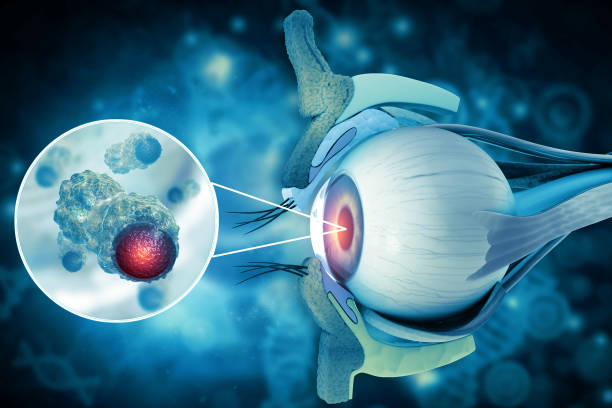
Glaucoma refers to a group of eye conditions causing optic nerve damage often linked to elevated intraocular pressure. Without timely management, it can lead to irreversible vision loss.
- Common signs include gradual peripheral vision loss, sometimes unnoticed until advanced stages.
- Diagnosis involves measuring intraocular pressure, assessing optic nerve health via imaging or visual field tests.
- Treatment options range from medicated eye drops that lower pressure to laser therapy or surgical interventions if medications are insufficient.
- Lifelong monitoring is crucial as glaucoma requires ongoing care even when symptoms are controlled.
- The goal is preserving remaining vision by maintaining target pressure levels safely over time.
Early detection significantly improves outcomes, underscoring the importance of regular eye exams especially for at-risk individuals.
LASER-ASSISTED IN SITU KERATOMILEUSIS (LASIK)
This advanced refractive surgery aims to correct common vision problems like nearsightedness, farsightedness, and astigmatism. It reshapes the cornea using a precise laser for improved focus.
- Patients typically seek LASIK due to reliance on glasses or contact lenses for clear vision.
- A detailed eye evaluation determines corneal thickness and shape suitability for the procedure.
- The surgery uses a femtosecond laser to create a corneal flap followed by excimer laser ablation to reshape underlying tissue.
- Recovery is rapid, usually enabling patients to return to normal activities within 24-48 hours post-surgery.
- Potential side effects may include temporary dry eyes or glare, which often resolve over time.
LASIK provides a reliable option for many people seeking freedom from corrective eyewear through cutting-edge technology.
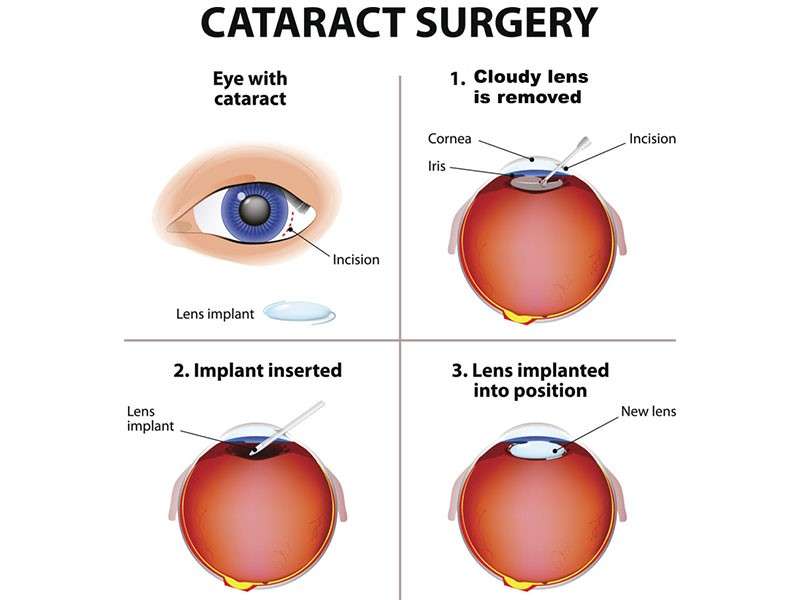
CATARACT SURGERY
Cataracts involve the clouding of the eye's natural lens, leading to blurred vision and difficulty seeing clearly. Surgery is the primary treatment to restore sight by removing the affected lens.
- Symptoms often include faded colors, glare around lights, and increasing difficulty with night vision.
- Diagnosis is confirmed via a comprehensive eye exam including visual acuity tests and slit-lamp examination.
- Treatment involves phacoemulsification where the cloudy lens is emulsified with ultrasound and replaced with an artificial intraocular lens.
- Postoperative care includes use of prescribed eye drops and avoiding strenuous activities to promote healing.
- Most patients notice significant improvement in vision within days of surgery, with minimal discomfort.
This procedure is highly effective and considered safe, allowing individuals to regain clear vision and maintain their quality of life.