
Dr Neeta Kochar
About Me
Dr Neeta Kochar
MBBS
General Physician
Biography
My Clinic
OPD Hours
| Monday | Morning | 10:00 AM | - | 02:00 PM |
| Evening | 06:00 PM | - | 09:00 PM | |
| Tuesday | Morning | 10:00 AM | - | 02:00 PM |
| Evening | 06:00 PM | - | 09:00 PM | |
| Wednesday | Morning | 10:00 AM | - | 02:00 PM |
| Evening | 06:00 PM | - | 09:00 PM | |
| Thursday | Morning | 10:00 AM | - | 02:00 PM |
| Evening | 06:00 PM | - | 09:00 PM | |
| Friday | Morning | 10:00 AM | - | 02:00 PM |
| Evening | 06:00 PM | - | 09:00 PM | |
| Saturday | Morning | 10:00 AM | - | 02:00 PM |
| Evening | 06:00 PM | - | 09:00 PM | |
| Sunday | Morning | 10:00 AM | - | 02:00 PM |
| Evening | 06:00 PM | - | 09:00 PM |
Treatments
Specialised care and treatments offered
ANEMIA EVALUATION
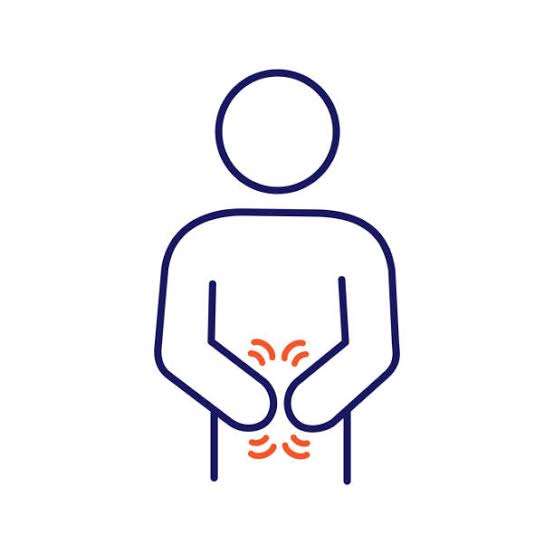
Anemia is a condition marked by insufficient red blood cells leading to reduced oxygen delivery throughout the body. Understanding its causes aids effective management strategies thereafter
- Symptoms: Fatigue , pallor , dizziness , rapid heartbeat while exerting oneself serve as common indicators requiring attention towards underlying issues faced .
- Causes: Factors contributing encompass nutritional deficiencies (iron , B12), chronic illnesses , hereditary disorders alongside unknown etiologies seen frequently today .
- Diagnosis: Blood tests including complete blood counts (CBC), reticulocyte counts assist ascertain nature severity determining possible origins driving anemia observed clinically via examinations performed accordingly .
- Treatment/Management:
INFECTIOUS DISEASE SCREENING

LIPID PROFILE TESTING

A lipid profile test measures fats in the blood to assess cardiovascular health. High cholesterol levels can significantly increase the risk of heart disease if left unchecked.
- Symptoms: Typically asymptomatic; however, symptoms may arise from related conditions such as chest pain or heart attacks due to plaque buildup in arteries.
- Causes: High lipid levels can be caused by poor diet choices, genetic predispositions, obesity and lack of physical activity.
- Diagnosis:This test evaluates total cholesterol levels along with LDL (bad cholesterol) and HDL (good cholesterol) levels through a simple blood draw after fasting overnight.
- Treatment/Management: Lifestyle interventions (dietary adjustments and increased physical activity) along with medications like statins may be recommended for management based on risk factors.
- What to Expect: Regular testing is important for tracking cholesterol levels effectively over time ensuring heart health is prioritized.
Monitoring lipid profiles allows patients to make informed decisions about their cardiovascular health.
THYROID FUNCTION TESTS
The thyroid gland plays a crucial role in regulating metabolism through hormone production. Testing its function is key in diagnosing disorders like hypothyroidism or hyperthyroidism.
- Symptoms: Symptoms may vary widely; weight changes, fatigue, hair loss, and mood swings are common indicators of thyroid dysfunction.
- Causes: Autoimmune conditions like Hashimoto's thyroiditis and Grave's disease are among the leading causes of thyroid disorders.
- Diagnosis: Blood tests measuring TSH (Thyroid-Stimulating Hormone) along with T3 and T4 hormone levels help evaluate thyroid health.
- Treatment/Management: Depending on the diagnosis, treatment could involve medication therapy (like levothyroxine) or radioactive iodine treatments for overactive thyroid conditions.
- What to Expect: Regular monitoring after diagnosis ensures that hormone levels are maintained within acceptable ranges for overall well-being.
A proper understanding of thyroid health empowers patients to take charge of their condition effectively.
DIABETES SCREENING

Diabetes is a metabolic disorder characterized by elevated blood sugar levels. Early detection through screening can prevent complications associated with the disease.
- Symptoms: Common signs include excessive thirst, frequent urination, fatigue, and blurred vision even though it can remain asymptomatic in its early stages.
- Causes: Predisposing factors encompass obesity, sedentary lifestyle, family history, and age over 45 years.
- Diagnosis: Blood tests such as fasting glucose or A1C tests are used to confirm diabetes or prediabetes status.
- Treatment/Management: Management includes dietary changes, regular exercise, monitoring blood sugar levels, and medication when necessary.
- What to Expect: Routine check-ups are integral to managing diabetes effectively over the long term.
A proactive approach can significantly improve the quality of life for those at risk of diabetes.
HYPERTENSION MANAGEMENT
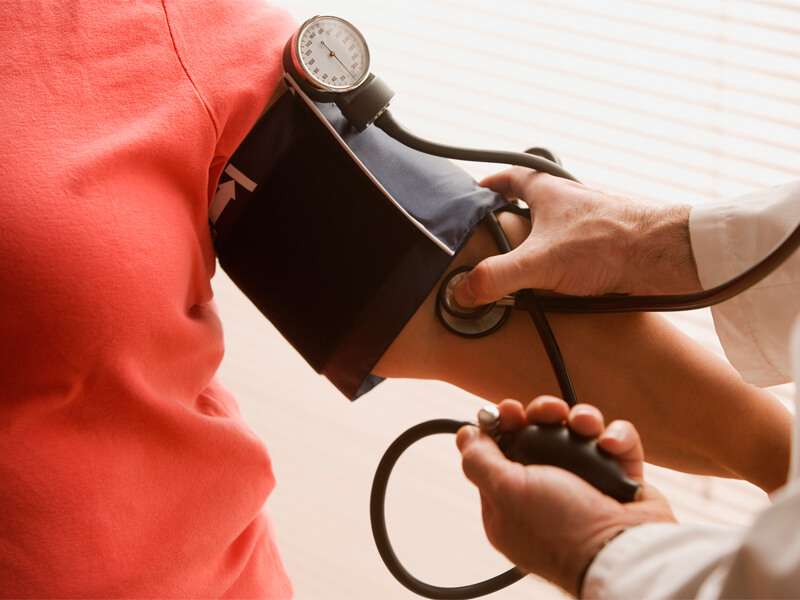
Hypertension, or high blood pressure, is a chronic condition that can lead to serious health problems if not managed properly. It often presents with no symptoms, which makes regular monitoring essential.
- Symptoms: Many individuals do not experience noticeable symptoms; however, some may feel headaches, dizziness, or shortness of breath.
- Causes: Factors include genetics, obesity, lack of physical activity, unhealthy diet, and stress.
- Diagnosis: Blood pressure is measured using a sphygmomanometer. Repeat measurements are often necessary for confirmation.
- Treatment/Management: Options include lifestyle changes (diet and exercise) and medications such as diuretics or ACE inhibitors.
- What to Expect: Regular follow-ups will help track your blood pressure levels and adjust treatment as needed.
Maintaining a healthy lifestyle is vital in managing hypertension effectively.