
Dr Neeta Rajani
About Me
Dr Neeta Rajani
Dermatologist
Biography
My Clinic
OPD Hours
| Tuesday | Morning | 10:00 AM | - | 02:00 PM |
| Evening | 06:00 PM | - | 09:00 PM | |
| Wednesday | Morning | 10:00 AM | - | 02:00 PM |
| Evening | 06:00 PM | - | 09:00 PM | |
| Thursday | Morning | 10:00 AM | - | 02:00 PM |
| Evening | 06:00 PM | - | 09:00 PM | |
| Friday | Morning | 10:00 AM | - | 02:00 PM |
| Evening | 06:00 PM | - | 09:00 PM | |
| Saturday | Morning | 10:00 AM | - | 02:00 PM |
| Evening | 06:00 PM | - | 09:00 PM | |
| Sunday | Morning | 10:00 AM | - | 02:00 PM |
| Evening | 06:00 PM | - | 09:00 PM | |
| Thursday | Morning | 10:00 AM | - | 02:00 PM |
| Evening | 06:00 PM | - | 09:00 PM |
Treatments
Specialised care and treatments offered
ECZEMA MANAGEMENT
Eczema denotes a group of conditions that cause inflammation & irritation of the skin often requiring personalized treatment plans based on individual sensitivity profiles observing triggers quickly upon onset ensures effectiveness while navigating daily life smoothly adapting routines accordingly becomes smoother over time too!
- Symptoms: The most common form results in dry itchy rashes observed mostly among children although adulthood onset isn't rare either exhibiting variations across affected demographics & lifestyle choices on occasion too!
PSORIASIS TREATMENT
Plaque psoriasis is a chronic autoimmune condition characterized by rapid skin cell turnover leading to inflamed patches at various sites. Understanding triggers helps in managing flare-ups effectively through different modalities of care available today.
- Symptoms: Red patches with silvery scales commonly appear on elbows, knees or scalp causing itching
- Causes: Triggers can include stressors like infections or environmental factors influencing disease progression
- Diagnosis: Visual examination supplemented with biopsies if necessary help confirm diagnosis; history review aids in identifying patterns over time
- Treatment Options: Topical agents along with systemic medications provide varied approaches catering individual severity levels; phototherapy serves as adjunctive support
- What To Expect: While there’s no cure yet monthly follow-up plans help adjust treatments aligning with observed progress through shared goals between physician-patient relationship procedures
This multi-faceted approach ensures comprehensive management addressing both physical manifestations along emotional impacts associated closely with psoriasis visibility overall
ACNE SCAR REVISION
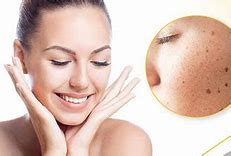
A range of procedures exist specifically designed to improve the appearance of acne scars. Treatments may vary based on scar type—this could include fillers, laser therapy, or surgical options when appropriate.
- Symptoms: Scarring caused by previous acne lesions can impact self-esteem; various textures like atrophic or hypertrophic scars might be present
- Causes: Acne lesions heal unevenly in some individuals due to inflammation levels and genetic predisposition
- Diagnosis: Assessment includes evaluating scar depth and distribution which guides procedural planning
- Treatment Options: Options range from non-invasive treatments like fillers to deeper interventions such as laser resurfacing tailored per scar type
- What to Expect: Results may take time; initial therapies can be followed up by maintenance options depending on individual responses
The goal here is not only enhanced appearance but also restoring confidence through targeted strategies suited for each patient’s skin condition
MOHS MICROGRAPHIC SURGERY
This specialized surgical technique is primarily used for treating skin cancers. Mohs surgery involves the meticulous removal of cancerous tissue layer by layer until no further cancerous cells remain.
- Symptoms: Skin changes such as new growths or persistent sores may necessitate examination for potential malignancy.
- Causes: UV exposure and certain genetic factors can increase susceptibility to skin cancers requiring surgical intervention.
- Diagnosis: A biopsy may confirm cancer presence, guiding the need for Mohs surgery if indicated during evaluation.
- Treatment Options: This technique is preferred due to its high cure rates while sparing healthy tissue around the affected area as much as possible.
- What to Expect: Patients typically experience minimal downtime with careful post-surgical monitoring necessary for optimal recovery outcomes.
This highly precise technique ensures comprehensive cancer removal while preserving surrounding healthy skin, making it an ideal choice for complex cases.
CHEMICAL PEELS
Chemical peels are an effective way to enhance skin appearance by removing damaged outer layers. They rejuvenate the skin and address various concerns including acne scars and pigmentation issues.
- Symptoms: Individuals may seek peels for issues such as uneven texture, dark spots, or fine lines.
- Causes: Skin damage from sun exposure and aging are common reasons that prompt individuals to consider this treatment.
- Diagnosis: Dermatologists assess the skin type and specific conditions before recommending suitable peel strength.
- Treatment Options: There are three main types: superficial, medium, and deep peels, each tailored to different skin needs.
- What to Expect: Post-treatment care is crucial; it helps manage peeling and redness while promoting healing effectively.
This approach offers an excellent path for revitalizing skin tone and texture safely under professional supervision.
LASER HAIR REMOVAL
Laser hair removal is a popular method for reducing unwanted body hair using concentrated light energy. It targets hair follicles, leading to a long-term reduction in hair growth.
- Symptoms: The procedure is primarily sought by individuals with excessive or unwanted hair in various areas.
- Causes: Factors contributing to this can include hormonal imbalances, genetics, and cultural preferences.
- Diagnosis: A consultation will involve evaluating your skin type and hair color to determine the suitability of laser treatment.
- Treatment Options: Multiple sessions are usually required for optimal results, focusing on specific areas guided by the patient's needs.
- What to Expect: Patients may experience mild discomfort during the procedure; regular follow-ups ensure effective management of any side effects.
This method provides a convenient solution for those seeking a more permanent option compared to traditional hair removal methods.