
Dr Neetu Ramrakhi
About Me
Dr Neetu Ramrakhi
ENDOCRINOLOGIST
Biography
My Clinic
OPD Hours
| Monday | Morning | 10:00 AM | - | 02:00 PM |
| Evening | 06:00 PM | - | 09:00 PM | |
| Tuesday | Morning | 10:00 AM | - | 02:00 PM |
| Evening | 06:00 PM | - | 09:00 PM | |
| Wednesday | Morning | 10:00 AM | - | 02:00 PM |
| Evening | 06:00 PM | - | 09:00 PM | |
| Thursday | Morning | 10:00 AM | - | 02:00 PM |
| Evening | 06:00 PM | - | 09:00 PM | |
| Friday | Morning | 10:00 AM | - | 02:00 PM |
| Evening | 06:00 PM | - | 09:00 PM | |
| Saturday | Morning | 10:00 AM | - | 02:00 PM |
| Evening | 06:00 PM | - | 09:00 PM | |
| Sunday | Morning | 10:00 AM | - | 02:00 PM |
| Evening | 06:00 PM | - | 09:00 PM |
Treatments
Specialised care and treatments offered
OSTEOPOROSIS MANAGEMENT
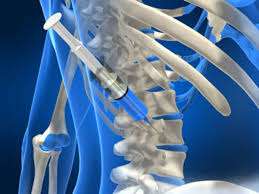
This condition leads to weakened bones that are more susceptible to fractures. Osteoporosis often develops silently over years without noticeable symptoms until a fracture occurs.
- Treatment options may involve calcium supplementation along with Vitamin D intake alongside medications like bisphosphonates that help decrease bone loss.(Meds like Alendronate).The assessment typically includes bone density scans performed regularly for early detection and ongoing evaluation.(DEXA scan recommended measurements).The morbidity associated emphasized changing lifestyle factors including diet modifications plus increasing physical activities targeting strength training exercises conducive towards maintaining healthy bone mass over time.(Avoidance/mitigation against modifiable risk factors imperative)..In conclusion managing osteoporosis comprehensively can help prevent debilitating skeletal fractures reducing resultant complications enhancing quality longevity across demographic parameters.
HYPOTHYROIDISM TREATMENT

Hypothyroidism occurs when the thyroid gland fails to produce adequate amounts of thyroid hormones. This deficiency can result in several bodily dysfunctions requiring timely intervention.
- Sufferers often experience weight gain, fatigue, depression, hair loss, and sensitivity to cold temperatures among other signs.
- A healthcare provider will typically diagnose hypothyroidism through blood tests that measure TSH (Thyroid Stimulating Hormone) alongside T3/T4 hormone levels as needed for a comprehensive assessment.
- Treatment generally involves lifelong levothyroxine therapy aimed at normalizing hormone levels while monitoring dosage periodically based on lab results.
ADRENAL INSUFFICIENCY

This condition occurs when the adrenal glands do not produce sufficient cortisol. Cortisol plays a critical role in regulating metabolism and responding to stress.
- Main symptoms may include extreme fatigue, weight loss, low blood pressure, and muscle weakness.
- The diagnosis usually requires blood tests assessing cortisol levels along with ACTH stimulation tests for confirmation.
- Treatment primarily involves hormone replacement therapy using corticosteroids tailored to individual needs based on severity of the deficiency.
- A long-term management plan includes education on recognizing symptoms of an adrenal crisis which may require emergency intervention.
Evolving awareness around adrenal insufficiency helps ensure patients manage their condition effectively during daily activities and stressors alike.
POLYCYSTIC OVARY SYNDROME (PCOS)

PCOS is a common hormonal disorder affecting women of reproductive age. It can lead to various symptoms that may impact quality of life and fertility.
- Symptoms often include irregular menstrual cycles, excess hair growth (hirsutism), acne, and weight gain.
- A diagnosis typically involves a combination of pelvic exams, ultrasound imaging, and blood tests measuring hormone levels.
- Treatment strategies might include lifestyle changes such as diet modification and exercise or medications to regulate menstrual cycles and manage symptoms.
- Patients should also be aware of the potential long-term impacts on metabolic health requiring regular check-ups for monitoring insulin resistance or diabetes risk factors.
Addressing PCOS early can help manage symptoms effectively while improving overall reproductive health.
THYROID DISORDERS

Thyroid disorders can significantly impact overall health and well-being. The thyroid gland produces hormones that regulate metabolism, energy levels, and growth.
- Common symptoms include weight changes, fatigue, mood swings, and temperature sensitivity.
- Disease diagnosis often involves blood tests measuring thyroid hormone levels (TSH, T3, T4).
- Treatment options range from medication for hormone replacement to radiation therapy or surgery in more severe cases.
- It's essential to have regular follow-ups to monitor hormone levels and adjust treatments as necessary.
- A collaborative care approach ensures personalized management of symptoms and health outcomes.
Caring for your thyroid health is crucial for maintaining balance throughout your body systems.
DIABETES MANAGEMENT

Living with diabetes requires careful management and understanding of the condition. Diabetes affects how your body uses sugar, leading to potentially serious health complications if not properly managed.
- Symptoms include excessive thirst, frequent urination, fatigue, and blurred vision.
- Diagnosis typically involves blood tests like fasting glucose levels or HbA1c assessments.
- Treatment options may involve lifestyle changes, oral medications, or insulin therapy tailored to individual needs.
- Regular monitoring of blood sugar levels is essential to manage diabetes effectively.
- Patients can expect ongoing support and education about dietary choices and physical activity in their treatment plan.
Effective diabetes management empowers patients to lead healthy lives while minimizing risks associated with the disease.