
Dr Neha Mehta
About Me
Dr Neha Mehta
Anesthesiologist
Biography
My Clinic
OPD Hours
| Tuesday | Morning | 10:00 AM | - | 02:00 PM |
| Evening | 06:00 PM | - | 09:00 PM | |
| Wednesday | Morning | 10:00 AM | - | 02:00 PM |
| Evening | 06:00 PM | - | 09:00 PM | |
| Thursday | Morning | 10:00 AM | - | 02:00 PM |
| Evening | 06:00 PM | - | 09:00 PM | |
| Friday | Morning | 10:00 AM | - | 02:00 PM |
| Evening | 06:00 PM | - | 09:00 PM | |
| Saturday | Morning | 10:00 AM | - | 02:00 PM |
| Evening | 06:00 PM | - | 09:00 PM | |
| Sunday | Morning | 10:00 AM | - | 02:00 PM |
| Evening | 06:00 PM | - | 09:00 PM | |
| Thursday | Morning | 10:00 AM | - | 02:00 PM |
| Evening | 06:00 PM | - | 09:00 PM |
Treatments
Specialised care and treatments offered
CHRONIC PAIN MANAGEMENT
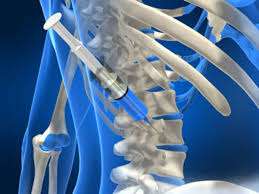
The evaluation and treatment of chronic pain involve understanding its origin and implementing strategies that provide lasting relief over time. Chronic pain can deeply impact daily life and wellbeing if not addressed appropriately by healthcare professionals specializing in this field.
- Common Causes: Conditions such as arthritis neuropathy fibromyalgia require ongoing assessment leading into multi-disciplinary treatments alongside medication regimens
- Diagnostic Procedures: Imaging tests lab work psychological evaluations assist care teams to understand manageable causes supporting accurate diagnosis process
- Treatment Plans: Incorporates medications nerve blocks physical therapies along psychological support groups available within Mumbai's local community healthcare network
- Long-Term Strategies: Emphasis lies upon creating individualized care plans balancing both physical therapy rehabilitation addressing emotional wellbeing together maximizing quality life outcomes sustaining independence through regular follow-up consultations
EPIDURAL ANALGESIA

Epidural analgesia provides significant relief from pain during labor or certain surgical procedures by delivering medication directly into the epidural space surrounding the spinal cord. This targeted approach helps alleviate discomfort effectively while maintaining motor function until needed further down the line during labor stages or post-operatively when warranted.
- Mechanism: Involves injecting anesthetics combined with opioids through a catheter placed near spinal nerves
- Indications: Commonly used in childbirth management but also applicable for lower abdominal surgeries
- Procedure Overview: Embedding catheter allows ongoing administration ensuring continuous pain relief
- Outcome Expectations: Patients often report high satisfaction scores regarding comfort with fewer analgesic side effects
Overall, epidural analgesia offers a viable solution tailor-made to enhance experiences around childbirth or complicated breech positions requiring obstetric intervention
POSTOPERATIVE PAIN MANAGEMENT

The management of postoperative pain is crucial for recovery post-surgery. Effective strategies are tailored individually to achieve optimal comfort and promote healing following various surgical interventions.
- Pain Symptoms: Patients may experience varying degrees of discomfort depending on the type of surgery performed.
- Diverse Treatment Options: Includes medications such as opioids, non-steroidal anti-inflammatory drugs (NSAIDs), and regional blocks tailored to individual needs.
- Cognitive Factors: Emotional well-being plays an essential role in managing pain; psychological support may be beneficial during recovery periods.
- Please Note: This management begins before surgery with preventive measures ensuring minimal discomfort postoperatively.
A comprehensive strategy fosters significant improvements in recovery outcomes as patients navigate their healing journey after surgery.
SEDATION TECHNIQUES

Sedation techniques are used during medical procedures to help patients remain calm and relaxed. The level of sedation can vary according to the patient's needs and the complexity of the procedure being performed.
- Indications: Often utilized in minor surgeries, dental work, or diagnostic procedures like endoscopies.
- Evaluation Process: Medical history review helps determine suitability based on individual health factors and anxiety levels.
- Anesthetic Administration: Medications can be administered orally, intramuscularly, or intravenously for desired sedation levels.
- Adequate Monitoring: Continuous monitoring of vital signs ensures patient safety throughout sedation.
The goal of these techniques is not only effective pain control but also enhancing patient cooperation during less invasive interventions.
REGIONAL ANESTHESIA

Regional anesthesia is a technique that involves numbing a larger area of the body, allowing for surgery or procedures while the patient remains awake or sedated. This method can be advantageous for various surgeries, particularly in lower extremities.
- Common Uses: Frequently employed for knee or hip surgeries, providing effective pain management post-operation.
- Preparation Steps: Patients are evaluated through a health assessment and may undergo imaging studies if necessary.
- Pain Management: Typically involves administering a local anesthetic around nerves to block sensation in a specific region.
- Monitoring: Vital signs are monitored throughout the procedure to ensure safety and comfort levels are maintained.
This approach is recognized for its reduced recovery time and effective pain relief afterwards compared to general anesthesia.
GENERAL ANESTHESIA

General anesthesia is a medically induced state that allows patients to undergo surgical procedures without experiencing pain or discomfort. This approach ensures that the patient is unconscious and free from awareness during the operation.
- Symptoms/Conditions: Typically required for major surgeries such as abdominal or orthopedic procedures.
- Diagnosis: Assessment involves reviewing medical history, conducting a physical examination, and evaluating any underlying health conditions.
- Treatment/Management: Medication delivered through inhalation or intravenous methods to induce unconsciousness and ensure relaxation of muscles.
- What to Expect: Anesthesia providers monitor vital signs continuously, and patients typically awaken in the recovery room with minimal side effects.
This method allows surgeons to perform intricate procedures safely while ensuring patient comfort throughout the experience.