
Dr Neha Shah
About Me
Dr Neha Shah
Dermatologist
Biography
My Clinic
OPD Hours
| Tuesday | Morning | 10:00 AM | - | 02:00 PM |
| Evening | 06:00 PM | - | 09:00 PM | |
| Wednesday | Morning | 10:00 AM | - | 02:00 PM |
| Evening | 06:00 PM | - | 09:00 PM | |
| Thursday | Morning | 10:00 AM | - | 02:00 PM |
| Evening | 06:00 PM | - | 09:00 PM | |
| Friday | Morning | 10:00 AM | - | 02:00 PM |
| Evening | 06:00 PM | - | 09:00 PM | |
| Saturday | Morning | 10:00 AM | - | 02:00 PM |
| Evening | 06:00 PM | - | 09:00 PM | |
| Sunday | Morning | 10:00 AM | - | 02:00 PM |
| Evening | 06:00 PM | - | 09:00 PM | |
| Thursday | Morning | 10:00 AM | - | 02:00 PM |
| Evening | 06:00 PM | - | 09:00 PM |
Treatments
Specialised care and treatments offered
WART REMOVAL
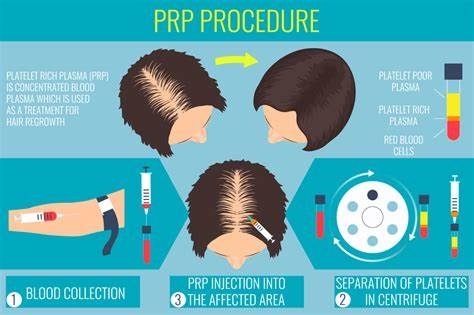
A common benign growth caused by human papillomavirus (HPV), warts can appear anywhere on the body. They are usually harmless but may cause discomfort depending on their location.
- Symptoms: Characterized by rough bumps varying in size which might itch occasionally if located in friction-prone areas like hands/feet.
- Cause: HPV infection spreads through direct contact with infected surfaces enabling warts formation after exposure occurs.
- Diagnosis: Typically diagnosed through physical examination without extensive testing unless complications arise requiring further assessment.
- Treatment Options: Options include cryotherapy (freezing), laser treatment & topical medications which are effective at promoting wart resolution while minimizing future occurrences!
Timely intervention reduces discomfort associated with warts allowing skillful professionals guiding patients towards resolution efficiently!
SKIN CANCER SCREENING
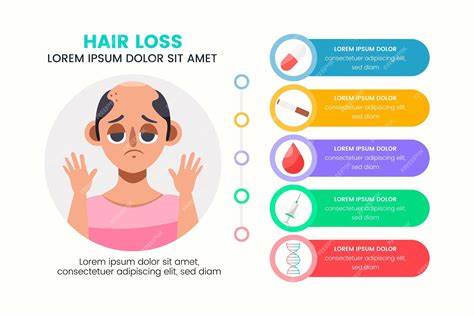
This preventative measure involves thorough examinations of suspicious moles or lesions on the skin. Regular screenings help detect potential cancers early when they are most treatable.
- Symptoms: Look for changes in existing moles (color/size) or new growths that don't heal properly.
- Risk Factors: Includes a family history of skin cancer, excessive sun exposure without protection & previous diagnoses increase risk significantly.
- Diagnosis: Utilizes visual inspection & dermatoscopy; biopsies may confirm malignancies if indicated.
- Management Options: Range from monitoring benign spots closely until surgical removal becomes necessary if malignant changes develop. Consultations about lifestyle modifications enhance outcomes overall!
Early detection saves lives—don’t neglect your regular dermatological check-ups!
MELASMA
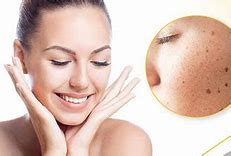
This common skin disorder results in brown or gray-brown patches mainly on the face. Often referred to as 'the mask of pregnancy', melasma predominantly affects women but men can also experience it.
- Symptoms: Presents as symmetrically distributed dark patches usually on cheeks, forehead, nose, chin, and upper lip.
- Causative factors: Hormonal changes due to pregnancy or oral contraceptives usually contribute; sun exposure exacerbates the condition significantly.
- Differential diagnosis: Clinical evaluation is sufficient for identification; dermoscopy might provide additional insights when necessary.
- Treatment options:Creams containing hydroquinone or tretinoin are commonly prescribed along with sun protection measures to prevent worsening pigmentation.'
A multifaceted approach aids in achieving desired results while balancing safety in treatment practices for melasma sufferers today!
ECZEMA
Eczema is an inflammatory skin condition that causes red, itchy patches on the skin. It can occur at any age but is prevalent during childhood. Understanding the triggers is key to management.
- Symptoms: Typically includes dry skin that itches intensely; rash appears on various parts of the body.
- Causes: Factors such as allergens, irritants, genetics, and climate can trigger flare-ups.
- Diagnosis: Usually based on a medical history review and physical examination; patch testing may be used to identify allergens.
- Treatment strategies: Involves moisturizing regularly along with topical steroids for inflammation control; antihistamines may alleviate itching at night.
A tailored management plan enhances comfort levels for those living with this condition over time.
PSORIASIS
This chronic autoimmune condition speeds up the growth cycle of skin cells, leading to thick red patches covered with silver scales. Though it often manifests in adulthood, it can also appear in childhood or adolescence.
- Symptoms: Include dry patches that can itch or hurt and may crack and bleed.
- Causes: The exact cause is unknown but involves genetics and environmental factors such as infections or stress.
- Diagnosis: Generally made through clinical evaluation; occasionally a biopsy may confirm the diagnosis if needed.
- Treatment options: May involve topical treatments like corticosteroids or vitamin D analogues; phototherapy is also effective for many patients.
An early diagnosis can help manage symptoms effectively and improve quality of life significantly.
ACNE
Acne is a common skin condition that affects people of all ages, characterized by the presence of pimples, blackheads, and cysts. It occurs when hair follicles become clogged with oil and dead skin cells.
- Symptoms: Includes whiteheads, blackheads, pustules, and in severe cases, scarring.
- Causes: Can be triggered by hormonal changes, diet, stress, and certain medications.
- Diagnosis: Typically involves a physical examination of the skin; sometimes blood tests may be conducted to check hormone levels.
- Treatment options: Ranges from topical treatments like retinoids to oral medications, including antibiotics or hormonal therapy.
- Management: A good skincare routine and regular dermatologist visits are essential for managing acne effectively.
A comprehensive approach can lead to clearer skin and reduced occurrences of breakouts over time.