
Dr Neil Soares
About Me
Dr Neil Soares
Dermatologist
Biography
My Clinic
OPD Hours
| Tuesday | Morning | 10:00 AM | - | 02:00 PM |
| Evening | 06:00 PM | - | 09:00 PM | |
| Wednesday | Morning | 10:00 AM | - | 02:00 PM |
| Evening | 06:00 PM | - | 09:00 PM | |
| Thursday | Morning | 10:00 AM | - | 02:00 PM |
| Evening | 06:00 PM | - | 09:00 PM | |
| Friday | Morning | 10:00 AM | - | 02:00 PM |
| Evening | 06:00 PM | - | 09:00 PM | |
| Saturday | Morning | 10:00 AM | - | 02:00 PM |
| Evening | 06:00 PM | - | 09:00 PM | |
| Sunday | Morning | 10:00 AM | - | 02:00 PM |
| Evening | 06:00 PM | - | 09:00 PM | |
| Thursday | Morning | 10:00 AM | - | 02:00 PM |
| Evening | 06:00 PM | - | 09:00 PM |
Treatments
Specialised care and treatments offered
WARTS
An infection caused by the human papillomavirus (HPV), warts are benign growths appearing on various parts of the body. They frequently cause concern due to their visibility despite being harmless in nature.
- Symptoms : Warts usually appear as rough bumps on fingers , toes , elbows , knees , with variations such as plantar warts forming on soles causing pain during walking .
- Causes : HPV enters through tiny cuts or breaks in the skin ; while highly contagious , not everyone exposed will develop warts due largely immunological responses varying from person-to-person .
- Diagnosing warts : A healthcare provider examines growth pattern visually ; rarely biopsy required unless uncertain about diagnosis due similarity presentation other skin lesions .
- Treatment options : Treatments range from cryotherapy freezing methods , salicylic acid applications aimed clearing lesions over time , laser therapy eliminating stubborn cases completely .
- Expectations post-treatment : Recurrences may occur if underlying viral particles remain dormant therefore following aftercare guidance provided ensures optimal outcomes long term .
Mild self-care habits combined professional interventions enhance likelihood achieving satisfactory results regarding wart removal effectively alleviating concerns associated them .
ROSACEA
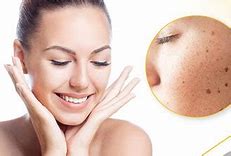
Rosacea is a chronic facial condition typically characterized by flushing redness across the cheeks and nose. Management focuses on controlling symptoms since there is currently no cure available for this disorder.
- Symptoms: Symptoms include persistent redness on the face, visible blood vessels (telangiectasia), papules or pustules resembling acne without blackheads or whiteheads present.
- Causes : The exact cause remains enigmatic though factors such as genetics or environmental triggers like sun exposure are thought contributors.
- Diagnosis : Dermatologists diagnose rosacea by examining facial symptoms & ruling out other conditions with similar presentations through patient history interviews .
- Treatment approaches : Commonly advised treatments encompass topical medications targeting inflammation , oral antibiotics when necessary , & lifestyle modifications aimed at avoiding known triggers .
- What’s expected : Patients should anticipate gradual improvement in flushing & papules over time with consistent adherence to prescribed regimens .
The journey toward managing rosacea successfully involves collaboration between patient & dermatologist focused on establishing effective long-term management plans .
ACNE
Acne is a prevalent condition affecting individuals during adolescence and adulthood due to excess oil production and clogged pores. Understanding acne helps in preventing severe outbreaks and scars.
- Symptoms: Symptoms range from blackheads and whiteheads to inflamed pimples or cysts; each varies in severity among individuals.
- Causes: Factors contributing to acne include hormonal changes, diet, stress levels, and certain medications that can exacerbate breakouts.
- Diagnosis : Diagnosis mainly relies on visual observation of lesions; sometimes further tests are warranted if hormonal causes are suspected.
- Treatment options: Treatment may involve topical retinoids, antibiotics for inflammation reduction, hormonal therapies for women, or isotretinoin for resistant cases.
- Expectations during treatment: Results can take several weeks to months; adherence to prescribed regimens increases the likelihood of clearer skin over time.
A comprehensive approach not only addresses current breakouts but also aids prevention of future occurrences as well.
ECZEMA
Eczema is a common inflammatory skin condition characterized by itchy and inflamed skin. It often begins in childhood but can occur at any age. Managing eczema effectively involves understanding its triggers.
- Symptoms: Key indicators include intense itching, redness of the affected areas, dry or scaly patches, and sometimes oozing blisters during flare-ups.
- Causes: A combination of genetic predisposition and environmental factors such as allergens contributes to eczema outbreak.
- Diagnosis: Diagnosis typically involves a thorough evaluation of medical history along with an examination of affected skin areas to rule out other conditions.
- Treatment methods: Common treatments include moisturizers to maintain hydration, topical corticosteroids to reduce inflammation, and antihistamines for itch relief.
- Managing expectations: With careful management strategies tailored to individual triggers, patients can see improvements in their condition over time.
A robust skincare routine is essential for long-lasting relief from eczema symptoms.
PSORIASIS
Psoriasis is a chronic autoimmune condition that results in the rapid growth of skin cells, leading to scaling on the skin's surface. This can cause significant discomfort and self-esteem issues for many sufferers.
- Symptoms: Common symptoms include red patches covered with thick, silvery scales, dry skin that may crack and bleed, and itching or burning sensations.
- Causes: While the exact cause remains unclear, it is believed to be related to immune system dysfunction and genetic factors.
- Diagnosis: Doctors usually diagnose psoriasis through physical examination of the skin, and occasionally through biopsies if the diagnosis is uncertain.
- Treatment options: Management strategies include topical treatments like corticosteroids, phototherapy techniques, and systemic medications that impact the whole body.
- What to expect: Treatment plans vary; some patients find effective long-term management while others may experience flare-ups requiring ongoing adjustments in therapy.
Overall, living with psoriasis requires ongoing care but many patients successfully manage their symptoms with appropriate treatment.