
Dr Nemichand Poon
About Me
Dr Nemichand Poon
MBBS
Urologists
10 Years Experience
Biography
My Clinic
OPD Hours
| Monday | Morning | 10:00 AM | - | 02:00 PM |
| Evening | 06:00 PM | - | 09:00 PM | |
| Tuesday | Morning | 10:00 AM | - | 02:00 PM |
| Evening | 06:00 PM | - | 09:00 PM | |
| Wednesday | Morning | 10:00 AM | - | 02:00 PM |
| Evening | 06:00 PM | - | 09:00 PM | |
| Thursday | Morning | 10:00 AM | - | 02:00 PM |
| Evening | 06:00 PM | - | 09:00 PM | |
| Friday | Morning | 10:00 AM | - | 02:00 PM |
| Evening | 06:00 PM | - | 09:00 PM | |
| Saturday | Morning | 10:00 AM | - | 02:00 PM |
| Evening | 06:00 PM | - | 09:00 PM | |
| Sunday | Morning | 10:00 AM | - | 02:00 PM |
| Evening | 06:00 PM | - | 09:00 PM |
Treatments
Specialised care and treatments offered
RENAL TRAUMA
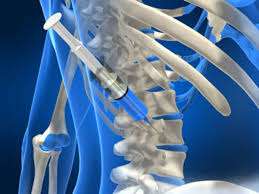
Bodily injuries affecting the kidneys vary widely from minor contusions to major lacerations that risk hemorrhage and loss of renal function. Prompt urological evaluation ensures optimal outcomes following trauma incidents involving the flank region.
- The most common mechanisms involve blunt force impacts such as falls or vehicle collisions causing local pain, hematuria (blood in urine), and possible shock depending on severity.
BLADDER INFECTION (CYSTITIS)

Cystitis is inflammation of the bladder usually caused by bacterial infection. While generally uncomplicated in healthy individuals, it requires attentive care especially if symptoms worsen rapidly or recur frequently.
- Pain & Symptoms Presentation: Burning sensation during urination, increased frequency/urgency, cloudy urine sometimes with mild lower abdominal discomfort occur commonly here.
- Labs & Diagnostic Criteria: Urinalysis showing pyuria and bacteriuria confirms diagnosis; culture identifies causative organism when necessary for resistant cases evaluation.
- Treatment options include appropriate antibiotic regimens tailored by culture results when feasible to eradicate infection effectively;
PRIAPISM

An erection lasting beyond four hours without sexual stimulation defines priapism. This condition can result in permanent erectile dysfunction if not treated promptly with specialist care.
- Epidemiology & Symptoms: Painful persistent erection commonly linked to blood flow dysregulation possibly caused by medications, sickle cell disease, or trauma.
- Differential Diagnosis & Evaluation: History taking along with penile blood gas analysis distinguishes ischemic (low flow) from non-ischemic types guiding urgency of treatment.
- Therapeutic Measures: Ischemic priapism mandates urgent decompression procedures including aspiration and intracavernosal injection of sympathomimetic agents or surgery if needed.
If treated quickly through recognized protocols, long-term complications can often be avoided preserving sexual health effectively.
URETERAL STONE OBSTRUCTION

The blockage of a ureter by kidney stones causes intense flank pain known as renal colic. This painful event is common in urology practice and needs careful management based on stone size and location.
- Causative Factors & Symptoms: Severe intermittent flank pain radiating to groin, hematuria, nausea; stones form due to crystallization of minerals in urine.
- Assessment Methods: Imaging such as non-contrast CT scan precisely locates stones and evaluates degree of obstruction or infection risk.
- Treatment Modalities: Small stones often pass spontaneously supported by hydration and pain control; larger ones may require lithotripsy or surgical removal.
- Pain Management & Supportive Care: NSAIDs or opioids are used alongside antiemetics during acute attacks for symptom relief.
An individualized approach aims at relieving obstruction safely while minimizing discomfort until stone passage or procedural clearance occurs.
TESTICULAR TORSION

Testicular torsion is a medical emergency where the spermatic cord twists, cutting off blood supply to the testicle. Rapid diagnosis and treatment are critical to save the testicle and preserve function.
- Symptoms & Causes: Sudden onset of severe scrotal pain, swelling, nausea, often in adolescents or young adults. It results from an anatomical abnormality allowing rotation of the testis.
- Diagnostic Steps: Clinical examination focusing on absent cremasteric reflex and Doppler ultrasound assessing blood flow are key tools.
- Treatment Approach: Emergency surgical detorsion within 6 hours offers best chance for viability; manual detorsion may be attempted initially in some cases.
- Avoidance of Delay: Any delay beyond 12 hours risks permanent testicular damage or loss requiring orchiectomy.
This condition demands immediate attention as timely intervention can prevent significant reproductive consequences.
ACUTE URINARY RETENTION

Sudden inability to urinate is often classified as acute urinary retention, a urological emergency requiring prompt care. This condition can cause severe discomfort and potential bladder damage if untreated.
- Symptoms and Causes: Typically includes intense lower abdominal pain, inability to pass urine, and bladder distension. Causes range from obstruction like enlarged prostate, infections, or nerve issues.
- Diagnosis: A physical exam coupled with bladder ultrasound determines urine volume and assesses obstruction presence.
- Treatment Options: Immediate catheterization to relieve retention followed by addressing underlying causes medically or surgically.
- Management: Observation after initial relief to monitor spontaneous voiding capability; medications such as alpha-blockers may be prescribed.
- Outlook: With timely treatment, recovery is typically prompt though underlying pathology requires follow-up care.
Recognizing this condition early allows for swift intervention preventing complications and improving quality of life.