
Dr Nida Bhujwala
About Me
Dr Nida Bhujwala
General Physician
Biography
My Clinic
OPD Hours
| Tuesday | Morning | 10:00 AM | - | 02:00 PM |
| Evening | 06:00 PM | - | 09:00 PM | |
| Wednesday | Morning | 10:00 AM | - | 02:00 PM |
| Evening | 06:00 PM | - | 09:00 PM | |
| Thursday | Morning | 10:00 AM | - | 02:00 PM |
| Evening | 06:00 PM | - | 09:00 PM | |
| Friday | Morning | 10:00 AM | - | 02:00 PM |
| Evening | 06:00 PM | - | 09:00 PM | |
| Saturday | Morning | 10:00 AM | - | 02:00 PM |
| Evening | 06:00 PM | - | 09:00 PM | |
| Sunday | Morning | 10:00 AM | - | 02:00 PM |
| Evening | 06:00 PM | - | 09:00 PM | |
| Thursday | Morning | 10:00 AM | - | 02:00 PM |
| Evening | 06:00 PM | - | 09:00 PM |
Treatments
Specialised care and treatments offered
ANNUAL HEALTH CHECK-UP
An annual health check-up serves as a preventative measure designed to identify potential health issues before they become serious problems. This comprehensive assessment allows for tailored advice aimed at maintaining optimal well-being throughout the year.
- Symptoms monitored: During routine exams, you might discuss any unusual symptoms but most visits focus on preventive care rather than responding specifically to illness concerns.
CHOLESTEROL MANAGEMENT
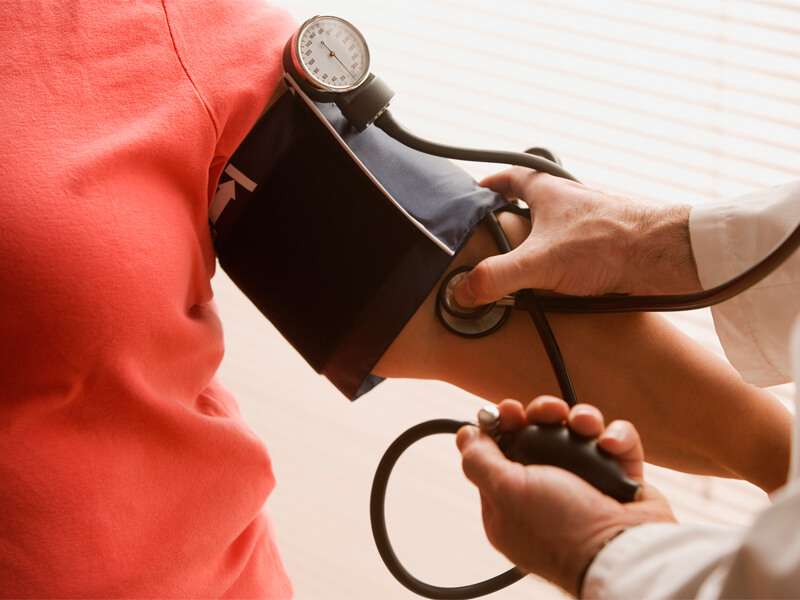
High cholesterol is a primary risk factor for cardiovascular diseases. It occurs when there’s an excess of lipids in the bloodstream that can clog arteries and lead to serious health issues over time.
- Symptoms: High cholesterol itself usually does not have symptoms. However, it can contribute to cardiovascular problems that manifest as chest pain or heart attacks later on.
- Causes: Poor diet rich in saturated fats, lack of physical activity, smoking habits, and certain genetic conditions play roles in cholesterol elevation.
- Diagnosis: A simple blood test measuring lipid levels helps determine cholesterol status. This provides insight into LDL (bad), HDL (good), and total cholesterol levels.
- Treatment options: Lifestyle modifications like adopting heart-healthy diets coupled with medications such as statins may be recommended based on individual risk factors.
- What to expect: Regular testing aids in monitoring cholesterol levels while proactive measures significantly reduce heart disease risk over time.
A commitment to managing cholesterol can drastically enhance overall health outcomes and longevity!
DIABETES SCREENING

Diabetes is a metabolic disorder characterized by high blood sugar levels due to insulin resistance or insufficient insulin production. Early detection through screening is crucial for effective management and prevention of complications.
- Symptoms: Common signs include frequent urination, increased thirst, extreme fatigue, and blurred vision.
- Causes: Risk factors encompass obesity, sedentary lifestyle, family history of diabetes, and age.
- Diagnosis: Blood tests like fasting glucose levels or HbA1c tests are used for diagnosis. These assessments determine if your blood sugar levels are within a healthy range.
- Treatment options: Management includes dietary changes, exercise routines, oral medications, or insulin therapy depending on the type of diabetes diagnosed.
- What to expect: Consistent monitoring of blood sugar levels is vital to prevent complications such as cardiovascular diseases and neuropathy.
Regular screenings offer an opportunity for early intervention and lifestyle adjustments that can significantly improve quality of life.
HYPERTENSION

Hypertension, commonly known as high blood pressure, is a significant health concern that can lead to severe complications if left untreated. It often develops over many years and may not present noticeable symptoms initially, making regular monitoring essential.
- Symptoms: Many individuals do not experience symptoms; however, severe hypertension can cause headaches, shortness of breath, or nosebleeds.
- Causes: Factors contributing to hypertension include genetics, diet high in salt or fat, sedentary lifestyle, and stress.
- Diagnosis: Blood pressure readings taken on multiple occasions help confirm the condition. Additional tests may be conducted to assess heart health and kidney function.
- Treatment options: Lifestyle modifications such as diet changes, increased physical activity, and weight management are first-line strategies. Medications may also be prescribed if necessary.
- What to expect: Regular follow-ups will be required to adjust treatment plans as needed. Managing hypertension effectively can reduce risks of stroke and heart disease.
Prioritizing regular check-ups enables early detection and management of this common yet serious condition.