
Dr Nidhi Bhatnag
About Me
Dr Nidhi Bhatnag
MBBS
Podiatrist
10 Years Experience
Biography
My Clinic
OPD Hours
| Monday | Morning | 10:00 AM | - | 02:00 PM |
| Evening | 06:00 PM | - | 09:00 PM | |
| Tuesday | Morning | 10:00 AM | - | 02:00 PM |
| Evening | 06:00 PM | - | 09:00 PM | |
| Wednesday | Morning | 10:00 AM | - | 02:00 PM |
| Evening | 06:00 PM | - | 09:00 PM | |
| Thursday | Morning | 10:00 AM | - | 02:00 PM |
| Evening | 06:00 PM | - | 09:00 PM | |
| Friday | Morning | 10:00 AM | - | 02:00 PM |
| Evening | 06:00 PM | - | 09:00 PM | |
| Saturday | Morning | 10:00 AM | - | 02:00 PM |
| Evening | 06:00 PM | - | 09:00 PM | |
| Sunday | Morning | 10:00 AM | - | 02:00 PM |
| Evening | 06:00 PM | - | 09:00 PM |
Treatments
Specialised care and treatments offered
BUNION CARE AND MANAGEMENT
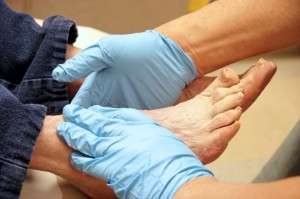
A bunion is a deformity involving lateral deviation of the big toe joint leading to pain and difficulty fitting shoes properly.
- Symptoms & contributing factors: Visible bump at base of big toe accompanied by redness or soreness; commonly linked to genetic predisposition or ill-fitting footwear.
- Diagnostic steps: Clinical inspection supported by X-rays evaluates degree of joint misalignment.
- Conservative treatments: Wearing wider shoes with padding offloads pressure points; orthotics realign force distribution; anti-inflammatory medications alleviate discomfort.
- Surgical options: Reserved for severe deformities impairing function where bone realignment procedures may be performed.
Addressing bunions early improves comfort significantly while helping avoid progression that might necessitate surgery.
WART REMOVAL (PLANTAR WARTS)
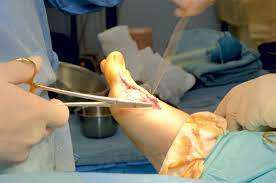
Plantar warts are small growths caused by human papillomavirus infection on weight-bearing areas of feet that can cause discomfort.
- Signs & transmission: Rough-textured lesions often painful when walking; spread through direct contact with virus in communal moist environments.
- Diagnostic approach: Visual assessment distinguishes warts from other lesions by characteristic black dots (clotted capillaries).
- Treatment methods: Cryotherapy (freezing), salicylic acid applications, laser therapy or minor surgical removal depending on severity.
- Post-treatment expectations: Multiple sessions may be necessary; healing includes gradual wart resolution without scarring.
- Prevention tips:Using protective footwear in public showers/pools reduces reinfection risk.
Timely treatment aids symptom relief while reducing contagion potential among household members.
FLATFOOT (PES PLANUS) SCREENING
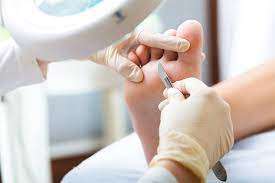
The condition known as flatfoot involves a lowered or absent arch which can affect gait mechanics. Early recognition allows for interventions that minimize discomfort or deformity progression.
- Main characteristics & causes: Collapsed medial arch visible on standing; congenital or acquired due to ligament laxity or muscle weakness.
- How it is diagnosed: Physical evaluation assessing arch height during weight-bearing; sometimes supplemented by imaging studies like X-rays.
- Treatment measures: Orthotic arch supports to improve alignment, physical therapy strengthening exercises tailored for foot muscles; Footwear modifications help distribute pressure evenly during activities.
INGROWN TOENAIL PREVENTION AND TREATMENT
An ingrown toenail occurs when nail edges grow into surrounding skin causing pain and possible infection. Early intervention minimizes discomfort and complications.
- Causative factors & symptoms: Improper nail trimming, tight footwear; redness, swelling, pain along nail border.
- Easily performed diagnosis: Clinical inspection revealing inflamed tissue near nail edge often with pus if infected.
- Treatment modalities: Soaking affected toe in warm water, appropriate trimming techniques, topical antibiotics if infection present; surgical removal may be required in recurrent or severe cases.
- Strategies to prevent recurrence: Proper nail cutting straight across avoiding curved edges; wearing comfortable shoes with roomy toe box.
Diligent foot hygiene combined with prompt care helps resolve symptoms rapidly while preventing future episodes.
PLANTAR FASCIITIS MANAGEMENT
Heel pain caused by inflammation of the plantar fascia is a frequent issue affecting mobility. Understanding this condition helps patients manage symptoms effectively.
- Symptoms & causes: Sharp heel pain typically worse in the morning or after rest; overuse or biomechanical stress are common triggers.
- Diagnostic process: Physical examination focusing on tenderness along the plantar fascia and ruling out other causes through imaging if needed.
- Treatment options: Stretching exercises, orthotic supports, anti-inflammatory medications, physical therapy, and in severe cases injections or surgery.
- Expected recovery: Most cases improve over weeks to months with consistent conservative care.
A comprehensive approach focused on symptom relief and addressing underlying mechanical factors can restore comfort and function.
DIABETIC FOOT CARE
Proper foot care is essential for individuals with diabetes to prevent serious complications. Diabetes can reduce blood flow and cause nerve damage, increasing the risk of foot ulcers and infections.
- Symptoms and causes: Numbness, tingling, or loss of sensation in feet due to neuropathy; poor circulation; skin changes.
- Diagnosis: Regular foot exams including sensory testing, vascular assessment, and skin inspections.
- Treatment and management: Daily foot hygiene, proper footwear selection, controlling blood sugar levels, and prompt care of any wounds or infections.
- Preventive strategies: Routine screenings for early signs of problems and patient education on self-care are critical.
Maintaining vigilant foot care in diabetes reduces the risk of ulcers and amputations, promoting long-term health.