
Dr Niharika Gill
About Me
Dr Niharika Gill
Internal Medicine
Biography
My Clinic
OPD Hours
| Tuesday | Morning | 10:00 AM | - | 02:00 PM |
| Evening | 06:00 PM | - | 09:00 PM | |
| Wednesday | Morning | 10:00 AM | - | 02:00 PM |
| Evening | 06:00 PM | - | 09:00 PM | |
| Thursday | Morning | 10:00 AM | - | 02:00 PM |
| Evening | 06:00 PM | - | 09:00 PM | |
| Friday | Morning | 10:00 AM | - | 02:00 PM |
| Evening | 06:00 PM | - | 09:00 PM | |
| Saturday | Morning | 10:00 AM | - | 02:00 PM |
| Evening | 06:00 PM | - | 09:00 PM | |
| Sunday | Morning | 10:00 AM | - | 02:00 PM |
| Evening | 06:00 PM | - | 09:00 PM | |
| Thursday | Morning | 10:00 AM | - | 02:00 PM |
| Evening | 06:00 PM | - | 09:00 PM |
Treatments
Specialised care and treatments offered
GASTROESOPHAGEAL REFLUX DISEASE (GERD) TREATMENT
Gastroesophageal reflux disease (GERD) occurs when stomach acid frequently flows back into the esophagus. This backward flow can irritate the lining of your esophagus leading to discomfort or damage over time if not treated adequately.
- Symptoms: A burning sensation in the chest (heartburn), regurgitation of food or sour liquid.
- Diagnosis: Your doctor may perform endoscopy or pH monitoring to assess acid levels in your esophagus.
- Treatment: Lifestyle modifications include weight loss and limited caffeine intake alongside prescription medications like PPIs.
- Surgery Considerations: If symptoms persist despite treatment, surgical options may be explored as well.
The goal in managing GERD is to alleviate symptoms while preventing potential damage to your esophagus—a critical aspect of promoting overall digestive health!
HYPERLIPIDEMIA TREATMENT
The presence of excessive lipids in the bloodstream characterizes hyperlipidemia. Elevated cholesterol levels increase the risk of heart disease significantly if left unaddressed.
- Causes: This includes poor diet, lack of physical activity, obesity, genetics, etc.
- Diagnosis: A lipid panel test measures the levels of different types of cholesterol in your blood.
- Treatment: Lifestyle modifications like diet changes combined with medications such as statins are commonly used.
- Regular Monitoring: You will need follow-up appointments to adjust treatment based on lipid levels over time.
This proactive management approach will enable individuals to achieve healthier cholesterol levels and reduce heart disease risk factors effectively.
CHRONIC OBSTRUCTIVE PULMONARY DISEASE (COPD) MANAGEMENT
COPD encompasses a group of lung diseases that obstruct airflow and makes breathing difficult. Chronic bronchitis and emphysema are common forms of this condition affecting millions worldwide.
- Main Causes: Long-term exposure to irritants such as cigarette smoke or air pollution.
ASTHMA MANAGEMENT
Asthma is a chronic respiratory condition that causes wheezing, shortness of breath, chest tightness, and coughing. While it cannot be cured, it can be effectively managed with proper care.
- Triggers: Allergens, smoke, exercise; understanding triggers is essential for effective management.
- Symptoms: Difficulties in breathing during physical activity or at night.
- Treatment Options: Inhalers (both rescue and maintenance), plus avoiding known triggers where possible.
- Disease Monitoring: Regular check-ups to assess lung function through spirometry tests.
A personalized asthma action plan can help patients control their symptoms effectively while maintaining an active lifestyle.
DIABETES MELLITUS MANAGEMENT
Diabetes Mellitus is a chronic condition characterized by high levels of sugar in the blood. It can lead to serious health issues if not properly controlled, requiring a comprehensive management plan.
- Types: Type 1 (insulin-dependent) and Type 2 (often lifestyle-related).
- Symptoms: Increased thirst, frequent urination, fatigue, blurred vision.
- Diagnosis: Blood glucose tests including fasting glucose and HbA1c testing.
- Treatment Options: Insulin therapy for Type 1; lifestyle changes and oral medications for Type 2 diabetes.
A tailored approach to managing diabetes can greatly enhance quality of life and minimize complications over time.
HYPERTENSION MANAGEMENT
Hypertension, or high blood pressure, is a common condition that can lead to severe health complications if not managed properly. This condition often presents without obvious symptoms, which makes regular monitoring essential.
- Symptoms: Often asymptomatic; some may experience headaches or nosebleeds.
- Diagnosis: Blood pressure readings taken at various intervals and possible additional tests like blood tests and ECG.
- Treatment Options: Lifestyle modifications such as diet and exercise, along with medications like ACE inhibitors or diuretics.
- Management: Regular follow-ups to monitor blood pressure levels and adjust treatment plans as necessary.
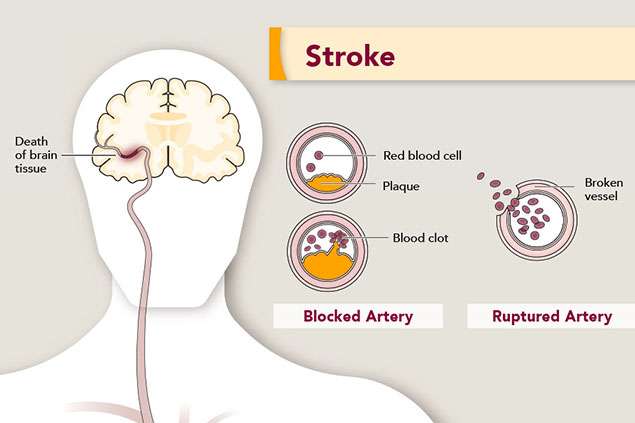
Effective management of hypertension is crucial to prevent long-term complications, including heart disease and stroke.