
Dr Niketa Sonavane
About Me
Dr Niketa Sonavane
Anesthesiologist
Biography
My Clinic
OPD Hours
| Tuesday | Morning | 10:00 AM | - | 02:00 PM |
| Evening | 06:00 PM | - | 09:00 PM | |
| Wednesday | Morning | 10:00 AM | - | 02:00 PM |
| Evening | 06:00 PM | - | 09:00 PM | |
| Thursday | Morning | 10:00 AM | - | 02:00 PM |
| Evening | 06:00 PM | - | 09:00 PM | |
| Friday | Morning | 10:00 AM | - | 02:00 PM |
| Evening | 06:00 PM | - | 09:00 PM | |
| Saturday | Morning | 10:00 AM | - | 02:00 PM |
| Evening | 06:00 PM | - | 09:00 PM | |
| Sunday | Morning | 10:00 AM | - | 02:00 PM |
| Evening | 06:00 PM | - | 09:00 PM | |
| Thursday | Morning | 10:00 AM | - | 02:00 PM |
| Evening | 06:00 PM | - | 09:00 PM |
Treatments
Specialised care and treatments offered
PAIN MANAGEMENT IN CANCER CARE
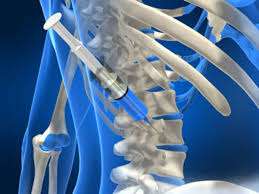
Pain related to cancer can significantly diminish quality of life; however, effective management techniques exist that focus on alleviating this distressing symptom. Patients should never feel alone in addressing their concerns!
- Understanding Cancer Pain: Cancer-related pain may arise from tumors pressing against organs or treatment side effects like surgery-induced discomfort; recognizing its source informs better intervention strategies.
- Diagnosis Strategies: Comprehensive assessments conducted by medical professionals consider both physiological aspects alongside psychological impact when developing individualized plans tailored specifically toward managing each patient's unique condition effectively!
- Management Techniques: Various approaches such as pharmacological agents combined with therapies aim at optimizing symptom relief whilst enhancing overall well-being through holistic measures that attend not only physical but emotional concerns!
A collaborative approach within oncology promotes understanding via regular dialogue enabling adaptive responses geared towards improving life quality amidst challenging circumstances!”
ANXIETY MANAGEMENT IN SURGICAL PATIENTS

Anxiety surrounding surgical procedures is common, yet it can be effectively managed through various strategies aimed at ensuring patient comfort. Addressing these concerns prior is crucial for optimal outcomes.
- Pre-operative Symptoms:Many individuals feel anxious about upcoming surgeries; identifying these feelings early allows healthcare providers to intervene appropriately.
- Evaluation Process:During pre-operative consultations, discussing fears openly facilitates tailored anxiety-reduction strategies aligned with the specifics of surgery planned.
- Management Approaches:Techniques may include relaxation exercises, guided imagery practices, or conscious sedation options that help soothe nerves before entering the surgical suite.
- Your Recovery Experience:Patients frequently report feeling calmer throughout their surgery when proactive measures address pre-existing anxieties effectively while receiving compassionate care from dedicated teams.
The emphasis on mental well-being fosters an environment where successful recoveries occur alongside emotional support!
POSTOPERATIVE PAIN CONTROL

The management of postoperative pain is vital for recovery after surgical procedures. Effective control can lead to shorter hospital stays and improved overall outcomes for patients.
- Pain Symptoms:: Post-surgery discomfort may be expected but managing it well allows for better mobility and reduces complications related to immobility.
SEDATION DENTISTRY

Sedation dentistry greatly enhances the dental experience for patients with anxiety or apprehension about procedures. This method aims to ensure comfort through safe sedation options.
- Anxiety Symptoms: Many patients exhibit nervousness before dental visits; sedation helps alleviate this apprehension effectively.
- Assessment Process: A medical assessment determines appropriate sedation levels tailored to each patient’s needs before any procedure.
- Treatment Methods: Options range from mild sedatives that keep patients awake yet relaxed to deeper sedation techniques allowing minimal awareness during treatment.
- Your Experience: Most patients report feeling relaxed throughout their procedure and may have little to no memory of the events afterward, contributing to a positive dental experience.
This approach not only improves outcomes but also encourages regular dental visits among those who previously avoided care due to fear or anxiety.
REGIONAL ANESTHESIA TECHNIQUES

Regional anesthesia plays a pivotal role in modern pain management. It provides targeted pain relief allowing for quicker recovery post-procedures or surgeries.
- Common Uses: Often employed during surgeries on limbs or the abdomen, helping reduce general anesthesia needs and improving patient comfort.
- Diagnosis: Indicated based on the type of surgery and individual patient factors; discussions with healthcare providers help determine suitability.
- Treatment Approach: Techniques like nerve blocks allow specific areas to be numbed while the patient remains awake or sedated comfortably.
- Expectations: Patients experience controlled pain levels during recovery with lower overall medication requirements post-operatively, reducing side effects associated with opioids.
This technique enhances patient satisfaction by promoting faster mobilization and reducing reliance on systemic medications.
CHRONIC PAIN MANAGEMENT

Chronic pain affects millions and can significantly impact quality of life. Understanding effective management options is crucial for improving daily functioning.
- Symptoms and Causes: Chronic pain can stem from various conditions such as arthritis, fibromyalgia, or nerve damage, manifesting as persistent discomfort.
- Diagnosis: Diagnosis involves a comprehensive evaluation including patient history, physical exams, and possibly imaging studies to identify underlying causes.
- Treatment Options: Management may include medication adjustments, physical therapy, psychological support, and lifestyle modifications to enhance coping mechanisms.
- Expectation: Patients can often achieve significant improvement in their symptoms with a customized approach that addresses both physical and emotional aspects of chronic pain.
A well-rounded approach to chronic pain management ensures patients can engage more fully in their everyday lives while maintaining a focus on wellness.