
Dr Nikhil Choudh
About Me
Dr Nikhil Choudh
Cardiologist
Biography
My Clinic
OPD Hours
| Monday | Morning | 10:00 AM | - | 02:00 PM |
| Evening | 06:00 PM | - | 09:00 PM | |
| Tuesday | Morning | 10:00 AM | - | 02:00 PM |
| Evening | 06:00 PM | - | 09:00 PM | |
| Wednesday | Morning | 10:00 AM | - | 02:00 PM |
| Evening | 06:00 PM | - | 09:00 PM | |
| Thursday | Morning | 10:00 AM | - | 02:00 PM |
| Evening | 06:00 PM | - | 09:00 PM | |
| Friday | Morning | 10:00 AM | - | 02:00 PM |
| Evening | 06:00 PM | - | 09:00 PM | |
| Saturday | Morning | 10:00 AM | - | 02:00 PM |
| Evening | 06:00 PM | - | 09:00 PM | |
| Sunday | Morning | 10:00 AM | - | 02:00 PM |
| Evening | 06:00 PM | - | 09:00 PM |
Treatments
Specialised care and treatments offered
PERIPHERAL ARTERY DISEASE

This circulatory condition occurs when narrowed arteries reduce blood flow primarily to the limbs. It is significant as it increases risks related both directly through limb ischemia but also indirectly via escalation towards cardiac events
- Key indicators present themselves as leg pain during activity (claudication) alongside potential numbness/coldness in affected areas
- Diagnosis generally begins after assessing patient history leading into non-invasive vascular imaging techniques assessing arterial narrowing overall
- Treatment could entail lifestyle alterations focusing heavily on smoking cessation followed potentially by pharmacological agents targeting lipid levels & platelet aggregation depending upon severity indicated evaluations
- Continued care emphasizes lifestyle adherence paired frequently including supervised rehabilitation programs structured around gradually boosting physical activity levels steadily
Effective peripheral artery disease management ultimately ensures better mobility whilst fostering proactive approaches safeguarding against further cardiovascular troubles arising down road!
CHOLESTEROL MANAGEMENT
Managing cholesterol levels plays a crucial role in cardiovascular health. High cholesterol can lead to plaque buildup in arteries which increases the risk of heart disease significantly over time.
- Main causes include poor diet high in saturated fats, sedentary lifestyle factors like lack of exercise contribute significantly too
- Some common symptoms might not manifest until significant damage has occurred; hence routine screening through blood tests becomes vital
- Treatment typically involves dietary changes aimed at increasing fiber intake while reducing unhealthy fats combined occasionally with statin medications when needed
- Monitoring progress through regular check-ups allows for timely adjustments in treatment plans based on individual responses
Taking steps towards maintaining healthy cholesterol levels are critical components that enhance overall well-being while reducing future cardiovascular risks dramatically.
ATRIAL FIBRILLATION
Atrial fibrillation is an irregular heartbeat that can lead to serious complications if left untreated. Patients may experience palpitations or feelings of fluttering in the chest along with an increased risk for stroke.
- The main symptom often identified is an irregular heartbeat; however, some patients remain asymptomatic until complications arise.
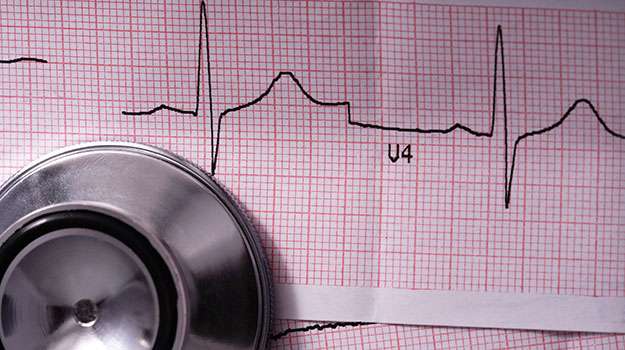
- Diagnosis typically occurs through electrocardiograms (ECGs) which help detect disturbances in heart rhythm accurately;
- Treatment options vary widely but may include anticoagulants to prevent strokes along with medications aimed at controlling heart rate or rhythm. In some cases, procedures like cardioversion might be recommended.
- The approach usually incorporates long-term management strategies focusing on reducing risks associated with atrial fibrillation while improving overall cardiovascular health
Caring for atrial fibrillation necessitates teamwork between patients and healthcare providers for optimal outcomes over time.
HEART FAILURE
A complex syndrome where the heart cannot pump effectively due to various underlying causes. Heart failure affects the body's ability to perform daily activities without undue fatigue or shortness of breath.
- Common symptoms include persistent coughing, difficulty breathing during rest or exertion, and swelling in the legs or abdomen due to fluid retention.
- A thorough assessment involving echocardiograms and cardiac MRI may be used for diagnosis alongside clinical evaluations of symptoms.
- Treatment often includes medication management—such as beta-blockers and ACE inhibitors—as well as lifestyle modifications like reducing salt intake and engaging in moderate exercise when guided by a physician.
- The goal of treatment is to enhance quality of life while managing symptoms effectively over time.
- Coping strategies may involve support groups for emotional assistance in dealing with this chronic condition.
Proper management can help those living with heart failure lead fulfilling lives despite their diagnosis.
CORONARY ARTERY DISEASE
This condition occurs when the coronary arteries become narrowed or blocked due to plaque buildup. It significantly impacts blood flow to the heart and is one of the leading causes of heart attacks.
- The primary symptoms include chest pain (angina), shortness of breath, and fatigue during physical activities.
- Diagnosis often involves stress tests, angiograms, or imaging studies to evaluate heart function and artery conditions.
- Treatment may encompass lifestyle changes like quitting smoking, dietary adjustments, medications such as statins, or surgical procedures such as angioplasty or bypass surgery.
- Management focuses on alleviating symptoms and preventing complications through a combination of medication and lifestyle choices.
- Persistent follow-up care is essential for monitoring progress and making necessary adjustments to treatment plans.
Coronary artery disease requires vigilant management; with timely intervention, patients can improve their heart health significantly.
HYPERTENSION
Hypertension, also known as high blood pressure, is a chronic condition that affects millions of individuals worldwide. It often develops over many years and can lead to serious health complications if not managed properly.
- Symptoms are commonly absent; however, some individuals may experience headaches, dizziness, or nosebleeds.
- Diagnosis is typically performed using a blood pressure cuff during regular check-ups, often accompanied by additional tests to assess overall cardiovascular health.
- Treatment options include lifestyle modifications such as diet changes and regular exercise, alongside medications like diuretics or ACE inhibitors.
- Management aims to maintain blood pressure within a healthy range and may involve ongoing monitoring.
- Patients can expect regular follow-ups to adjust treatments as needed based on their response and any potential side effects.
With effective management strategies, individuals with hypertension can lead normal and healthy lives while minimizing health risks.