
Dr Nikhil D. Kadam
About Me
Dr Nikhil D. Kadam
MBBS
Neurologist
14 Years Experience
Biography
My Clinic
OPD Hours
| Monday | Morning | 09:00 AM | ||
| Evening | 09:00 PM | |||
| Tuesday | Morning | 09:00 AM | ||
| Evening | 09:00 PM | |||
| Wednesday | Morning | 09:00 AM | ||
| Evening | 09:00 PM | |||
| Thursday | Morning | 09:00 AM | ||
| Evening | 09:00 PM | |||
| Friday | Morning | 09:00 AM | ||
| Evening | 09:00 PM |
Treatments
Specialised care and treatments offered
STROKE REHABILITATION

A stroke occurs when blood flow to an area of the brain is interrupted leading either temporary or permanent disability depending upon damage incurred during incident ; rehabilitation plays critical role following recovery phase .
- Symptoms : Sudden numbness / weakness on one side face arm leg ; confusion speaking / understanding speech ; trouble seeing out one/both eyes ; severe headache without preceding cause .
- Causes : Ischemic strokes happen due occluded arteries while hemorrhagic strokes occur due ruptured blood vessels carrying oxygenated blood ; common risk factors include hypertension high cholesterol smoking diabetes etc.
- Diagnosis : Prompt medical attention ensures appropriate diagnostic measures via CT MRI etc., assessing extent damage & type stroke suffered crucial rehab planning process thereafter.
- < STRON G>Treatment : Rehabilitation focuses restoring functionality through physical therapy occupational therapy speech-language therapy all tailored according individua l needs enabling optimal levels independence eventually.
- < STRON G > What To Expect:| Delays recovery timelines occur based numerous personal factors involved however collective approach enhances post-stroke outcomes significantly over time providing patient-centered pathways towards regain capabilities lost during event./< U L >
DEMENTIA
Dementia refers to a wide range of symptoms associated with a decline in cognitive function affecting memory, thinking skills, and social abilities severely enough to interfere with daily life. Early diagnosis is vital for effective interventions which help manage symptoms better。
- Symptoms: Memory loss that disrupts daily activities , difficulties completing tasks , confusion about time or place , problems recognizing family members .
- Causes: Dementia can arise from many conditions , including Alzheimer’s disease , vascular issues , Lewy body dementia , or result from head trauma .
- Diagnosis: Medical professionals use cognitive tests , medical history reviews , neuropsychological evaluations along with imaging studies like CT or MRI scans .
- Treatment: Management often includes medications that temporarily improve symptoms , support services that assist caregivers , and addressing co-existing health conditions .
- What to Expect: While there’s currently no cure for most types of dementia , timely care provides substantial support resulting in improved quality of life .
The complexity of dementia calls for compassionate care aimed at maintaining functional capacities while offering support systems for both patients & caregivers alike .
PARKINSON'S DISEASE
This progressive neurological disorder primarily affects movement control due to decreased dopamine production. Recognizing Parkinson's disease early allows for more effective management of its symptoms over time.
- Symptoms: Key indicators include tremors at rest, stiffness in limbs, slowness of movement (bradykinesia), and postural instability.
- Causes: The underlying causes are still being studied; genetic factors coupled with environmental exposures may contribute significantly.
MULTIPLE SCLEROSIS
This chronic disease affects the central nervous system by causing communication disruptions between the brain and the body. Understanding multiple sclerosis (MS) is crucial for early intervention and management strategies.
- Symptoms: Symptoms vary widely but may include fatigue, mobility issues, numbness or tingling in limbs, and cognitive challenges.
- Causes: The precise cause remains unknown; however, autoimmune conditions where the immune system attacks healthy tissue play a significant role in MS development.
- Diagnosis: Diagnosing MS typically involves neurological exams backed by MRI scans that reveal lesions on the brain or spinal cord.
- Treatment: While there’s no cure yet, various therapies are available including corticosteroids for flare-ups and disease-modifying therapies to slow progression.
A proactive approach to managing MS can aid in maintaining functionality and improving quality of life. Ongoing research continues to offer new hope for patients experiencing this condition.
EPILEPSY
This neurological condition involves recurring seizures due to abnormal brain activity. Epilepsy can affect anyone at any age and varies in severity; understanding it is key to managing symptoms effectively.
- Symptoms: Seizures can manifest in many ways including convulsions, unusual behavior, or loss of consciousness.
- Causes: Potential causes range from genetic factors to brain injury or infections that disrupt normal electrical activity in the brain.
- Diagnosis: A healthcare provider will usually conduct neurological exams alongside EEG tests or MRIs for accurate diagnosis.
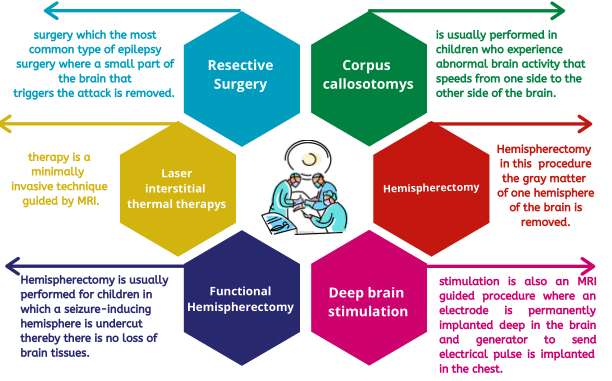
- Treatment: Antiepileptic medications are commonly prescribed; in some instances, surgery may be considered if medication proves ineffective.
- What to Expect: Many patients lead normal lives with effective management. Regular follow-ups ensure optimal treatment adjustments as necessary.
An individualized treatment plan is critical for controlling epileptic seizures and enhancing overall well-being. Always consult with your healthcare provider regarding specific concerns.
MIGRAINE
Migraine is a recurrent headache disorder characterized by intense, debilitating pain often accompanied by nausea, vomiting, and sensitivity to light and sound. These attacks can last from a few hours to several days and can significantly impact a person's quality of life.
- Symptoms: Common signs include throbbing pain, often on one side of the head, visual disturbances (aura), and sensitivity to sensory inputs.
- Causes: While the exact cause remains unclear, factors such as hormonal changes, certain foods, and stress are known triggers.
- Diagnosis: Diagnosis typically involves a medical history review and neurological exams; imaging tests may be conducted to rule out other conditions.
- Treatment: Management includes lifestyle changes, medication for acute attacks, and preventive treatments like antidepressants or anticonvulsants.
- What to Expect: With proper management plans, many individuals find their migraine frequency and intensity decrease significantly over time.
Effective management of migraines is essential for reclaiming daily life activities. Consult with a specialist to tailor an approach that suits individual needs.