
Dr Nikhil Datar
About Me
Dr Nikhil Datar
Obstetrician
Biography
My Clinic
OPD Hours
| Tuesday | Morning | 10:00 AM | - | 02:00 PM |
| Evening | 06:00 PM | - | 09:00 PM | |
| Wednesday | Morning | 10:00 AM | - | 02:00 PM |
| Evening | 06:00 PM | - | 09:00 PM | |
| Thursday | Morning | 10:00 AM | - | 02:00 PM |
| Evening | 06:00 PM | - | 09:00 PM | |
| Friday | Morning | 10:00 AM | - | 02:00 PM |
| Evening | 06:00 PM | - | 09:00 PM | |
| Saturday | Morning | 10:00 AM | - | 02:00 PM |
| Evening | 06:00 PM | - | 09:00 PM | |
| Sunday | Morning | 10:00 AM | - | 02:00 PM |
| Evening | 06:00 PM | - | 09:00 PM | |
| Thursday | Morning | 10:00 AM | - | 02:00 PM |
| Evening | 06:00 PM | - | 09:00 PM |
Treatments
Specialised care and treatments offered
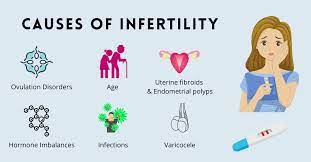
FERTILITY EVALUATION

A fertility evaluation helps couples understand underlying issues affecting their ability to conceive successfully. This is particularly important in today's world where factors affecting fertility seem prevalent. Getting assistance regarding
ECTOPIC PREGNANCY TREATMENT
An ectopic pregnancy occurs when a fertilized egg implants outside the uterus. This condition can pose serious health risks if not addressed promptly; understanding ectopic pregnancies, their signs, and treatment options is critical for all women planning pregnancies.
- Symptoms/Concerns:
POSTPARTUM CARE
The period following childbirth can be challenging both physically and emotionally. Postpartum care addresses the recovery process after delivery to support new mothers adequately.
- Sweating & Hormonal Changes: New mothers often deal with mood swings as hormone levels adjust post-delivery; this is normal but should be monitored closely.
- D Diagnosis:
HIGH-RISK PREGNANCY CARE
A high-risk pregnancy poses potential risks that require specialized attention from healthcare providers. If certain conditions are present before or during pregnancy, they fall under high-risk pregnancies.
- Symptoms/Concerns: Symptoms may vary based on underlying issues like pre-existing medical conditions or complications such as hypertension.
- Diagnosis: Comprehensive evaluations including blood tests, ultrasounds, and specialist referrals help assess risk factors.
- Treatment/Management: Customized care plans involving frequent check-ups aim to stabilize mother and baby's health throughout pregnancy.
- What to Expect: Increased monitoring may involve additional tests or consultations with specialists focused on mitigating risks associated with high-risk cases.
Caring for high-risk pregnancies demands teamwork between you and your healthcare team to ensure the best possible outcomes for both mother and child.
GESTATIONAL DIABETES MANAGEMENT
This condition develops during pregnancy when the body cannot produce enough insulin. Gestational diabetes can affect both mother and baby if not properly managed.
- Symptoms/Concerns: Often asymptomatic; however, some may experience excessive thirst or frequent urination.
- Diagnosis: A glucose tolerance test is performed between 24-28 weeks of pregnancy to identify elevated blood sugar levels.
- Treatment/Management: Dietary adjustments, physical activity, and sometimes insulin injections help control blood sugar levels effectively.
- What to Expect: Close monitoring will be required throughout the pregnancy with possible follow-up even after delivery for risk assessment.
Your overall health can significantly improve with appropriate management of gestational diabetes, fostering a healthy environment for your baby’s development.
PRENATAL CARE
Ensuring a healthy pregnancy is vital for both the mother and the developing baby. Prenatal care involves regular check-ups with a healthcare provider, allowing for monitoring of the mother's health and the growth of the fetus.
- Symptoms/Concerns: Expectant mothers may experience nausea, fatigue, and weight gain. It's important to discuss any unusual symptoms.
- Diagnosis: Healthcare providers perform blood tests, ultrasounds, and regular screenings to check for any complications.
- Treatment/Management: Proper nutrition, prenatal vitamins, exercise, and lifestyle modifications are recommended to ensure a healthy pregnancy.
- What to Expect: Regular visits will allow your doctor to monitor fetal development and maternal health closely.
Consistent prenatal care improves outcomes for both mother and child, providing essential support through each stage of pregnancy.