
Dr Nikhil Jadhav
About Me
Dr Nikhil Jadhav
Cardiologist
Biography
My Clinic
OPD Hours
| Tuesday | Morning | 10:00 AM | - | 02:00 PM |
| Evening | 06:00 PM | - | 09:00 PM | |
| Wednesday | Morning | 10:00 AM | - | 02:00 PM |
| Evening | 06:00 PM | - | 09:00 PM | |
| Thursday | Morning | 10:00 AM | - | 02:00 PM |
| Evening | 06:00 PM | - | 09:00 PM | |
| Friday | Morning | 10:00 AM | - | 02:00 PM |
| Evening | 06:00 PM | - | 09:00 PM | |
| Saturday | Morning | 10:00 AM | - | 02:00 PM |
| Evening | 06:00 PM | - | 09:00 PM | |
| Sunday | Morning | 10:00 AM | - | 02:00 PM |
| Evening | 06:00 PM | - | 09:00 PM | |
| Thursday | Morning | 10:00 AM | - | 02:00 PM |
| Evening | 06:00 PM | - | 09:00 PM |
Treatments
Specialised care and treatments offered
PACEMAKER INSERTION

A pacemaker insertion is often recommended for patients experiencing severe bradycardia (slow heart rate) that leads to significant symptoms like fatigue or syncope. This small device helps regulate heartbeat by sending electrical impulses when needed efficiently.
- Symptoms related to slow heart rates generally include dizziness, fainting spells, and chronic fatigue caused by inadequate blood flow.
- Diagnosis involves clinical evaluation combined with results from ECG tests demonstrating frequent pauses between beats.
- If indicated following evaluation processes suggested suitable timing for procedures depending upon patient circumstances; incorporating minimal sedation techniques ensures comfort throughout insertion.
- After placement procedures usually require brief overnight observation before resuming normal daily activities but always necessitate ongoing follow-up visits regularly assessing device function post-deployment continuing long-term management practices aligned specific patient needs.
Regular check-ins with your cardiologist will ensure optimal pacemaker settings supporting healthy cardiovascular outcomes long-term
STRESS TESTING
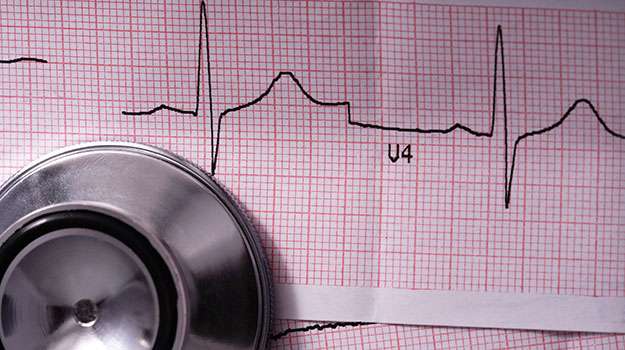
A stress test evaluates how well your heart performs under physical stress. It helps uncover issues related to blood flow in patients who may have symptoms suggestive of coronary artery disease or other cardiac conditions.
- You may experience fatigue or shortness of breath during controlled exercise conditions while being monitored closely by healthcare professionals.
- A typical stress test involves walking on a treadmill while ECG leads track your heart's electrical activity throughout different exertion levels.
- Your cardiologist will analyze both baseline readings and responses during stress phases for potential abnormalities in heart rhythm or signs indicating reduced blood supply through coronary arteries.
The results will enable informed discussion regarding lifestyle changes, medication management, or possible further investigations tailored specifically to your health profile.
HOLTER MONITOR
A Holter monitor is a portable device used for continuous monitoring of heart rhythms over 24-48 hours. This device helps capture abnormal electrical activity that might not appear during routine examinations or EKGs.
- This monitoring is commonly initiated if there are recurring issues like dizziness, palpitations, or unexplained fainting episodes.
- The test involves you wearing electrodes connected to a small recorder that tracks your heart rate continuously during daily activities.
- Your cardiologist will review the data collected to identify any irregularities such as arrhythmias or other cardiovascular issues that require further attention.
- This approach provides significant insight into intermittent symptoms, guiding targeted treatment plans moving forward.
The Holter monitor can play a crucial role in ensuring accurate diagnosis and effective management strategies over time.
CARDIAC CATHETERIZATION
This is an important diagnostic procedure that allows cardiologists to visualize the inside of the heart's chambers and blood vessels. Cardiac catheterization is primarily utilized to diagnose various forms of coronary artery disease.
- The procedure often reveals blockages causing symptoms such as angina, which may not be evident in other tests.
- A small catheter is inserted into a blood vessel, usually in the arm or groin, and guided to the heart under fluoroscopy.
- If blockages are found, additional interventions may occur during this same visit, including balloon angioplasty or stenting for immediate relief.
- This method offers quick recovery times with minimal discomfort compared to open-heart surgeries.
Cath procedures are pivotal for creating personalized treatment plans based on individual cardiovascular health needs.
ECHOCARDIOGRAM
An echocardiogram is a vital diagnostic tool used to assess the structure and function of the heart using sound waves. This non-invasive test helps in identifying various cardiac conditions early on.
- The most common indications for an echocardiogram are heart murmurs, suspected heart failure, or unexplained shortness of breath.
- The test provides real-time images allowing doctors to evaluate valve function, chamber sizes, and overall heart performance.
- Echocardiograms can be performed as a transthoracic or transesophageal study depending on clinical needs.
- The results help guide treatment decisions ranging from medication adjustments to recommendations for more invasive procedures if necessary.
This assessment is crucial for establishing a comprehensive understanding of your cardiac health.
CORONARY ANGIOPLASTY
Coronary angioplasty is a minimally invasive procedure aimed at restoring blood flow to the heart muscle. Often performed in cases of blocked coronary arteries, this treatment can significantly improve symptoms of heart disease.
- Symptoms of blocked arteries may include chest pain, shortness of breath, and fatigue.
- Diagnosis typically involves stress tests, imaging studies, and sometimes invasive coronary angiography.
- Treatment often includes angioplasty with or without stent placement, alongside lifestyle changes and medications.
- Patients can expect a relatively quick recovery due to the minimally invasive nature of the procedure.
- Regular follow-up care is essential to monitor heart health post-procedure.
This procedure can greatly enhance quality of life through improved heart function and decreased symptoms.