
Dr Nikhil Prabhu
About Me
Dr Nikhil Prabhu
General Physician
Biography
My Clinic
OPD Hours
| Tuesday | Morning | 10:00 AM | - | 02:00 PM |
| Evening | 06:00 PM | - | 09:00 PM | |
| Wednesday | Morning | 10:00 AM | - | 02:00 PM |
| Evening | 06:00 PM | - | 09:00 PM | |
| Thursday | Morning | 10:00 AM | - | 02:00 PM |
| Evening | 06:00 PM | - | 09:00 PM | |
| Friday | Morning | 10:00 AM | - | 02:00 PM |
| Evening | 06:00 PM | - | 09:00 PM | |
| Saturday | Morning | 10:00 AM | - | 02:00 PM |
| Evening | 06:00 PM | - | 09:00 PM | |
| Sunday | Morning | 10:00 AM | - | 02:00 PM |
| Evening | 06:00 PM | - | 09:00 PM | |
| Thursday | Morning | 10:00 AM | - | 02:00 PM |
| Evening | 06:00 PM | - | 09:00 PM |
Treatments
Specialised care and treatments offered
ALLERGIC REACTIONS
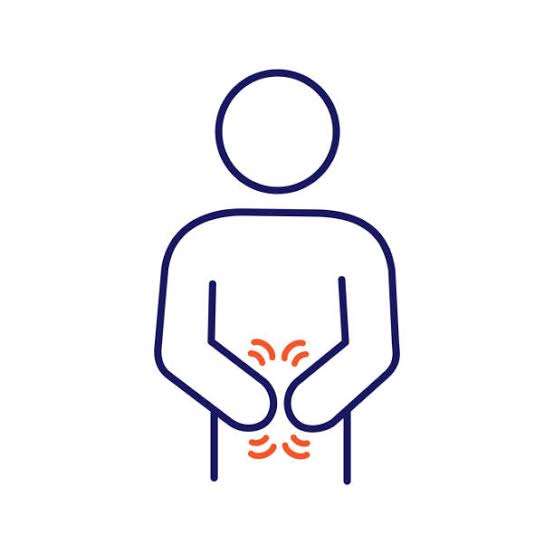
An allergic reaction occurs when the immune system overreacts to a substance (allergen) that is typically harmless. This can range from mild irritation to life-threatening anaphylaxis needing urgent care。.
- You should watch out for common symptoms, including hives, itching, nasal congestion or trouble breathing depending on severity..
- A careful review of your medical history combined with tests such as skin prick tests helps determine allergens involvedינסטreamz@;.treatment options? You bet! They aim at relieving symptoms using antihistamines or corticosteroids in more serious cases..if you'd like more info about potential allergens around town here'darooou recommend seeking guidance from your local general physician who specializes at this every day ._You deserve quick relief against allergies after all!
URINARY TRACT INFECTIONS (UTIS)

A urinary tract infection occurs when bacteria enter the urinary system. It can affect different parts such as the bladder or kidneys leading to various uncomfortable symptoms that require attention.
- The main symptoms include increased frequency of urination, burning sensation during urination, cloudy urine, and abdominal discomfort.
- A urinalysis is key for diagnosis alongside culture tests that help identify specific strains causing the infection.
- Treatment generally involves oral antibiotics which usually resolve symptoms within days; patients must complete the entire course even if they feel better sooner!
SKIN INFECTIONS

Skin infections can manifest due to bacteria entering through cuts or abrasions. These infections vary in severity but often require prompt treatment to prevent complications.
- The most frequent symptoms noted are redness, swelling, pain at the site of infection, and sometimes fever if systemic spread occurs.
- A healthcare professional typically conducts a physical examination along with cultures if necessary for proper identification of the infectious agent.
- Treatment may consist of topical antibiotics for mild cases or oral antibiotics for more extensive involvement; drainage may be necessary for abscesses.
- This type of infection can often be treated effectively when addressed early on with appropriate interventions.
Catching skin infections in their initial stages greatly enhances recovery prospects without significant complications.
HYPERTENSION MANAGEMENT
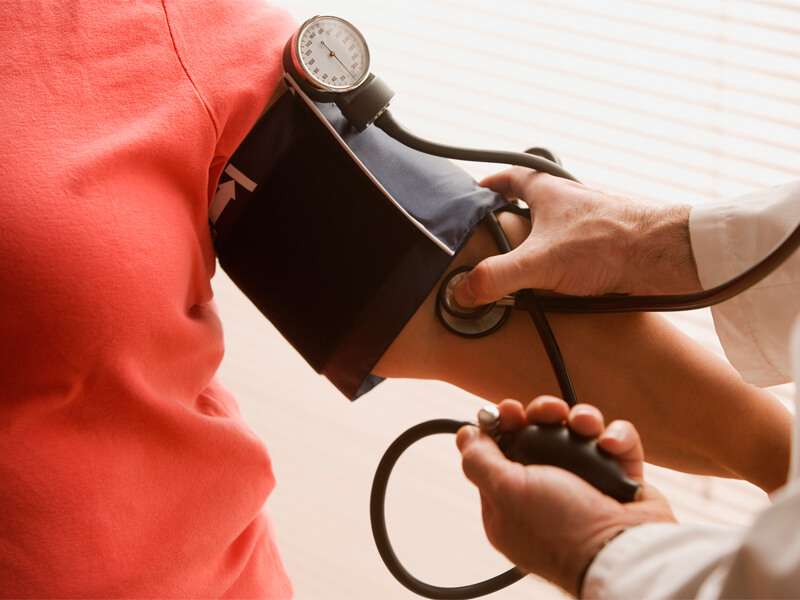
Hypertension, or high blood pressure, is often termed a silent killer due to its lack of obvious symptoms while significantly increasing the risk for heart disease and stroke. Regular monitoring is vital for people at risk.
- No clear symptoms are usually present; hence regular blood pressure checks are essential for detection.
- A thorough history-taking along with blood tests can aid in assessing underlying causes of elevated readings.
- Treatment options include lifestyle modifications such as improved diet and exercise; medications might be prescribed depending on severity.
- Persistent hypertension requires ongoing management to lower cardiovascular risk effectively.
Early intervention can lead to positive outcomes in managing this common yet serious condition.
GASTROENTERITIS
This condition involves inflammation of the stomach and intestines, frequently triggered by viral or bacterial infections. Gastroenteritis commonly leads to symptoms like diarrhea and vomiting.
- The primary symptoms include abdominal cramps, nausea, diarrhea, and fever.
- Diagnosis typically includes a physical examination and may involve sensitivity testing for specific pathogens in severe cases.
- Treatment focuses on hydration to prevent dehydration along with rest; anti-nausea or anti-diarrheal medications may be used as needed.
- Aspirin or non-steroidal anti-inflammatory drugs should generally be avoided unless recommended by a healthcare provider due to potential complications.
Persistently severe symptoms warrant immediate medical consultation for further assessment.
ACUTE RESPIRATORY INFECTIONS
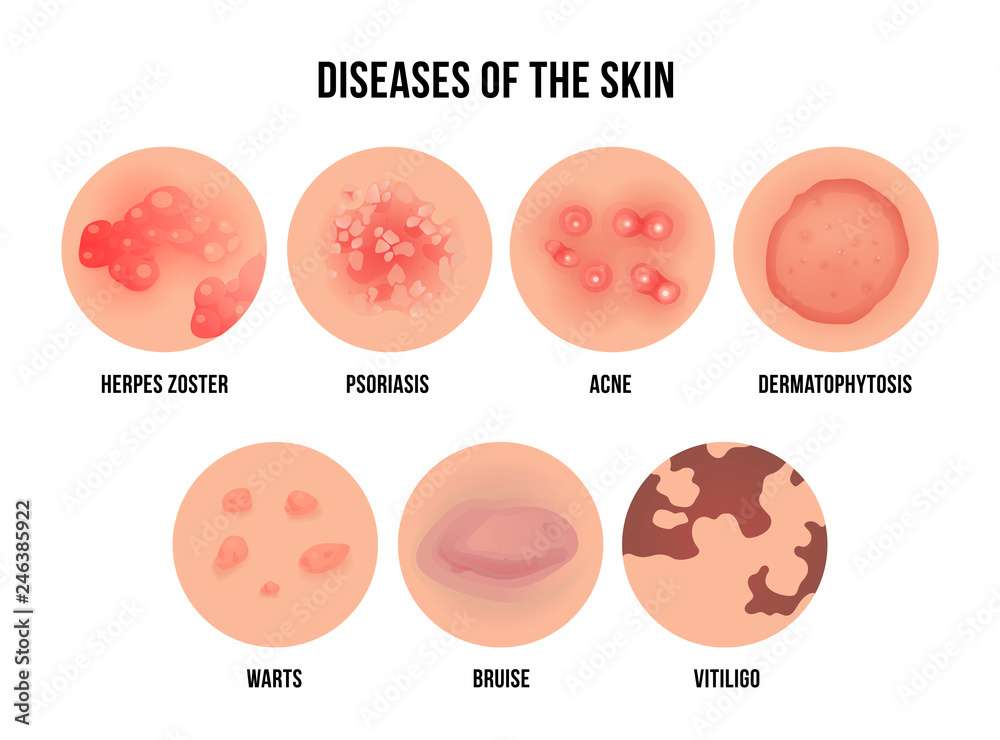
Acute respiratory infections refer to infections affecting the airways, including the nose, throat, and lungs. Commonly caused by viruses or bacteria, these conditions can arise suddenly and may range from mild colds to more severe illnesses like pneumonia.
- Symptoms typically include cough, sore throat, fever, and shortness of breath.
- A diagnosis is primarily made through clinical evaluation, considering recent exposure history and symptom duration.
- Treatment often involves rest, hydration, and over-the-counter medications; antibiotics may be prescribed if a bacterial infection is suspected.
- Patients should monitor their symptoms closely and seek medical attention if they worsen or do not improve.
Understanding these infections helps in early identification and management, reducing complications.