
Dr Nilesh Gautam
About Me
Dr Nilesh Gautam
Cardiologist
Biography
My Clinic
OPD Hours
| Tuesday | Morning | 10:00 AM | - | 02:00 PM |
| Evening | 06:00 PM | - | 09:00 PM | |
| Wednesday | Morning | 10:00 AM | - | 02:00 PM |
| Evening | 06:00 PM | - | 09:00 PM | |
| Thursday | Morning | 10:00 AM | - | 02:00 PM |
| Evening | 06:00 PM | - | 09:00 PM | |
| Friday | Morning | 10:00 AM | - | 02:00 PM |
| Evening | 06:00 PM | - | 09:00 PM | |
| Saturday | Morning | 10:00 AM | - | 02:00 PM |
| Evening | 06:00 PM | - | 09:00 PM | |
| Sunday | Morning | 10:00 AM | - | 02:00 PM |
| Evening | 06:00 PM | - | 09:00 PM | |
| Thursday | Morning | 10:00 AM | - | 02:00 PM |
| Evening | 06:00 PM | - | 09:00 PM |
Treatments
Specialised care and treatments offered
PERIPHERAL ARTERY DISEASE

This circulatory condition results from narrowed arteries reducing blood flow primarily to limbs. It demands attention due to potential complications!
- Sufferers often experience leg pain when walking (claudication), resulting frequently in mobility limitations over time due to inadequate blood supply during activity periods!
- Doppler ultrasound serves as a valuable diagnostic tool assessing blood flow quality within affected areas alongside patient history evaluations regarding symptoms experienced regularly!
- Treatment options may range from medications aimed at improving circulation through lifestyle modifications all aimed at enhancing overall vascular health & preventing further risk factors linked with CAD development over time too!
CORONARY ARTERY DISEASE
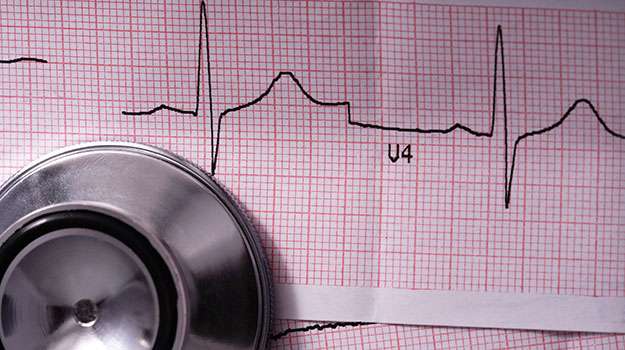
This common form of heart disease arises from plaque buildup in coronary arteries. It's essential to grasp its implications for timely intervention!
- The condition typically manifests through symptoms such as chest pain (angina), fatigue during exertion, or even shortness of breath upon activity.
- Your healthcare provider may conduct several tests including stress tests and angiography to gauge artery blockage levels effectively!
- Treatment strategies might include lifestyle modifications alongside medications like statins or surgical interventions like coronary artery bypass grafting (CABG).
Pursuing a proactive approach regarding coronary health will lead you toward better outcomes!
STROKE MANAGEMENT
A stroke occurs when blood flow to part of the brain is interrupted or reduced. Rapid intervention is critical to minimizing brain damage and improving recovery potential!
- Common symptoms include sudden numbness in one side of the body, confusion, difficulty speaking or understanding speech, and severe headache.
- The diagnosis typically involves immediate imaging studies like CT scans or MRIs alongside neurological assessments by specialists.
- Treatment protocols depend on whether it's an ischemic or hemorrhagic stroke; options range from thrombolytics for ischemic stroke to surgical interventions for hemorrhagic types.
- A comprehensive rehabilitation program post-stroke can significantly aid recovery through physical therapy and speech rehabilitation efforts.
If you suspect someone is having a stroke, remember: every minute counts! Seek urgent medical assistance!
HEART FAILURE
Heart failure is a chronic condition where the heart struggles to pump enough blood to meet the body's needs. It requires comprehensive management strategies for optimal care.
- Main symptoms include persistent cough, fatigue, swelling in legs or abdomen due to fluid retention.
- A thorough evaluation including x-rays, echocardiograms, and laboratory tests help determine the type of heart failure present.
- Treatment usually involves medications such as ACE inhibitors, diuretics, and beta-blockers tailored to each individual’s needs.
- Lifestyle adjustments—like sodium restriction and smoking cessation—alongside regular follow-ups are essential for effective disease management.
Persistent monitoring and collaboration with healthcare providers play crucial roles in improving quality of life for patients suffering from this condition.
ATRIAL FIBRILLATION
Atrial fibrillation (AFib) is an irregular heartbeat that can lead to stroke and other heart-related complications if left untreated. Understanding this condition is essential for effective management.
- The primary symptom includes an irregular heartbeat, which may feel like fluttering in the chest or palpitations.
- Your doctor may use an electrocardiogram (ECG) to confirm the diagnosis along with monitoring your symptoms over time.
- Treatment can involve medications such as blood thinners, antiarrhythmics or procedures like cardioversion.
- Lifestyle changes including weight management and regular physical activity are vital components of managing AFib.
Efficacious treatment ensures that individuals with AFib can maintain a healthy lifestyle while reducing associated health risks.
MYOCARDIAL INFARCTION
Myocardial infarction, commonly known as a heart attack, occurs when blood flow to the heart is severely reduced or blocked. This interruption in blood supply can cause damage to the heart muscle if not treated promptly.
- Symptoms often include chest pain, shortness of breath, and discomfort in the arms, back, neck, jaw or stomach.
- Diagnosis typically involves electrocardiograms (ECGs), blood tests, and imaging studies to assess heart function and damage.
- Treatment options may include medications such as aspirin, thrombolytics, or interventions like angioplasty and stenting.
- Post-treatment management often includes lifestyle changes like diet modification and regular exercise.
Recognizing the signs of a heart attack early can be life-saving. Immediate medical attention is crucial for effective recovery.