
Dr Nimit C Shah
About Me
Dr Nimit C Shah
Cardiologist
Biography
My Clinic
OPD Hours
| Tuesday | Morning | 10:00 AM | - | 02:00 PM |
| Evening | 06:00 PM | - | 09:00 PM | |
| Wednesday | Morning | 10:00 AM | - | 02:00 PM |
| Evening | 06:00 PM | - | 09:00 PM | |
| Thursday | Morning | 10:00 AM | - | 02:00 PM |
| Evening | 06:00 PM | - | 09:00 PM | |
| Friday | Morning | 10:00 AM | - | 02:00 PM |
| Evening | 06:00 PM | - | 09:00 PM | |
| Saturday | Morning | 10:00 AM | - | 02:00 PM |
| Evening | 06:00 PM | - | 09:00 PM | |
| Sunday | Morning | 10:00 AM | - | 02:00 PM |
| Evening | 06:00 PM | - | 09:00 PM | |
| Thursday | Morning | 10:00 AM | - | 02:00 PM |
| Evening | 06:00 PM | - | 09:00 PM |
Treatments
Specialised care and treatments offered
VALVULAR HEART DISEASE

This condition involves damage or a defect in one of the four valves in your heart: aortic, mitral, pulmonary & tricuspid valves. The problem can impact how efficiently your heart pumps blood throughout your body leading potentially down serious health paths without intervention over time!
- You might experience symptoms including fatigue easily upon exertion followed by swelling in legs/ankles due fluid accumulation later on indicating advanced stages present needing prompt assessment medical approach needed along excessive heartbeat irregularities noted from initial phase too!
CORONARY ARTERY DISEASE
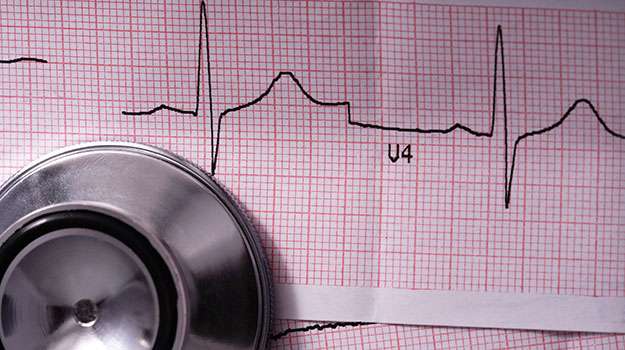
This common form of heart disease develops when cholesterol deposits build up in coronary arteries. This buildup narrows the arteries over time leading to reduced blood flow to the heart muscle itself which could result in serious consequences including a potential heart attack if left untreated.
- Typical symptoms may encompass chest pain during exertion (angina), fatigue, or even unexpected shortness of breath when active or at rest depending upon severity of blockage present in arteries.
- A definitive diagnosis utilizes techniques such as cardiac stress testing combined with imaging studies such as angiography to visualize arterial blockages directly.
- Treatment plans generally combine lifestyle modifications together with medications aimed at controlling risk factors; surgical options could be considered based on individual assessments during consultations by healthcare providers for effective restoration of healthy blood flow if necessary.'
Caring for coronary artery disease necessitates ongoing monitoring along with supportive therapies tailored specifically towards improving overall cardiac function while reducing risk exposure effectively over time!
HYPERTENSION CRISIS
A hypertensive crisis occurs when blood pressure readings are exceedingly high (typically above 180/120 mmHg), which could lead to significant health risks if not managed urgently. Understanding this condition is vital for preventing long-term damage.
- Symptoms associated with a hypertensive crisis might include severe headache, vision problems, shortness of breath, nosebleeds, and anxiety among others.
- This serious condition is often diagnosed through consistent blood pressure measurements alongside symptoms presented during clinical evaluation.
- Treatment usually requires immediate medical attention using intravenous medications to lower blood pressure safely; long-term management may involve oral antihypertensive drugs alongside lifestyle adjustments like diet changes and increased physical activity.
Taking action quickly can dramatically reduce risks associated with elevated blood pressure levels and support long-term health recovery strategies.
ARRHYTHMIA
An arrhythmia refers to any change from the normal sequence of electrical impulses in the heart that can cause it to beat too fast, too slow, or irregularly. This variation can lead to serious complications if not addressed properly.
- Common signs include palpitations, dizziness, fainting spells, and sometimes chest discomfort or shortness of breath.
- A thorough evaluation usually includes an electrocardiogram (ECG), Holter monitor test over 24 hours or more for continuous tracking of heart rhythms.
- Treatment approaches vary and may consist of medications like antiarrhythmics along with lifestyle modifications; some patients might require catheter ablation or implantable devices like pacemakers for regulation purposes.
A proactive approach towards managing arrhythmias is critical for maintaining overall cardiovascular health and preventing future complications.
CONGESTIVE HEART FAILURE
Congestive heart failure (CHF) is a chronic progressive condition that affects the pumping power of your heart muscles. It can result from various underlying health issues but typically indicates that the heart is unable to supply sufficient blood to meet the body’s needs.
- Symptoms often include fatigue, swollen legs, rapid heartbeat, and persistent cough or wheezing.
- The diagnosis can be confirmed by a combination of physical examinations, imaging tests like echocardiograms, and lab tests measuring specific markers in the blood.
- Treatment strategies may involve medications such as ACE inhibitors, diuretics, and beta-blockers; some patients might require device therapy or surgery depending on severity.
- Your care will also emphasize lifestyle adjustments including dietary changes and exercise tailored to your condition.
A comprehensive management plan aims to improve quality of life while preventing hospitalizations.
ACUTE MYOCARDIAL INFARCTION
Acute myocardial infarction, commonly known as a heart attack, occurs when blood flow to the heart is blocked for an extended period. This interruption can damage or destroy the heart muscle.
- Symptoms may include chest pain, shortness of breath, nausea, and sweating.
- The condition is typically diagnosed through electrocardiograms, blood tests (to detect cardiac enzymes), and imaging studies.
- Treatment options include medications like antiplatelets, thrombolytics, and procedures such as angioplasty or coronary artery bypass surgery.
- Management of acute myocardial infarction involves lifestyle changes along with continuous monitoring post-hospitalization.
Prompt treatment is essential to improve outcomes and minimize heart damage.