
Dr Niraj Mahajan
About Me
Dr Niraj Mahajan
Anesthesiologist
Biography
My Clinic
OPD Hours
| Tuesday | Morning | 10:00 AM | - | 02:00 PM |
| Evening | 06:00 PM | - | 09:00 PM | |
| Wednesday | Morning | 10:00 AM | - | 02:00 PM |
| Evening | 06:00 PM | - | 09:00 PM | |
| Thursday | Morning | 10:00 AM | - | 02:00 PM |
| Evening | 06:00 PM | - | 09:00 PM | |
| Friday | Morning | 10:00 AM | - | 02:00 PM |
| Evening | 06:00 PM | - | 09:00 PM | |
| Saturday | Morning | 10:00 AM | - | 02:00 PM |
| Evening | 06:00 PM | - | 09:00 PM | |
| Sunday | Morning | 10:00 AM | - | 02:00 PM |
| Evening | 06:00 PM | - | 09:00 PM | |
| Thursday | Morning | 10:00 AM | - | 02:00 PM |
| Evening | 06:00 PM | - | 09:00 PM |
Treatments
Specialised care and treatments offered
PREOPERATIVE ASSESSMENT
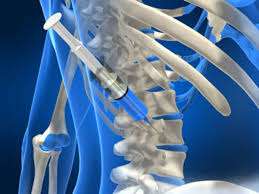
A thorough preoperative assessment evaluates a patient's health status before undergoing planned surgeries. Understanding individual health factors helps inform anesthetic choices that ensure safety during procedures.
INTRAVENOUS (IV) SEDATION

This form of sedation uses intravenous medication administration to provide rapid onset of relaxation and amnesia during procedures. IV sedation is particularly useful when quick action is necessary for patient comfort.
PAIN MANAGEMENT TECHNIQUES

Pain management techniques in anesthesiology aim to alleviate postoperative discomfort through various methods tailored to individual needs. Effective management significantly enhances recovery quality following surgery.
- Symptoms/Indications: Patients may experience varying levels of discomfort post-surgery; appropriate intervention strategies are critical based on pain intensity.
- Diagnosis: Comprehensive evaluation includes assessing baseline pain levels and identifying specific needs based on surgical factors.
- Treatment/Management: Options range from local analgesics at incision sites to systemic medications; developing a personalized plan is vital for efficacy.
- What to Expect:
SEDATION TECHNIQUES

Sedation techniques involve administering medications that relax patients and reduce anxiety during minor surgical procedures. This allows for a more comfortable experience without full unconsciousness.
- Symptoms/Indications: Indicated for procedures like endoscopies or dental work where anxiety might hinder cooperation.
- Diagnosis: Evaluations focus on patient's anxiety levels and previous experiences with sedation during medical visits.
- Treatment/Management: Sedatives can be given orally or intravenously based on individual patient needs; monitoring vital signs throughout ensures safety.
- What to Expect: While most patients feel relaxed, some might have slight memory loss from the procedure itself once sedation wears off.
This approach is especially beneficial in creating a calm environment for procedures that might otherwise seem daunting.
REGIONAL ANESTHESIA

Regional anesthesia involves targeting specific areas of the body to block pain during surgical procedures. This approach can provide effective pain relief while allowing patients to remain awake or mildly sedated.
- Symptoms/Indications: It’s often used for surgeries on limbs or lower body parts, where localized pain control is essential.
- Diagnosis: Evaluation includes reviewing the patient's medical history and determining the areas requiring anesthesia.
- Treatment/Management: Techniques such as epidurals or nerve blocks deliver anesthetics to specific nerves, reducing sensation in targeted areas.
- What to Expect: Patients may experience minimal discomfort during the injection but can expect improved pain management with quicker recovery times post-surgery.
This method enhances comfort and speeds up postoperative recovery by minimizing systemic effects associated with general anesthesia.
GENERAL ANESTHESIA

General anesthesia is a medically induced state that allows patients to undergo surgical procedures without awareness or sensation. This technique is essential for surgeries that would otherwise be too painful or traumatic for the patient.
- Symptoms/Indications: Patients typically require general anesthesia for major surgeries, injuries, or conditions requiring extensive procedures.
- Diagnosis: Preoperative assessments involving medical history, physical examinations, and discussions regarding medications help determine the necessity of general anesthesia.
- Treatment/Management: The anesthesiologist administers a combination of inhaled gases and intravenous drugs to induce unconsciousness prior to surgery.
- What to Expect: Post-surgery effects may include grogginess, confusion, or nausea. These effects typically resolve quickly as the anesthetic wears off.
The safe administration of general anesthesia is pivotal in maintaining patient comfort and ensuring optimal surgical outcomes.