
Dr Nirmal Gandhi
About Me
Dr Nirmal Gandhi
MBBS
Cardiologist
10 Years Experience
Biography
My Clinic
OPD Hours
| Monday | Morning | 10:00 AM | - | 02:00 PM |
| Evening | 06:00 PM | - | 09:00 PM | |
| Tuesday | Morning | 10:00 AM | - | 02:00 PM |
| Evening | 06:00 PM | - | 09:00 PM | |
| Wednesday | Morning | 10:00 AM | - | 02:00 PM |
| Evening | 06:00 PM | - | 09:00 PM | |
| Thursday | Morning | 10:00 AM | - | 02:00 PM |
| Evening | 06:00 PM | - | 09:00 PM | |
| Friday | Morning | 10:00 AM | - | 02:00 PM |
| Evening | 06:00 PM | - | 09:00 PM | |
| Saturday | Morning | 10:00 AM | - | 02:00 PM |
| Evening | 06:00 PM | - | 09:00 PM | |
| Sunday | Morning | 10:00 AM | - | 02:00 PM |
| Evening | 06:00 PM | - | 09:00 PM |
Treatments
Specialised care and treatments offered
PEDIATRIC ARRHYTHMIAS

Pediatric arrhythmias refer to abnormal heart rhythms occurring in children which can range from harmless extrasystoles to life-threatening tachycardias. Early identification helps guide appropriate intervention preventing sudden complications during growth phases.
- Affected children might show palpitations complaints unexplained syncope irritability lethargy depending on arrhythmia severity type presence associated structural abnormalities
- Diagnosis involves electrocardiography Holter monitoring event recorders alongside possible electrophysiological studies if indicated .
- Management ranges from observation in benign conditions pharmacotherapy such as beta-blockers antiarrhythmic agents catheter ablation procedures , pacing devices installation depending on case specifics .
- Prognosis tends strong favorable form many benign adolescent onset arrhythmias but requires continuous cardiologic surveillance balancing treatment benefits risks .
Awareness regarding pediatric arrhythmias empowers families caregivers through education reassurance facilitating timely consultation specialized care so child’s well-being remains optimal .
HYPERTENSION MANAGEMENT
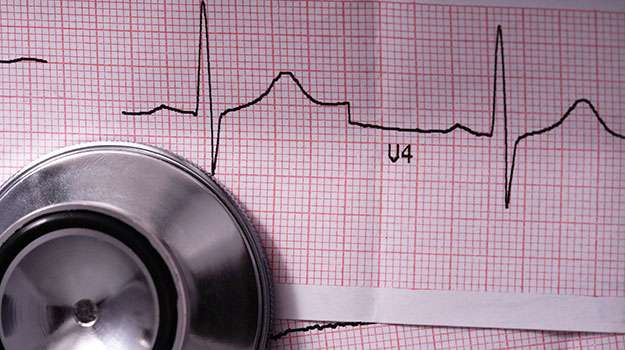
High blood pressure is a common cardiovascular disorder that increases strain on arterial walls and can lead to serious complications if left unchecked. Proper management is key in preventing damage over time.
- Easily asymptomatic initially but may cause headaches or visual disturbances when severe; regular screening detects elevated readings early on.
- The diagnosis depends on consistent BP measurements above guideline thresholds taken across multiple visits under proper technique conditions.
- Lifestyle interventions such as reducing salt intake, maintaining healthy weight, exercising regularly, quitting smoking are foundational treatments alongside antihypertensive medications when needed.
- Molecules targeted by drug classes include ACE inhibitors, calcium channel blockers, diuretics among others tailored individually based on patient profile tolerability and comorbidities presence.'
HEART FAILURE
Heart failure occurs when the heart cannot pump blood effectively enough to meet bodily needs. This may develop gradually or suddenly due to underlying cardiac conditions impairing muscle function.
- Symptoms typically involve persistent shortness of breath, swelling in legs or abdomen, fatigue, and reduced exercise tolerance.
- The condition is diagnosed through clinical evaluation supported by imaging such as echocardiography and measurement of biomarkers like BNP levels.
- Treatment includes medications like ACE inhibitors, diuretics, beta-blockers plus lifestyle adjustments including sodium restriction and fluid management.
- Advanced therapies involving implantable devices or even transplantation may be considered for severe cases unresponsive to medical treatment.
Prompt recognition coupled with comprehensive care improves quality of life and survival rates among those living with heart failure challenges.
CORONARY ARTERY DISEASE
This condition arises when plaques build up in the coronary arteries supplying the heart muscle with blood. The narrowing limits oxygen delivery, potentially causing chest pain or heart attacks.
- Patients often experience angina (chest discomfort), shortness of breath, or fatigue during exertion due to reduced cardiac blood flow.
- The diagnosis uses non-invasive stress tests along with coronary angiography when warranted for definitive visualization of blockages.
- Treatment focuses on lifestyle changes such as diet improvement and exercise combined with medications like statins, antiplatelets, or beta-blockers.
- In some cases, interventional procedures like angioplasty with stenting or bypass surgery are necessary to restore adequate circulation.
- Lifelong follow-up ensures risk factor control and monitors heart function stability post-treatment.
Awareness about coronary artery disease allows patients to actively participate in modifying risk factors and adhering to therapeutic options designed to preserve heart health.
ATRIAL FIBRILLATION
Atrial fibrillation (AFib) is an irregular and often rapid heart rhythm that can lead to blood clots, stroke, and other heart-related complications. It results from disorganized electrical signals in the atria of the heart.
- Common symptoms include palpitations, dizziness, shortness of breath, and fatigue; some cases may be asymptomatic.
- Diagnosis involves ECG monitoring and sometimes ambulatory Holter devices to capture irregular rhythms over time.
- Treatment strategies focus on controlling heart rate or restoring normal rhythm using medications, cardioversion procedures, or ablation therapy.
- Anticoagulant drugs are frequently prescribed to reduce stroke risk associated with AFib.
- Lifestyle modifications such as reducing alcohol intake and managing stress are also recommended alongside medical therapy.
Effective management of atrial fibrillation reduces symptoms and lowers risks of serious vascular events through individualized treatment plans.
CONGENITAL HEART DEFECTS
Congenital heart defects are structural problems with the heart present from birth. These abnormalities can affect how blood flows through the heart and to the rest of the body, potentially causing significant health concerns if untreated.
- Symptoms may include rapid breathing, cyanosis (bluish skin), fatigue, or poor growth in infants.
- Diagnosis is typically conducted using imaging techniques such as echocardiograms, chest X-rays, and sometimes cardiac MRI.
- Treatment can range from careful monitoring for mild defects to medications or surgical interventions like device closure or open-heart surgery for more severe cases.
- Regular follow-up care is important to assess heart function and prevent complications over time.
- Early detection improves outcomes by allowing timely management tailored to the defect type and severity.
Understanding congenital heart defects helps patients and families prepare for ongoing care needs while optimizing long-term cardiovascular health.