
Dr Nirmal Jain
About Me
Dr Nirmal Jain
Cardiologist
Biography
My Clinic
OPD Hours
| Tuesday | Morning | 10:00 AM | - | 02:00 PM |
| Evening | 06:00 PM | - | 09:00 PM | |
| Wednesday | Morning | 10:00 AM | - | 02:00 PM |
| Evening | 06:00 PM | - | 09:00 PM | |
| Thursday | Morning | 10:00 AM | - | 02:00 PM |
| Evening | 06:00 PM | - | 09:00 PM | |
| Friday | Morning | 10:00 AM | - | 02:00 PM |
| Evening | 06:00 PM | - | 09:00 PM | |
| Saturday | Morning | 10:00 AM | - | 02:00 PM |
| Evening | 06:00 PM | - | 09:00 PM | |
| Sunday | Morning | 10:00 AM | - | 02:00 PM |
| Evening | 06:00 PM | - | 09:00 PM | |
| Thursday | Morning | 10:00 AM | - | 02:00 PM |
| Evening | 06:00 PM | - | 09:00 PM |
Treatments
Specialised care and treatments offered
IMPLANTABLE CARDIOVERTER-DEFIBRILLATOR (ICD) PLACEMENT

An implantable cardioverter-defibrillator (ICD) is essential for individuals at high risk for sudden cardiac arrest due particularly dangerous arrhythmias. This device continuously monitors heart rhythms ensuring immediate intervention whenever dangerous patterns emerge proactively preserving life expectancy
ELECTROPHYSIOLOGY STUDIES
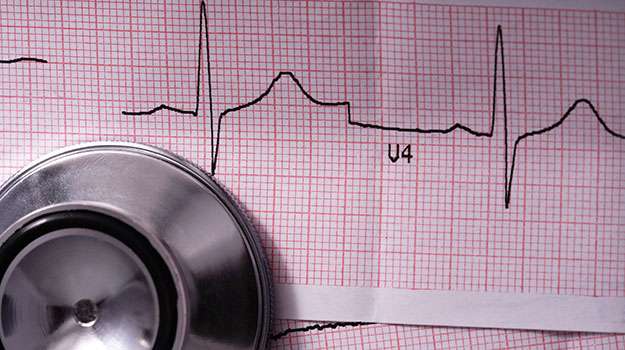
This diagnostic process allows cardiologists to assess complex arrhythmias by mapping electrical signals within the heart. Understanding these patterns aids in pinpointing areas contributing to irregular heartbeats effectively and safely.
- Sufferers may present with symptoms like rapid heartbeat (tachycardia), unexplained fainting spells (syncope), or episodes of dizziness due to poor circulation caused by arrhythmias.
- A comprehensive evaluation incorporating EKGs along with Holter monitors leads towards determining if electrophysiological studies are warranted based on symptomatology observed over time during routine evaluations
TRANSCATHETER AORTIC VALVE REPLACEMENT (TAVR)
TAVR is an innovative procedure used primarily for patients with severe aortic stenosis who are at high risk for traditional surgical approaches. This less invasive option facilitates quicker recovery while effectively enhancing cardiac function.
- Typical symptoms include severe shortness of breath on exertion, chest pain, and feelings of faintness during everyday activities.
- A thorough evaluation including echocardiography helps in diagnosing the need for this intervention based on valve severity and patient health status.
- The technique allows delivery of a new valve via catheterization instead of open-heart surgery; thus minimizing complications associated with invasive procedures for these high-risk individuals.
- The recovery process generally is swift compared to conventional surgery enabling many patients to return home within days post-procedure.
This advanced technique has transformed care options for this challenging patient population by dramatically improving their quality of life.
ATRIAL FIBRILLATION ABLATION
Atrial fibrillation ablation is an advanced treatment aimed at correcting irregular heart rhythms. It targets areas in the heart causing erratic electrical signals that can lead to strokes or heart failure if left untreated.
- The primary symptoms include palpitations, weakness, dizziness, and chest discomfort that often disrupt daily activities.
- Diagnosis involves an examination of medical history along with tests such as Holter monitors and electrophysiological studies.
- The management includes catheter-based techniques that either destroy problematic tissue or isolate triggers from the rest of the heart activity through radiofrequency energy.
- A successful procedure can reduce or eliminate symptoms, leading to improved cardiac function over time for many patients.
This approach offers significant relief for chronic atrial fibrillation sufferers who have not responded well to medications alone.
HEART VALVE SURGERY
Heart valve surgery addresses conditions affecting the heart's valves, which can hinder proper blood flow. These procedures are vital for treating issues like stenosis or regurgitation to maintain overall heart health.
- Common symptoms include fatigue, dizziness, palpitations, and heart murmurs that may require further investigation.
- The diagnosis typically involves echocardiograms, electrocardiograms (EKG), and sometimes cardiac catheterization.
- Treatment options vary from valve repair to replacement using mechanical or biological valves depending on the severity of the condition.
- Post-surgery, patients will undergo rehabilitation and regular follow-ups to monitor their recovery and valve function.
The restoration of normal valve function greatly enhances patients' quality of life and reduces complications associated with valve diseases.
CORONARY ANGIOPLASTY
Coronary angioplasty is a minimally invasive procedure aimed at opening narrowed or blocked coronary arteries, restoring blood flow to the heart. This is crucial for preventing heart attacks and improving patient quality of life.
- Symptoms may include chest pain (angina), shortness of breath, and fatigue, often worsening with exertion.
- The condition is diagnosed through various methods such as stress tests, echocardiograms, or coronary angiograms that visualize the arteries.
- Treatment involves inserting a balloon catheter to widen the artery, often followed by the placement of a stent to keep it open.
- Patients can expect a brief recovery period with close monitoring in a hospital setting before returning home.
This procedure has high success rates and significantly improves outcomes for patients suffering from coronary artery disease.