
Dr Nisha gaur
About Me
Dr Nisha gaur
MD
Nephrologist
10 Years Experience
Biography
My Clinic
OPD Hours
| Monday | Morning | 10:00 AM | - | 02:00 PM |
| Evening | 06:00 PM | - | 09:00 PM | |
| Tuesday | Morning | 10:00 AM | - | 02:00 PM |
| Evening | 06:00 PM | - | 09:00 PM | |
| Wednesday | Morning | 10:00 AM | - | 02:00 PM |
| Evening | 06:00 PM | - | 09:00 PM | |
| Thursday | Morning | 10:00 AM | - | 02:00 PM |
| Evening | 06:00 PM | - | 09:00 PM | |
| Friday | Morning | 10:00 AM | - | 02:00 PM |
| Evening | 06:00 PM | - | 09:00 PM | |
| Saturday | Morning | 10:00 AM | - | 02:00 PM |
| Evening | 06:00 PM | - | 09:00 PM | |
| Sunday | Morning | 10:00 AM | - | 02:00 PM |
| Evening | 06:00 PM | - | 09:00 PM |
Treatments
Specialised care and treatments offered
NEPHROTIC SYNDROME
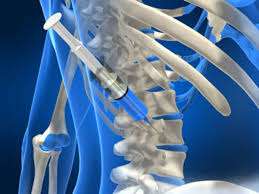
This syndrome signifies excessive protein loss in urine due largely succumbed glomerular pathologies invoking dramatic clinical features requiring comprehensive care protocols implemented swiftly once diagnosed efficiently!
- Symptoms :Typical manifestations encompass swelling around eyes legs increased fatigue susceptibility infections rendering quality living profoundly affected by nephron damage progressively .
- < Strong Caused: < / Strong Edema develops following action favoring alterations circulation elevating lipid metabolism potentially stemming immune-mediated processes leading susceptibility watchful correlation established promptly!
HYPERTENSIVE NEPHROPATHY

This condition encompasses damage caused by chronic high blood pressure leading to renal dysfunction. Identifying hypertension's impact on kidneys enables better treatment options early on.
- Symptoms : Many individuals remain asymptomatic until advanced stages; potential symptoms include headaches dizziness visual disturbances indicating end-organ involvement .
- Causes : Prolonged uncontrolled hypertension poses risks ; genetic predispositions lifestyle choices also contribute significantly .
- Diagnosis : Assessment integrates comprehensive medical history physical examination alongside laboratory investigations focusing on urinary outputs serum creatinine levels renal imaging .
- Treatment : Management targets reducing systemic blood pressure utilization diuretics ACE inhibitors pivotal role minimizing further damage while ensuring adequate care coordination across specialties involved .
- What To Expect : With controlled hypertension , many patientscan stabilize their renal functions while preventing further complications through relentless engagement towards lifestyle modifications education about importance regular monitoring patterns over time .
The collaborative effort between healthcare providers remains fundamental achieving positive outcomes about hypertensive nephropathy effectively !
GLOMERULONEPHRITIS

This term refers to inflammation of the glomeruli—tiny filters within the kidneys. Prompt diagnosis is essential as it can significantly impact kidney function if left untreated.
- Symptoms: Individuals may present with blood or protein in urine, swelling parts of the body such as face or limbs due to fluid retention.
- Causes:
KIDNEY STONES

Kidney stones are hard mineral deposits formed in the kidneys that can cause severe pain when passing through the urinary tract. Awareness of this condition can help manage it effectively.
- Symptoms: Symptoms often include extreme pain in the side or back, nausea, vomiting, and hematuria (blood in urine).
- Causes: Factors contributing to stone formation include dehydration, certain diets high in sodium or oxalates, and metabolic disorders.
- Diagnosis: Diagnosis typically involves imaging studies such as CT scans along with urine tests to determine stone composition.
- Treatment: Treatment options include increased fluid intake to facilitate passing small stones; larger stones might need procedures like lithotripsy or surgery.
- What to Expect: Most stones pass on their own; however, preventive measures are essential to reduce recurrence risk thereafter.
An understanding of risk factors is key in avoiding future episodes of kidney stones.
CHRONIC KIDNEY DISEASE

This condition represents a gradual loss of kidney function over time. It's often silent in the early stages, making awareness critical for effective management.
- Symptoms: Early stages may show no symptoms; however, later signs include high blood pressure, anemia, and bone disease.
- Causes: Common causes are diabetes and hypertension, but other factors like genetic disorders can also contribute.
- Diagnosis: Evaluation typically includes blood tests for creatinine levels and urine tests for protein detection.
- Treatment: Management focuses on controlling underlying conditions and may require dietary changes or medications to slow progression.
- What to Expect: With careful monitoring and lifestyle adjustments, many patients maintain kidney health for years despite chronic disease.
A proactive approach towards risk factors can significantly alter the course of this condition.
ACUTE KIDNEY INJURY

Acute kidney injury (AKI) is a sudden decline in kidney function, which can occur over a few hours or days. It is crucial to recognize the signs early as timely intervention can significantly improve outcomes.
- Symptoms: Common symptoms include decreased urine output, swelling in the legs and ankles, fatigue, and confusion.
- Causes: AKI can result from various factors, including dehydration, certain medications, or underlying health conditions like diabetes and high blood pressure.
- Diagnosis: Diagnosis is generally made through blood tests that measure creatinine levels and urine tests to assess kidney function.
- Treatment: Treatment often involves addressing the underlying cause, which may include hydration, medication adjustments, or dialysis in severe cases.
- What to Expect: Most individuals recover completely with proper treatment, though some may experience long-term effects depending on the severity of the injury.
Understanding AKI is vital for prevention and management. Early recognition of symptoms plays a key role in saving kidney function.