
Dr Nisha Jain Den
About Me
Dr Nisha Jain Den
MBBS
Podiatrist
10 Years Experience
Biography
My Clinic
OPD Hours
| Monday | Morning | 10:00 AM | - | 02:00 PM |
| Evening | 06:00 PM | - | 09:00 PM | |
| Tuesday | Morning | 10:00 AM | - | 02:00 PM |
| Evening | 06:00 PM | - | 09:00 PM | |
| Wednesday | Morning | 10:00 AM | - | 02:00 PM |
| Evening | 06:00 PM | - | 09:00 PM | |
| Thursday | Morning | 10:00 AM | - | 02:00 PM |
| Evening | 06:00 PM | - | 09:00 PM | |
| Friday | Morning | 10:00 AM | - | 02:00 PM |
| Evening | 06:00 PM | - | 09:00 PM | |
| Saturday | Morning | 10:00 AM | - | 02:00 PM |
| Evening | 06:00 PM | - | 09:00 PM | |
| Sunday | Morning | 10:00 AM | - | 02:00 PM |
| Evening | 06:00 PM | - | 09:00 PM |
Treatments
Specialised care and treatments offered
FOOT WARTS (PLANTAR WARTS)
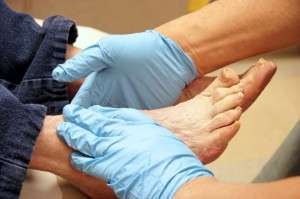
A plantar wart is a small growth on your foot's sole caused by human papillomavirus (HPV). They are often harmless yet can become painful depending on their location and size.
- Symptoms: Look out for hardened skin on weight-bearing areas which could feel tender upon direct pressure application .
- Diagnosis: Visual evaluation usually suffices; sometimes a biopsy confirms viral infection presence if warts recur regularly .
- Treatment Options: Various methods exist from cryotherapy freezing techniques - salicylic acid topical solutions available over-the-counter ; persistence typically determines effectiveness resulting positive outcomes overall .
While some choose not treat minor instances , knowing available resources eases worries behind potential contagion among peers especially pertinent those engaging contact sports .
FLAT FEET (PES PLANUS)
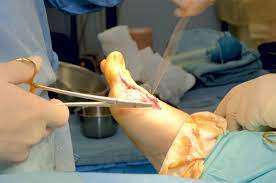
This condition refers to having little to no arch in your feet which may lead to discomfort while standing or moving. While it’s common in children due to natural development stages — persistence into adulthood warrants attention.
- Symptoms: Patients might experience fatigue in their lower limbs , noticing an unusual alignment when standing .
- Diagnosis: Comprehensive assessments including gait analysis help determine severity .
- Treatment Options: Interventions like custom insoles that support arches combined with physiotherapy could alleviate strain on joints increasing flexibility thereof too .
- What To Expect: Many manage flat feet successfully through outlined treatments but follow-up consultations remain vital assessing long-term outcomes ensuring effective management strategies applied consistently .
Attention towards addressing underlying mechanics greatly enhances comfort levels assuring mobility remains intact throughout lives journey
ACHILLES TENDINITIS
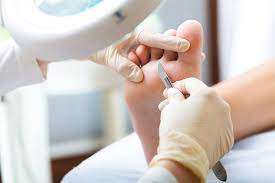
Achilles tendinitis occurs when there is irritation or inflammation of the Achilles tendon at the back of your ankle. This condition can affect athletes as well as non-active individuals alike.
- Symptoms: Key indicators include pain along the tendon during activity which might subside during rest periods but returns with exertion.
- Diagnosis: Diagnosis involves a comprehensive physical exam along with patient history; ultrasound imaging may also provide further insights into tendon integrity.
- Treatment Options: Commonly recommended treatments involve rest, ice application, stretching exercises tailored specifically for recovery while maintaining joint stability as needed
This condition usually improves with conservative measures such as these; however chronic cases could require more intense interventions including surgery
BUNIONS
Bunions are bony protrusions that develop at the base of the big toe due to misalignment of the toe joint. They can cause pain and discomfort during walking or wearing shoes.
- Symptoms: Patients often report swelling, redness around the affected joint, and persistent pain that worsens with activity.
- Diagnosis: A thorough examination along with X-rays may help confirm diagnosis by showing the degree of deformity present.
- Treatment Options: Initial treatments focus on relieving symptoms through proper footwear choices and padding. Surgical options may be considered for advanced cases causing significant discomfort or mobility issues.
- What to Expect: Individuals can expect improved foot function post-treatment but should adhere to postoperative instructions closely for optimal recovery results.
Addressing bunions early on can prevent further complications down the line!
DIABETIC FOOT CARE
Patients with diabetes are at risk for developing various foot complications due to nerve damage and poor circulation. Diabetic foot problems can lead to serious issues if not managed properly.
- Symptoms: Symptoms may include numbness, tingling, or burning sensations in the feet and an increased risk for infections or ulcers.
- Diagnosis: Regular check-ups involving visual inspections and sensory evaluations are critical for early detection of potential problems.
- Treatment Options: Effective management includes proper footwear, daily foot care routines, medication for infections, and potentially surgical intervention for severe conditions.
- What to Expect: With diligent care and monitoring, many complications can be prevented or treated effectively, preserving mobility and quality of life.
A proactive approach can dramatically reduce risks associated with diabetic foot ailments.
PLANTAR FASCIITIS
Plantar fasciitis is a common foot condition characterized by pain in the heel and bottom of the foot. It is often caused by overuse, leading to inflammation of the plantar fascia, the thick band of tissue that runs across the bottom of the foot.
- Symptoms: Common symptoms include stabbing pain near the heel, especially with first steps in the morning or after prolonged sitting.
- Diagnosis: The condition is typically diagnosed through a physical examination and a review of medical history; imaging tests may be used in some cases.
- Treatment Options: Management may involve rest, ice therapy, stretching exercises, and orthotic devices. In more severe cases, corticosteroid injections or physical therapy may be needed.
- What to Expect: With appropriate treatment, patients can expect significant pain relief within weeks, allowing them to return to regular activities gradually.
This condition can persist if left untreated; early intervention is key to achieving recovery.