
Dr Nishas
About Me
Dr Nishas
Cardiologist
Biography
My Clinic
OPD Hours
| Tuesday | Morning | 10:00 AM | - | 02:00 PM |
| Evening | 06:00 PM | - | 09:00 PM | |
| Wednesday | Morning | 10:00 AM | - | 02:00 PM |
| Evening | 06:00 PM | - | 09:00 PM | |
| Thursday | Morning | 10:00 AM | - | 02:00 PM |
| Evening | 06:00 PM | - | 09:00 PM | |
| Friday | Morning | 10:00 AM | - | 02:00 PM |
| Evening | 06:00 PM | - | 09:00 PM | |
| Saturday | Morning | 10:00 AM | - | 02:00 PM |
| Evening | 06:00 PM | - | 09:00 PM | |
| Sunday | Morning | 10:00 AM | - | 02:00 PM |
| Evening | 06:00 PM | - | 09:00 PM | |
| Thursday | Morning | 10:00 AM | - | 02:00 PM |
| Evening | 06:00 PM | - | 09:00 PM |
Treatments
Specialised care and treatments offered
PACEMAKER INSERTION

A pacemaker insertion is a common procedure designed to regulate the heartbeat in individuals experiencing arrhythmias. This small device sends electrical impulses to stimulate regular heartbeats when necessary.
STRESS TESTING
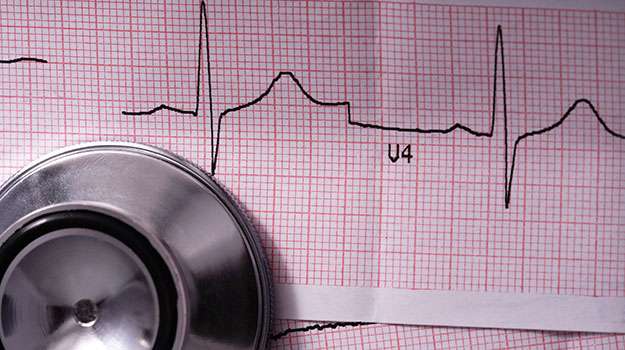
A stress test evaluates how well your heart performs under physical stress. This valuable tool assists in diagnosing various cardiovascular conditions by assessing tolerance levels during exercise-related exertion.
HOLTER MONITOR
A Holter monitor is a portable device used for continuous recording of your heart's rhythms over 24-48 hours. This helps detect irregularities that might not appear during standard check-ups.
- If You Experience: Symptoms such as palpitations or dizziness justify monitoring your heartbeat in your everyday environment.
- The Setup: Small electrodes are attached to your chest connected to a recording device worn on your waist or shoulder for thorough monitoring throughout daily activities.
CARDIAC CATHETERIZATION
This diagnostic technique enables physicians to examine how well your heart is working by using a thin tube called a catheter. It can provide critical information regarding blockages or abnormalities in coronary arteries.
- Indications: Symptoms such as severe chest pain or abnormal stress test results often lead to its use for more detailed evaluation.
- The Process: A catheter is inserted through a blood vessel in the arm or leg and guided to the heart while contrast dye helps highlight areas of concern on X-ray images.
- Treatment Options: During catheterization, further treatments like angioplasty can be performed if significant blockages are found.
- Safety Measures: While generally safe, risks include bleeding or infection at the insertion site; however, these are rare.
This procedure significantly enhances diagnostic accuracy and guides treatment decisions effectively.
ECHOCARDIOGRAM
An echocardiogram is an ultrasound procedure that allows doctors to visualize the heart's structure and assess its function. It's an essential tool for diagnosing various heart conditions without any invasive techniques.
- Purpose: It helps identify issues like valve disorders, congenital heart defects, and cardiomyopathy.
- Symptoms Addressed: Patients with unexplained fatigue, chest pain, or palpitations may be referred for this test.
- Procedure: The test involves placing a transducer on the chest that emits sound waves to create images of the heart in real time.
- No Recovery Time: Since it's non-invasive, there’s no recovery time required; patients can resume daily activities immediately after.
The insights gained from this examination enable effective management of potential heart problems before they escalate.
ANGIOPLASTY
Angioplasty is a minimally invasive procedure used to open narrowed or blocked coronary arteries. It helps restore blood flow to the heart muscle, which is crucial for preventing serious complications such as heart attacks.
- Symptoms: Patients may experience chest pain, shortness of breath, or fatigue due to reduced blood flow.
- Diagnosis: This procedure is often preceded by tests like an echocardiogram or coronary angiography to visualize blockages.
- Treatment: Angioplasty involves inserting a small balloon into the artery which is then inflated to widen the artery. A stent may also be placed to keep it open.
- Recovery: Post-procedure, patients can expect some discomfort but most return home the same day and resume normal activities within a week.
This treatment is known for its effectiveness and safety, providing quick relief from symptoms and reducing the risk of future heart events.