
Dr Niteen Dedhia
About Me
Dr Niteen Dedhia
General Physician
Biography
My Clinic
OPD Hours
| Tuesday | Morning | 10:00 AM | - | 02:00 PM |
| Evening | 06:00 PM | - | 09:00 PM | |
| Wednesday | Morning | 10:00 AM | - | 02:00 PM |
| Evening | 06:00 PM | - | 09:00 PM | |
| Thursday | Morning | 10:00 AM | - | 02:00 PM |
| Evening | 06:00 PM | - | 09:00 PM | |
| Friday | Morning | 10:00 AM | - | 02:00 PM |
| Evening | 06:00 PM | - | 09:00 PM | |
| Saturday | Morning | 10:00 AM | - | 02:00 PM |
| Evening | 06:00 PM | - | 09:00 PM | |
| Sunday | Morning | 10:00 AM | - | 02:00 PM |
| Evening | 06:00 PM | - | 09:00 PM | |
| Thursday | Morning | 10:00 AM | - | 02:00 PM |
| Evening | 06:00 PM | - | 09:00 PM |
Treatments
Specialised care and treatments offered
SEASONAL ALLERGIES
Seasonal allergies occur when an individual's immune system reacts to environmental allergens such as pollen from trees or grass. These reactions commonly happen during specific times of the year when certain plants pollinate.'
GASTROENTERITIS

Gastroenteritis is an inflammation of the stomach lining that often results from viral or bacterial infections. This condition affects people of all ages but poses higher risks for young children and older adults due to dehydration concerns.'
- '
- The main symptoms, including diarrhea, vomiting, abdominal cramps, fever, and nausea can vary in severity based on the underlying cause.'
UPPER RESPIRATORY INFECTIONS
Upper respiratory infections (URIs), often referred to as the common cold, are viral infections affecting the nasal passages and throat. They are highly contagious but usually self-limiting in healthy individuals.
- The symptoms typically consist of a runny nose, sore throat, cough, congestion, sneezing, and mild fever.
- Diagnosing a URI generally involves a physical examination along with patient-reported symptoms; laboratory tests are rarely needed unless complications arise.
- Treatment focuses on relieving symptoms through rest, hydration, pain relievers like acetaminophen or ibuprofen, and decongestants if appropriate.
- Most URIs resolve within a week or two without requiring prescriptions; however, understanding how to prevent them through hygiene practices can reduce occurrence rates significantly.
An informed approach facilitates quicker recovery from upper respiratory infections while enhancing overall well-being during recovery periods.
ASTHMA
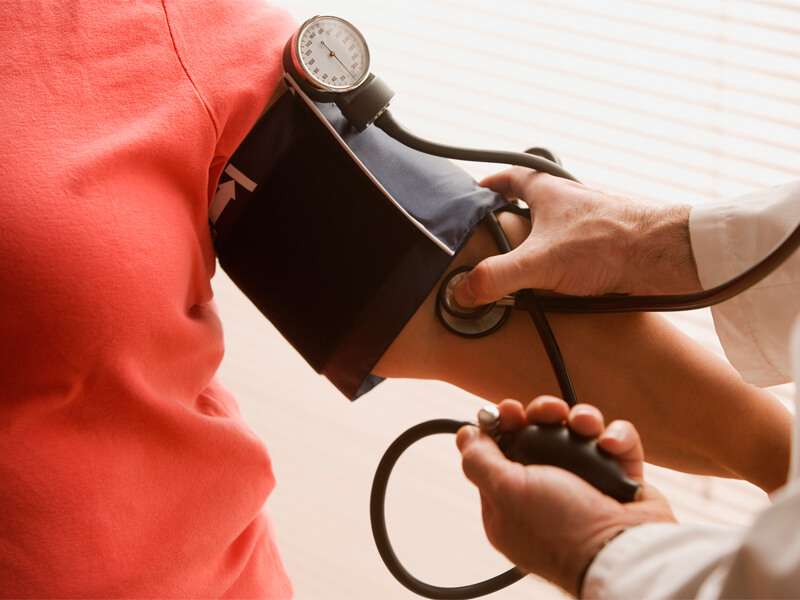
Asthma is a chronic inflammatory disease of the airways that leads to difficulty in breathing. Both children and adults can be affected by asthma, making it essential to manage properly for better quality of life.
- The primary symptoms include wheezing, coughing, chest tightness, and shortness of breath during physical activity or at night.
- A physician diagnoses asthma through a combination of medical history evaluations and lung function tests like spirometry.
- Treatment usually involves inhalers that deliver bronchodilators or corticosteroids directly into the lungs to reduce inflammation.
- A personalized asthma action plan aids patients in identifying triggers and managing attacks effectively.
- Understanding asthma management helps patients lead active lives while minimizing symptoms and preventing exacerbations.
Lifelong management strategies are vital for living well with asthma.
TYPE 2 DIABETES
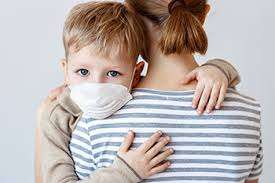
Type 2 diabetes is a metabolic disorder characterized by insulin resistance and high blood sugar levels. It primarily affects adults but is increasingly seen in adolescents due to rising obesity rates.
- The main symptoms include increased thirst, frequent urination, fatigue, and blurred vision.
- This condition is diagnosed through fasting blood sugar tests or glucose tolerance tests during routine check-ups.
- Management involves lifestyle modifications such as balanced nutrition and increasing physical activity; medication may also be prescribed when necessary.
- Regular monitoring of blood glucose levels helps ensure that they remain within the target range.
- A comprehensive diabetes care plan can greatly enhance quality of life and minimize risks of complications like heart disease and neuropathy.
Caring for diabetes is crucial for maintaining overall health and preventing serious long-term effects.
HYPERTENSION
Hypertension, commonly known as high blood pressure, is a condition where the blood pressure in the arteries is persistently elevated. This can lead to serious health issues if not managed effectively.
- Symptoms may include headaches, shortness of breath, or nosebleeds; however, this condition often has no noticeable symptoms.
- Diagnosis typically involves measuring blood pressure using a sphygmomanometer during routine health checks or more specialized monitoring techniques.
- Treatment options include lifestyle changes such as diet and exercise, along with medications that help lower blood pressure.
- Patients should regularly monitor their blood pressure at home and maintain follow-up appointments to adjust treatment as necessary.
- A healthy lifestyle can significantly reduce risks associated with hypertension and improve overall cardiovascular health.
Understanding how to manage hypertension can empower patients to take control of their health and prevent complications.