
Dr Nitesh Bansal
About Me
Dr Nitesh Bansal
DO
Ophthalmologist
Biography
My Clinic
OPD Hours
| Monday | Morning | 10:00 AM | - | 02:00 PM |
| Evening | 06:00 PM | - | 09:00 PM | |
| Tuesday | Morning | 10:00 AM | - | 02:00 PM |
| Evening | 06:00 PM | - | 09:00 PM | |
| Wednesday | Morning | 10:00 AM | - | 02:00 PM |
| Evening | 06:00 PM | - | 09:00 PM | |
| Thursday | Morning | 10:00 AM | - | 02:00 PM |
| Evening | 06:00 PM | - | 09:00 PM | |
| Friday | Morning | 10:00 AM | - | 02:00 PM |
| Evening | 06:00 PM | - | 09:00 PM | |
| Saturday | Morning | 10:00 AM | - | 02:00 PM |
| Evening | 06:00 PM | - | 09:00 PM | |
| Sunday | Morning | 10:00 AM | - | 02:00 PM |
| Evening | 06:00 PM | - | 09:00 PM |
Treatments
Specialised care and treatments offered
DRY EYE SYNDROME MANAGEMENT
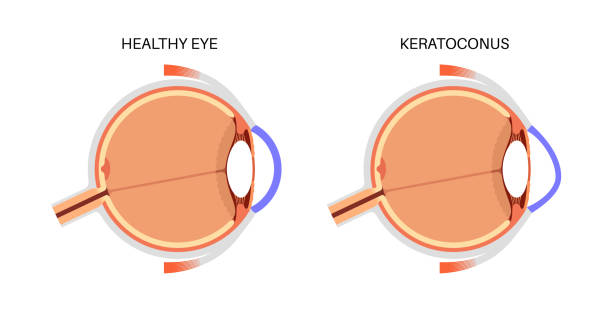
Dry eye syndrome occurs when tears do not provide adequate lubrication for the eyes. This condition can cause discomfort and visual disturbances if left untreated over time.
- Symptoms: Common indications include dryness, itching, burning sensations, and redness in the eyes.
- The diagnosis involves interviews about symptoms alongside comprehensive eye examinations checking tear production levels.
Long-term daily routines involving proper hydration habits play a key role in alleviating dry eye symptoms while maintaining comfort!
RETINAL DETACHMENT EVALUATION
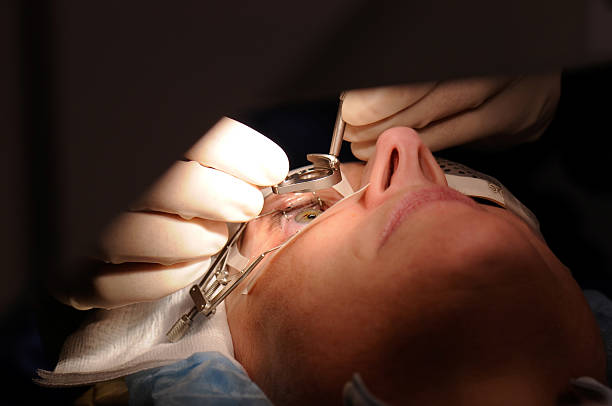
A retinal detachment refers to the separation of the retina from its underlying layer. This serious condition requires immediate medical attention to prevent permanent vision loss.
- Symptoms: Patients may experience sudden flashes of light, floaters in their field of vision, or a shadow over their visual field.
- Diagnosis: An ophthalmologist conducts a thorough examination using dilated fundus evaluation along with ultrasound imaging if needed.
- Treatment methods: Surgical interventions such as pneumatic retinopexy or vitrectomy are commonly employed depending on severity and specific case characteristics.
The prognosis largely depends on how quickly treatment is sought following symptoms' onset; prompt action is essential for recovery.
DIABETIC RETINOPATHY SCREENING
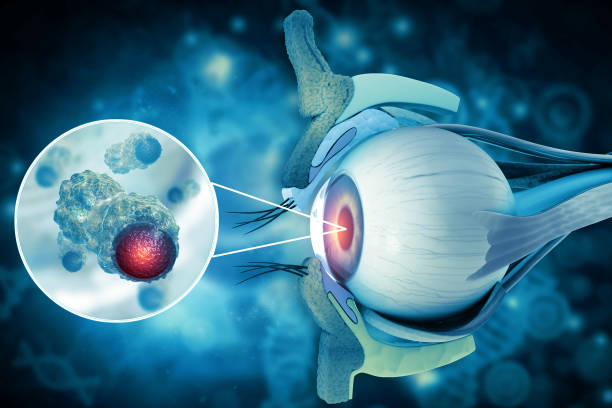
Diabetic retinopathy is a complication from diabetes that affects the eyes. It results from damage to the blood vessels in the retina and can lead to severe vision impairment if not monitored closely.
- Symptoms: Early stages often present no symptoms; as it progresses, symptoms may include blurred or distorted vision and dark spots.
- Diagnosis: An eye exam featuring dilated retinal examination helps detect changes in the retina associated with diabetic retinopathy.
- Treatment options: Treatments may involve laser therapy or intravitreal injections to control swelling and prevent further deterioration of eyesight.
- Monitoring expectations: Regular screenings are vital for those with diabetes, ensuring timely intervention when necessary.
Diligent management of diabetes is crucial to minimizing risks related to diabetic retinopathy.
GLAUCOMA ASSESSMENT
Glaucoma represents a group of eye diseases that damage the optic nerve, often linked to increased intraocular pressure. It can lead to irreversible vision loss if not detected early.
- Symptoms: Often asymptomatic in early stages; advanced cases may show peripheral vision loss and tunnel vision.
- Diagnosis: A comprehensive exam includes measuring eye pressure, examining the optic nerve, and conducting visual field tests.
- Treatment/management options: Options include prescription eye drops, laser treatments, or surgery aimed at lowering intraocular pressure.
- What to expect: Regular monitoring and adherence to prescribed treatment plans are essential for managing glaucoma effectively.
Early detection through screening can help preserve vision for individuals at risk of this condition.
CATARACT SURGERY
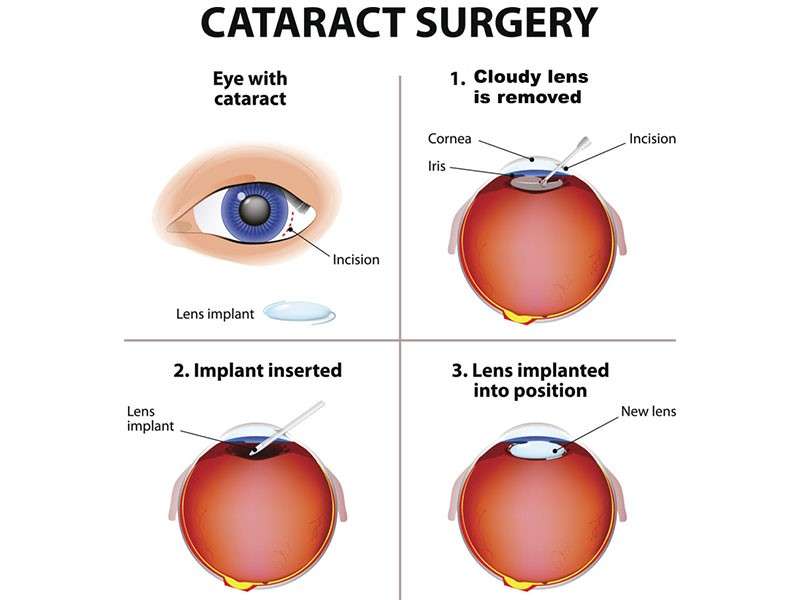
Cataracts are a common condition that occurs when the lens of the eye becomes cloudy, impacting vision clarity. This condition typically develops slowly and may affect one or both eyes.
- Symptoms: Blurry vision, difficulty seeing at night, sensitivity to light, and seeing halos around lights.
- Diagnosis: An eye examination including visual acuity tests and a slit-lamp examination is conducted by an ophthalmologist.
- Treatment options: The primary treatment is cataract surgery, which involves removing the cloudy lens and replacing it with an artificial intraocular lens.
- Post-surgery care: Patients can expect some discomfort initially but will receive detailed aftercare instructions to ensure proper healing.
Timely intervention can significantly improve quality of life for those affected by cataracts.