
Dr Nitesh kumar B
About Me
Dr Nitesh kumar B
MBBS
General Physician
Biography
My Clinic
OPD Hours
| Monday | Morning | 10:00 AM | - | 02:00 PM |
| Evening | 06:00 PM | - | 09:00 PM | |
| Tuesday | Morning | 10:00 AM | - | 02:00 PM |
| Evening | 06:00 PM | - | 09:00 PM | |
| Wednesday | Morning | 10:00 AM | - | 02:00 PM |
| Evening | 06:00 PM | - | 09:00 PM | |
| Thursday | Morning | 10:00 AM | - | 02:00 PM |
| Evening | 06:00 PM | - | 09:00 PM | |
| Friday | Morning | 10:00 AM | - | 02:00 PM |
| Evening | 06:00 PM | - | 09:00 PM | |
| Saturday | Morning | 10:00 AM | - | 02:00 PM |
| Evening | 06:00 PM | - | 09:00 PM | |
| Sunday | Morning | 10:00 AM | - | 02:00 PM |
| Evening | 06:00 PM | - | 09:00 PM |
Treatments
Specialised care and treatments offered
ALLERGY MANAGEMENT
Allergies occur when the immune system reacts abnormally to specific substances known as allergens. Common allergens include pollen, dust mites, certain foods, insect stings, or pet dander.
- < li>Main allergy symptoms: sneezing, rashes, eyes… itching, and breathe difficulty upon exposure.< li>Diagnosis: ; conducted evaluating response patterns under controlled environments either skin tests conducted by specialists dermatitis testing done through comprehensive history.< li>Management:: encompasses long-term avoidance strategies combined alongside antihistamines topical corticosteroids immunity therapy self-injections depending upon severity responses observed initial assessments undertaken core principles applied accordingly ;
GASTROESOPHAGEAL REFLUX DISEASE (GERD)

Gastroesophageal reflux disease (GERD) is a chronic digestive condition where stomach acid flows back into the esophagus. This backflow causes irritation which can result in significant discomfort if not addressed properly through medical care or lifestyle modifications.'
- 'Main symptoms, such as heartburn or acid regurgitation often occur after meals or at night.'
- Dysphagia (difficulty swallowing) might also be experienced alongside persistent coughs related to silent reflux problems.'
- If left untreated,' this condition could lead to esophagitis or even Barrett's esophagus over time.'Treatment methods generally incorporate dietary changes alongside medications like antacids,' H2 blockers,'or proton pump inhibitors.'
- Surgical options are also available when conservative measures fail but should always be accompanied by detailed patient discussions regarding risks versus benefits.'
Catching GERD early allows better management strategies leading toward improved quality-of-life outcomes for affected patients primarily focusing on long-term lifestyle adaptations fading discomfort encountered every day!
RESPIRATORY INFECTIONS

Respiratory infections are illnesses caused by pathogens affecting the airways and lungs. They range from mild colds to more severe infections like pneumonia. Awareness of symptoms can aid in timely intervention and treatment options available through general practice care.
- The classic symptoms include coughing, sneezing, fever, sore throat, nasal congestion or runny nose.
- Your doctor may perform diagnostic tests including chest X-rays or sputum cultures to determine the exact cause of infection.
- Treatment options often involve rest, hydration, over-the-counter medications for symptom relief; antibiotics may be prescribed for bacterial infections specifically if needed.
- An important aspect of prevention includes vaccinations against common respiratory pathogens like influenza and pneumococcal bacteria。
Pursuing prompt medical advice helps manage symptoms effectively while preventing complications from respiratory infections during peak seasons such as winter months when these are more common).
ANEMIA
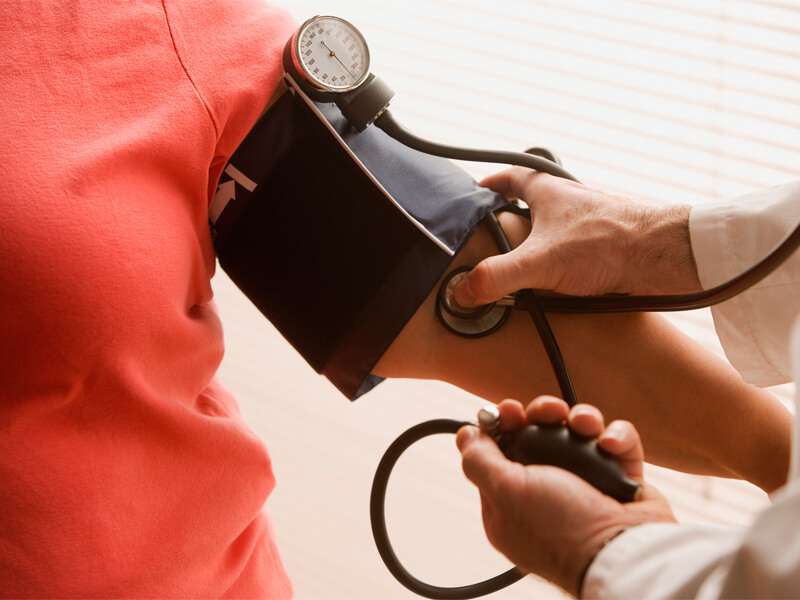
Anemia is a condition characterized by low levels of red blood cells or hemoglobin in the bloodstream. It can affect people of all ages but is particularly common in women and young children due to various factors like diet or underlying health conditions.
- The symptoms may encompass fatigue, weakness, pale skin, and shortness of breath during physical activities.
- A diagnosis usually involves blood tests that measure hemoglobin concentration and red blood cell count among other parameters.
- Treatment varies based on the type of anemia; it may include iron supplements for iron-deficiency anemia or vitamin B12 injections for pernicious anemia.
- Lifestyle changes such as incorporating iron-rich foods into your diet can also be beneficial in managing anemia effectively.
Addressing anemia early can improve energy levels and overall well-being significantly.
DIABETES MANAGEMENT

Diabetes is a chronic condition that affects how your body processes glucose or sugar. Both Types 1 and 2 diabetes require ongoing management and care to maintain optimal blood sugar levels.
- Main symptoms include increased thirst, frequent urination, extreme fatigue, and blurred vision.
- A diagnosis is typically confirmed through blood tests measuring glucose levels over time.
- Treatment involves dietary adjustments, physical activity, and in some cases, medication or insulin therapy to control blood sugar levels effectively.
- Coping strategies may also include education on self-monitoring techniques for better management at home.
With proper management strategies in place, individuals with diabetes can lead healthy lives while minimizing long-term risks associated with the disease.
HYPERTENSION

Hypertension, often referred to as high blood pressure, is a prevalent condition that can significantly impact overall health. This condition typically develops over several years and may lead to serious health issues such as heart disease.
- Common symptoms include frequent headaches, dizziness, and nosebleeds, though many individuals might not experience noticeable symptoms.
- Diagnosis often occurs during routine check-ups using a sphygmomanometer to measure blood pressure levels.
- Management of hypertension includes lifestyle modifications such as improved diet and regular exercise, along with medication when necessary.
- It’s essential to monitor your blood pressure regularly to understand how well treatments are working.
- Aim for a consistent follow-up with your healthcare provider to adjust treatment plans effectively.
By managing hypertension proactively, patients can reduce the risk of severe complications and maintain better cardiovascular health.