
Dr Nitin Agrawal
About Me
Dr Nitin Agrawal
Internal Medicine
Biography
My Clinic
OPD Hours
| Tuesday | Morning | 10:00 AM | - | 02:00 PM |
| Evening | 06:00 PM | - | 09:00 PM | |
| Wednesday | Morning | 10:00 AM | - | 02:00 PM |
| Evening | 06:00 PM | - | 09:00 PM | |
| Thursday | Morning | 10:00 AM | - | 02:00 PM |
| Evening | 06:00 PM | - | 09:00 PM | |
| Friday | Morning | 10:00 AM | - | 02:00 PM |
| Evening | 06:00 PM | - | 09:00 PM | |
| Saturday | Morning | 10:00 AM | - | 02:00 PM |
| Evening | 06:00 PM | - | 09:00 PM | |
| Sunday | Morning | 10:00 AM | - | 02:00 PM |
| Evening | 06:00 PM | - | 09:00 PM | |
| Thursday | Morning | 10:00 AM | - | 02:00 PM |
| Evening | 06:00 PM | - | 09:00 PM |
Treatments
Specialised care and treatments offered
GASTROESOPHAGEAL REFLUX DISEASE (GERD)
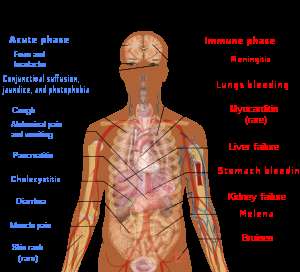
This digestive disorder occurs when stomach acid frequently flows back into the esophagus causing irritation. Understanding GERD aids in managing its symptoms effectively.
- Symptoms : Common manifestations include heartburn ,regurgitation ,difficulty swallowing ,and chest pain; these symptoms typically worsen after meals or when lying down .
- Diagnosis : Physicians usually diagnose GERD based on symptoms alone but may recommend endoscopy if more information is needed .
- Management Strategies : Lifestyle adaptations such as avoiding trigger foods (like spicy items), maintaining a healthy weight ,and elevating the head during sleep are part of treatment ; medications such as antacids might also be advised .
By following appropriate management strategies tailored towards individual needs patients can minimize discomfort related gastrointestinal reflux disease effectively .
CHRONIC FATIGUE SYNDROME
This complex disorder characterized by extreme fatigue does not improve with rest and worsens with physical or mental activity needs thorough understanding for effective management.
- Symptoms : Symptoms feature persistent fatigue lasting six months or more alongside difficulties with memory or concentration , sleep disturbances ,and muscle pain .
- Diagnosis : The diagnosis often involves ruling out other medical conditions through medical history review ,physical exams ,and specific tests .
- Management Strategies : Treatment predominantly revolves around symptom relief via behavioral interventions ,stress reduction techniques ,and gradual exercise regimens .
- Expectations : Chronic Fatigue Syndrome requires individualized long-term care plans focused on activating functional improvements while navigating daily challenges effectively .
Overall support systems play an integral role in coping with this debilitating syndrome .
ASTHMA MANAGEMENT
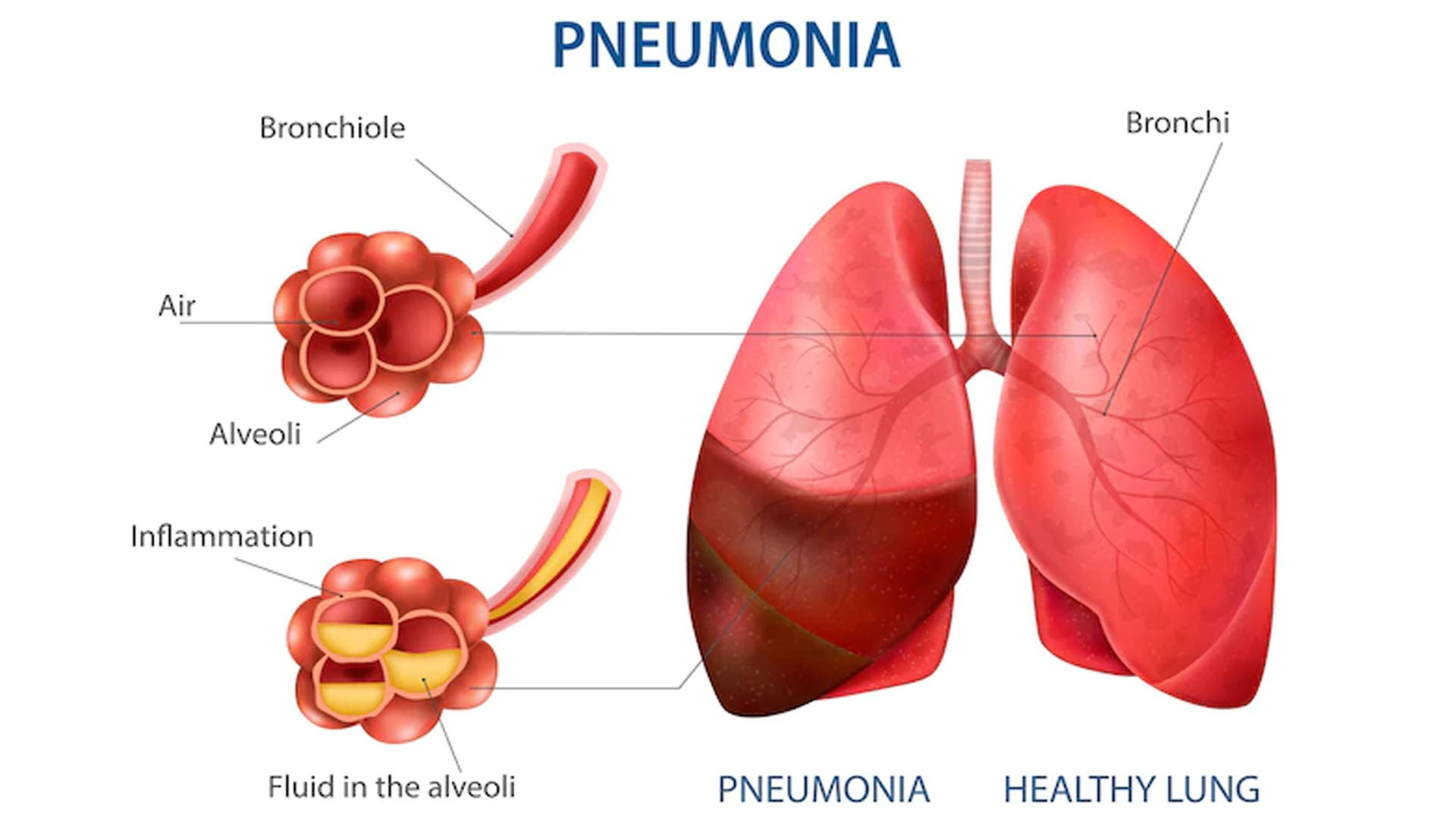
Asthma is a chronic respiratory condition marked by airway inflammation leading to difficulty in breathing. Understanding asthma triggers and management options can greatly enhance quality of life.
- Symptoms: Typical symptoms include wheezing, coughing, shortness of breath, and chest tightness that may vary over time or with exposure to triggers like allergens or pollution.
- Diagnosis: Doctors typically conduct lung function tests known as spirometry to confirm asthma diagnosis by measuring airflow obstruction.
- Treatment Options: Management includes avoiding triggers, using inhalers as prescribed (both relievers and controllers), along with lifestyle modifications like quitting smoking and exercising regularly.
An effective asthma management plan allows individuals to live active lives while minimizing flare-ups from their condition.
HYPERLIPIDEMIA
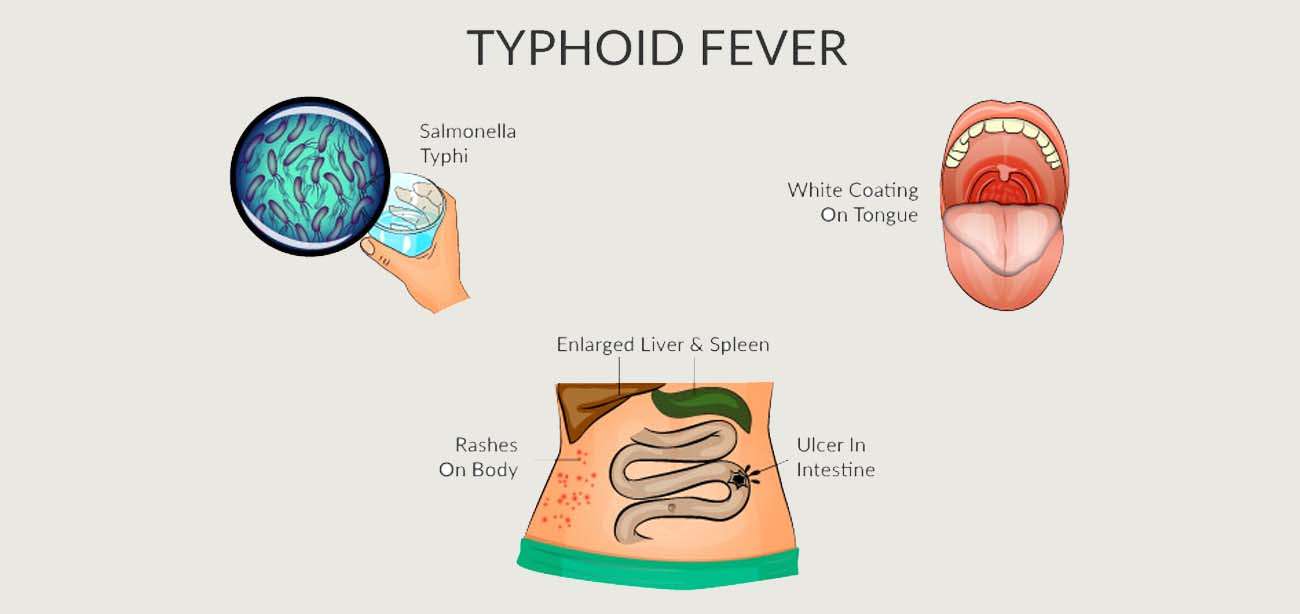
Hyperlipidemia refers to elevated levels of lipids (fats) in the bloodstream which can increase the risk of heart disease. Awareness and management are critical for heart health.
- Causes: Factors such as poor diet, lack of exercise, genetics, and certain medical conditions contribute to hyperlipidemia.
- Diagnosing Hyperlipidemia: A simple blood test measures cholesterol levels; total cholesterol over 200 mg/dL can suggest hyperlipidemia.
- Treatment Strategies: Treatment often includes lifestyle changes aimed at improving diet and increasing physical activity. In some cases, medication like statins may be necessary.
- Long-term Management: Regular check-ups are crucial to monitor lipid levels and adjust treatment plans accordingly for better outcomes.
Taking control of hyperlipidemia can significantly reduce the risk of cardiovascular diseases over time.
TYPE 2 DIABETES MELLITUS
Type 2 diabetes mellitus is a chronic condition that affects how your body metabolizes glucose. Understanding this condition can empower individuals to manage their health better.
- Symptoms: Common symptoms include increased thirst, frequent urination, fatigue, and blurred vision. However, some individuals may remain asymptomatic for years.
- Diagnosis: Diagnosis involves blood tests measuring glucose levels; a fasting glucose level of 126 mg/dL or higher indicates diabetes.
- Treatment Approaches: Management focuses on lifestyle modifications like dietary changes and physical activity. Medications may also be utilized to help regulate blood sugar levels.
- Monitoring: Regular monitoring of blood sugar levels is vital for managing the disease effectively and preventing complications.
A proactive approach can lead to improved quality of life for those living with type 2 diabetes mellitus.
HYPERTENSION
Hypertension, or high blood pressure, is a common condition that can lead to serious health complications if left untreated. It is important to understand its implications and management strategies.
- Symptoms: Many individuals with hypertension may not experience noticeable symptoms until it reaches severe levels, which is why regular monitoring is crucial.
- Diagnosis: Blood pressure is measured using a sphygmomanometer. Consistent readings above 130/80 mmHg are indicative of hypertension.
- Management Options: Lifestyle changes such as adopting a healthy diet, incorporating regular exercise, maintaining a healthy weight, and reducing salt intake are essential. Medications may also be prescribed to help control blood pressure.
- What to Expect: Regular check-ups and adherence to the treatment plan can significantly reduce the risk of cardiovascular events and improve overall health.
Managing hypertension effectively requires ongoing care and commitment to lifestyle adjustments for optimal health outcomes.