
Dr Nitin Balakrishnan
About Me
Dr Nitin Balakrishnan
General Physician
Biography
My Clinic
OPD Hours
| Tuesday | Morning | 10:00 AM | - | 02:00 PM |
| Evening | 06:00 PM | - | 09:00 PM | |
| Wednesday | Morning | 10:00 AM | - | 02:00 PM |
| Evening | 06:00 PM | - | 09:00 PM | |
| Thursday | Morning | 10:00 AM | - | 02:00 PM |
| Evening | 06:00 PM | - | 09:00 PM | |
| Friday | Morning | 10:00 AM | - | 02:00 PM |
| Evening | 06:00 PM | - | 09:00 PM | |
| Saturday | Morning | 10:00 AM | - | 02:00 PM |
| Evening | 06:00 PM | - | 09:00 PM | |
| Sunday | Morning | 10:00 AM | - | 02:00 PM |
| Evening | 06:00 PM | - | 09:00 PM | |
| Thursday | Morning | 10:00 AM | - | 02:00 PM |
| Evening | 06:00 PM | - | 09:00 PM |
Treatments
Specialised care and treatments offered
URINARY TRACT INFECTION (UTI)
A urinary tract infection (UTI) occurs when bacteria infiltrate the urinary system causing inflammation. This common infection requires prompt treatment to avoid further complications such as kidney infections.
- The most prominent symptoms include burning sensations during urination, frequent urges despite minimal output , cloudy urine indicative of infection along with possible back pain indicating progression towards kidneys
- Diagnosis typically involves urinalysis coupled with urine culture tests confirming presence/type of offending organism
- Management strategies comprise antibiotics prescribed post-confirmation accompanied by increased hydration supporting flushing out infectious organisms
- Lifestyle modifications including proper hygiene practices play a preventive role against recurrences ensuring better overall urinary health
Early intervention leads not only resolves current infection but fortifies defenses against future occurrences too .
ALLERGIC REACTIONS

An allergic reaction occurs when the immune system responds aggressively to a substance (allergen), leading to various symptoms that require careful evaluation. Timing of treatment can be critical depending on severity
- Common allergens include pollen, certain foods like nuts or shellfish, insect stings, medications among others
- Symptoms range from mild (rash,hives)to severe(anaphylaxis); prompt recognition is key
- Diagnosis often involves an allergy history intake & skin prick testsor specific IgE testing
- Management focuses on avoiding known triggers alongside possible antihistamines for mild reactions ; epinephrine auto-injectors may be necessary during anaphylactic events
- Regular consultations help develop personalized emergency action plans tailored specifically towards managing allergies effectively
Timely intervention significantly alleviates discomfort associated with allergic reactions while enabling individuals maintain quality life .
GASTROENTERITIS
Gastroenteritis is inflammation of the stomach and intestines typically caused by viral or bacterial infections. It’s important to manage symptoms promptly to prevent dehydration.
- The primary symptoms include diarrhea, vomiting, abdominal cramps, and fever. These symptoms can vary in intensity based on the underlying cause.
- A thorough assessment often includes reviewing recent dietary habits and conducting stool tests if indicated to identify the causative agent.
- Treatment mainly focuses on rehydration through oral fluids; severe cases may require intravenous fluids or medications to manage nausea and diarrhea.
DIABETES MANAGEMENT
Diabetes is a chronic metabolic disorder characterized by elevated blood sugar levels. Effective management is essential to prevent long-term complications affecting various body systems.
- The main types include Type 1 diabetes (often diagnosed in childhood) and Type 2 diabetes (more common in adults).
- Symptoms may include increased thirst, frequent urination, fatigue, and blurred vision; however, early stages might not show clear symptoms.
- A comprehensive diagnosis involves blood tests like fasting glucose levels or HbA1c testing to assess average blood sugar over time.
- Treatment primarily focuses on lifestyle modifications such as diet control and regular exercise along with insulin therapy or oral medications where necessary.
- Ongoing monitoring of blood glucose levels is critical for optimal management of diabetes.
A proactive approach combined with patient education plays a vital role in managing this condition effectively.
ACUTE RESPIRATORY INFECTION
An acute respiratory infection (ARI) affects the airways and lungs and can be caused by viruses or bacteria. Common in outpatient settings, ARIs require prompt attention to avoid complications.
- Typical symptoms include coughing, wheezing, fever, and difficulty breathing.
- Diagnosis involves a detailed medical history and physical examination; sometimes imaging studies or laboratory tests are needed for confirmation.
- Treatment approaches usually involve symptomatic relief through rest, hydration, and over-the-counter medications; antibiotics may be prescribed if a bacterial infection is suspected.
- Monitoring progress is vital; patients should report any worsening symptoms immediately to their healthcare provider.
- Most individuals recover fully from ARIs with appropriate treatment but must remain vigilant for potential complications.
A timely response can significantly improve recovery outcomes for those suffering from this condition.
HYPERTENSION
Hypertension, commonly referred to as high blood pressure, is a prevalent condition that can lead to serious health issues if left untreated. It often develops over many years and can go unnoticed until significant complications arise.
- Symptoms may include headaches, shortness of breath, or nosebleeds, but many individuals experience no symptoms at all.
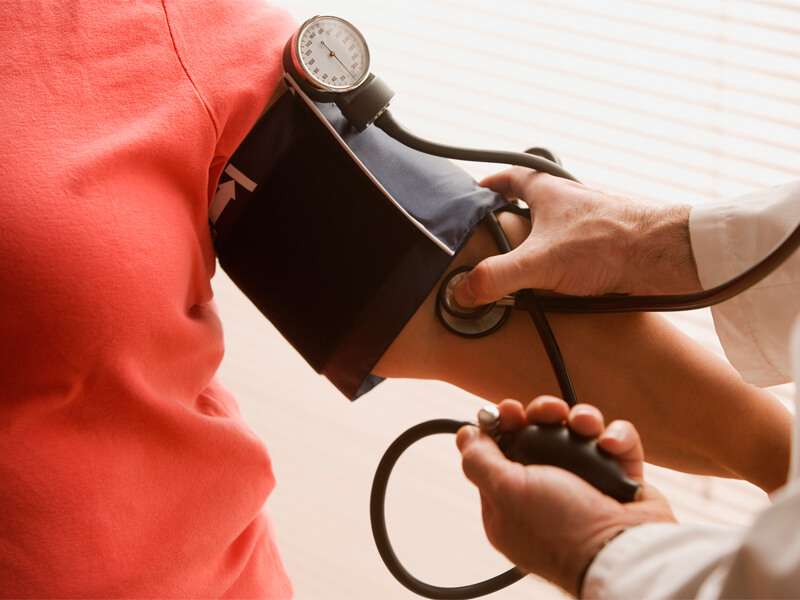
- This condition is typically diagnosed through regular blood pressure monitoring using a sphygmomanometer.
- Treatment management options include lifestyle changes such as diet and exercise, as well as medications like diuretics or ACE inhibitors.
- Patients are advised to regularly monitor their blood pressure and maintain follow-up appointments to adjust treatment plans as necessary.
- With effective management, individuals with hypertension can lead healthy lives while minimizing the risk of heart disease and stroke.
Early detection and consistent management are crucial for controlling hypertension.