
Dr Nitin
About Me
Dr Nitin
Internal Medicine
Biography
My Clinic
OPD Hours
| Tuesday | Morning | 10:00 AM | - | 02:00 PM |
| Evening | 06:00 PM | - | 09:00 PM | |
| Wednesday | Morning | 10:00 AM | - | 02:00 PM |
| Evening | 06:00 PM | - | 09:00 PM | |
| Thursday | Morning | 10:00 AM | - | 02:00 PM |
| Evening | 06:00 PM | - | 09:00 PM | |
| Friday | Morning | 10:00 AM | - | 02:00 PM |
| Evening | 06:00 PM | - | 09:00 PM | |
| Saturday | Morning | 10:00 AM | - | 02:00 PM |
| Evening | 06:00 PM | - | 09:00 PM | |
| Sunday | Morning | 10:00 AM | - | 02:00 PM |
| Evening | 06:00 PM | - | 09:00 PM | |
| Thursday | Morning | 10:00 AM | - | 02:00 PM |
| Evening | 06:00 PM | - | 09:00 PM |
Treatments
Specialised care and treatments offered
ASTHMA MANAGEMENT
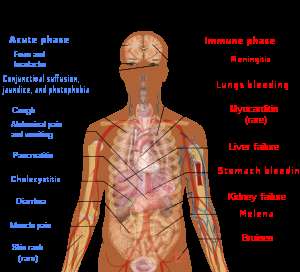
This chronic condition affects airways causing them to become inflamed & narrow making breathing difficult. Understanding asthma triggers & effective control measures play vital roles in patient well-being .
- Symptoms: Frequent coughing especially at night/wheezing/chest tightness/shortness of breath indicate asthma exacerbations ; these could worsen due to allergens/exercise/cold air/dust mites etc .
- Diagnosis: Diagnosis involves history taking alongside pulmonary function tests measuring airflow obstruction severity over time using spirometry .
- Treatment Strategies: Medications such as inhaled corticosteroids/beta agonists serve dual purposes relieving acute episodes/preventing future attacks; avoiding known triggers aids ongoing symptom control too!
With individualized action plans including use peak flow meters regularly checking lung capacity after starting any new regimen helps maintain optimal control overall!
HEART FAILURE MANAGEMENT
This complex condition occurs when the heart cannot pump adequately to meet the body’s needs. Understanding its implications helps in effective management strategies crucial for improving patient outcomes.
- Symptoms: The most common signs include shortness of breath during activity or at rest, fatigue despite exertion , fluid retention causing swelling in legs/ankles , sudden weight gain from fluid retention .
- Diagnosis: Diagnosis typically involves echocardiograms’, stress tests’, & blood work assessing heart function & efficiency.
- Treatment Options: Lifestyle changes combined with medications(e.g., ACE inhibitors & Beta-blockers) help manage symptoms & improve quality of life. In some cases , devices like pacemakers may be recommended .
Continuous follow-up care ensures that adjustments can be made based on changing conditions over time .
GASTROESOPHAGEAL REFLUX DISEASE (GERD)
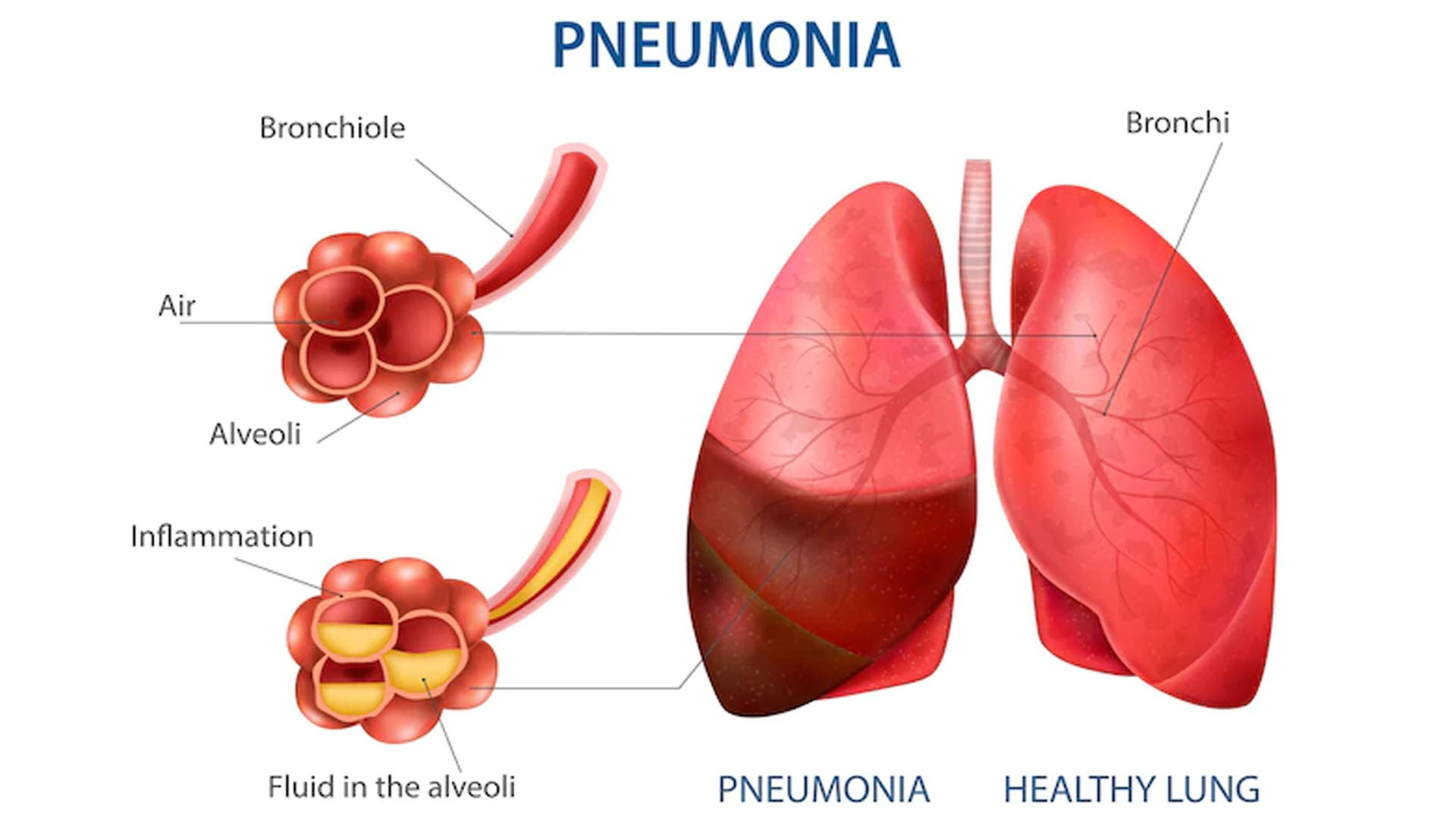
This chronic digestive disorder occurs when stomach acid frequently flows back into the esophagus. Understanding GERD is vital for minimizing discomfort associated with this condition.
- Main Symptoms: Heartburn, regurgitation of food or sour liquid, difficulty swallowing (dysphagia), and the sensation of a lump in the throat are common complaints among patients suffering from GERD.
- Causative Factors: Obesity, pregnancy, smoking, certain medications, and diet play significant roles in exacerbating GERD conditions.
CHRONIC OBSTRUCTIVE PULMONARY DISEASE (COPD)
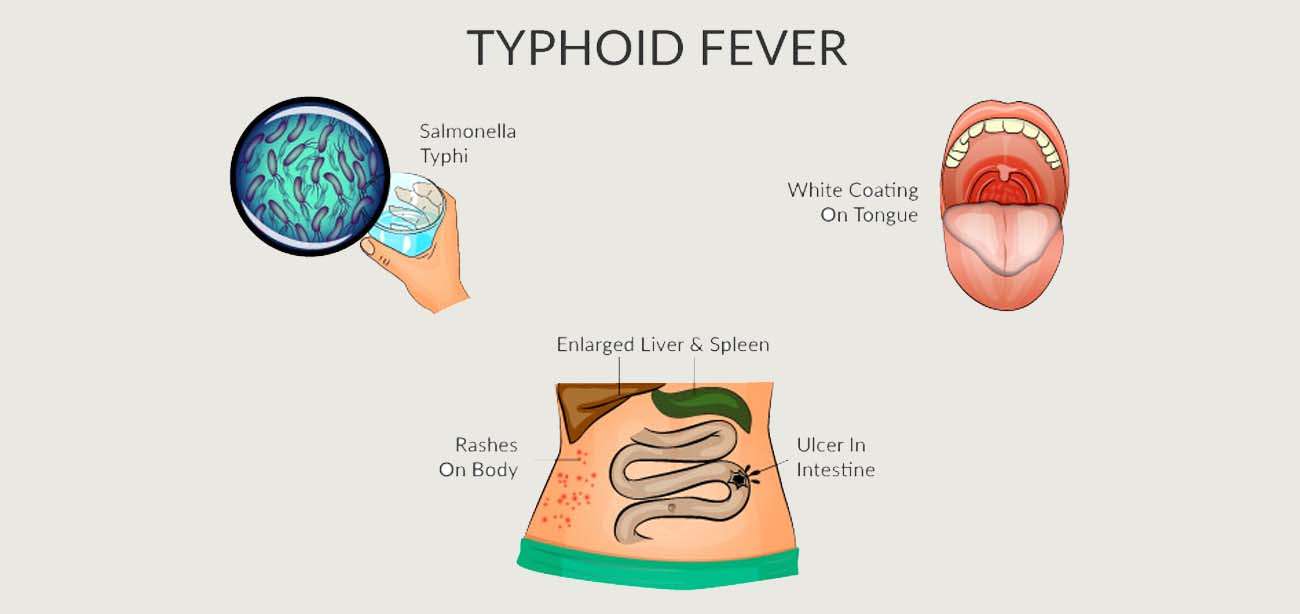
COPD is a progressive lung disease that makes breathing difficult. Early detection and treatment are essential to manage symptoms effectively and enhance life quality.
- Symptoms: Common signs include persistent cough, mucus production, wheezing, and shortness of breath during physical activities.
- Main Causes: Smoking is the leading cause; however, exposure to pollutants or genetic factors can also contribute to COPD development.
- Diagnosis Techniques: Lung function tests (spirometry), chest X-rays, and CT scans are critical for confirming COPD diagnosis.
- Treatment Approaches: While there is no cure for COPD, treatments such as bronchodilators and corticosteroids help alleviate symptoms. Oxygen therapy may be necessary in advanced stages.
A comprehensive management plan can slow disease progression and improve patients’ everyday functioning.
HYPERTENSION MANAGEMENT
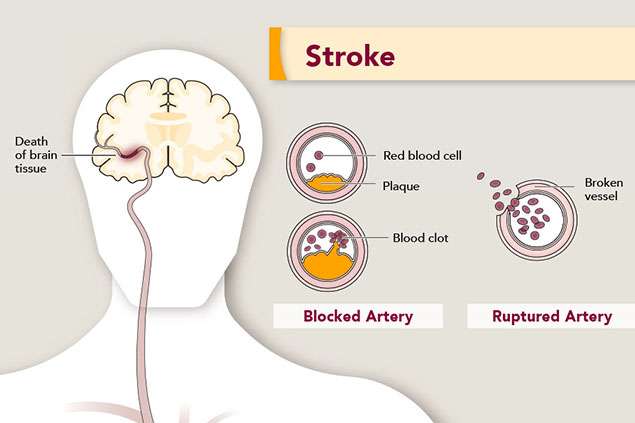
Hypertension, or high blood pressure, is a prevalent health issue that often goes unnoticed until it causes complications. Understanding how to manage this condition is vital for long-term health.
- Causes: Factors include genetics, poor diet, lack of exercise, obesity, and stress.
- Symptoms: Often referred to as a silent killer; symptoms may not appear until damage has occurred. Possible symptoms include headaches or nosebleeds in severe cases.
- Diagnosis: Blood pressure readings taken on multiple occasions are necessary for accurate diagnosis.
- Treatment Methods: Lifestyle modifications paired with medications—such as diuretics or ACE inhibitors—are common strategies to control hypertension.
An effective management strategy can significantly reduce the risk of heart attacks and strokes associated with hypertension.
DIABETES MANAGEMENT
Managing diabetes is crucial for maintaining overall health and preventing complications. This chronic condition affects how the body processes blood sugar (glucose). Effective management can significantly improve quality of life.
- Symptoms: Increased thirst, frequent urination, extreme fatigue, blurred vision, and slow-healing wounds are common indicators.
- Diagnosis: Blood tests such as fasting blood glucose or A1C tests help determine glucose levels and diagnose diabetes.
- Treatment Options: Management includes lifestyle changes like diet and exercise, along with medications such as insulin or oral hypoglycemics.
- Monitoring: Regular monitoring of blood sugar levels is essential to adjust treatment plans effectively.
- Complications: Uncontrolled diabetes can lead to serious issues like cardiovascular disease, kidney damage, and nerve problems.
With proper guidance and treatment, individuals can live healthy, fulfilling lives while managing their diabetes effectively.