
Dr Nitin Nandkumar Jagdhane
About Me
Dr Nitin Nandkumar Jagdhane
Cardiologist
Biography
My Clinic
OPD Hours
| Tuesday | Morning | 10:00 AM | - | 02:00 PM |
| Evening | 06:00 PM | - | 09:00 PM | |
| Wednesday | Morning | 10:00 AM | - | 02:00 PM |
| Evening | 06:00 PM | - | 09:00 PM | |
| Thursday | Morning | 10:00 AM | - | 02:00 PM |
| Evening | 06:00 PM | - | 09:00 PM | |
| Friday | Morning | 10:00 AM | - | 02:00 PM |
| Evening | 06:00 PM | - | 09:00 PM | |
| Saturday | Morning | 10:00 AM | - | 02:00 PM |
| Evening | 06:00 PM | - | 09:00 PM | |
| Sunday | Morning | 10:00 AM | - | 02:00 PM |
| Evening | 06:00 PM | - | 09:00 PM | |
| Thursday | Morning | 10:00 AM | - | 02:00 PM |
| Evening | 06:00 PM | - | 09:00 PM |
Treatments
Specialised care and treatments offered
PERIPHERAL ARTERY DISEASE (PAD) TREATMENT

This condition occurs when narrowed arteries reduce blood flow primarily to the limbs. Peripheral artery disease can lead to painful symptoms primarily during physical activities like walking due to inadequate circulation
.- Symptoms: Leg pain while walking (claudication), numbness/cold sensation in legs/feet signify reduced blood flow from PAD.
- Causes: Atherosclerosis caused by plaque buildup typically contributes heavily toward onset thereby necessitating dietary/lifestyle interventions alongside treatment efforts targeted toward improving circulatory health.
- Diagnosis: Physical examinations supported by Ankle-brachial index (ABI) testing helps determine severity whereas additional imaging studies assist comprehensively clarify existing obstructive patterns...
The significance lies within living life fully despite PAD's limitations—early intervention results toward improved autonomy coupled through managed care pathways!
CHOLESTEROL MANAGEMENT
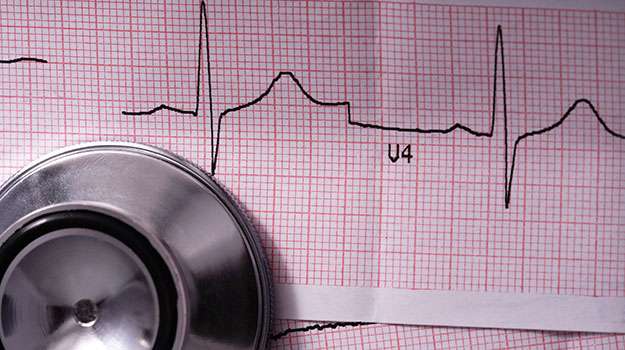
The presence of elevated cholesterol levels in the body can lead to significant cardiovascular risks if left unaddressed. Thus achieving optimal cholesterol levels is crucial for heart health maintenance.
- Causative Factors: Diet rich in saturated fats, lack of physical activity; these factors influence cholesterol levels adversely over time.
ATRIAL FIBRILLATION (AFIB) TREATMENT
Atrial fibrillation is an irregular heartbeat that can increase the risk of stroke and other heart-related complications. Understanding this condition is vital for effective management.
- Symptoms: Commonly reported symptoms include palpitations, dizziness, fainting spells, and increased fatigue during activities.
- Causative Factors: High blood pressure, cardiac surgeries or valve issues are notable contributors to AFib onset.
- Diagnosis: AFib is diagnosed through EKGs that monitor heart rhythm patterns clearly indicating irregular beats.
- Treatment Options: Rate control with beta-blockers or anticoagulants to prevent strokes are typical approaches; sometimes catheter ablation may be suggested for long-term solutions.
Your healthcare provider's guidance on managing AFib will be instrumental in reducing risks associated with this condition. Frequent monitoring enables personalized care adjustments as necessary.
HEART FAILURE MANAGEMENT
Heart failure is a complex syndrome in which the heart cannot pump sufficient blood to meet the body's needs. It can be due to various underlying conditions affecting cardiac function.
- Causes: Conditions such as coronary artery disease and hypertension are primary contributors to this issue.
- Symptoms: Patients may experience fatigue, swelling in legs or abdomen, and persistent cough or wheezing due to fluid buildup in the lungs.
- Diagnosis: Diagnosis involves physical exams along with tests including echocardiograms and blood tests for determining heart function and fluid levels.
- Treatment Options: Management typically combines lifestyle changes with medications like ACE inhibitors and diuretics. In advanced cases, devices like pacemakers might be warranted.
A comprehensive approach aimed at improving quality of life is essential for managing heart failure effectively. Continuous follow-up enhances care outcomes.
CORONARY ARTERY DISEASE (CAD) TREATMENT
Coronary artery disease occurs when the coronary arteries become narrowed or blocked due to plaque buildup. This can restrict blood flow to the heart muscle, leading to chest pain or heart attacks.
- Causes: Factors such as high cholesterol, smoking, diabetes, and sedentary lifestyle contribute significantly to CAD.
- Symptoms: Common signs include chest discomfort, fatigue, and shortness of breath during physical activity.
- Diagnosis: Diagnostic tests include ECGs, stress tests, and angiograms that assess blood flow within the coronary arteries.
- Treatment Options: Management may include lifestyle modifications alongside medications like statins or anticoagulants; severe cases could need surgical interventions such as angioplasty or bypass surgery.
Catching CAD early ensures better outcomes. Regular screening plays a vital role in prevention and treatment strategies.
HYPERTENSION MANAGEMENT
Hypertension, or high blood pressure, is a common condition that can lead to serious health problems if not managed effectively. It often develops over many years without noticeable symptoms, making regular check-ups essential.
- Symptoms: Most individuals may not experience any symptoms, but some might have headaches, shortness of breath, or nosebleeds.
- Diagnosis: Blood pressure is measured using a sphygmomanometer during a routine physical examination.
- Treatment Options: Lifestyle changes such as diet and exercise are critical; medications may include diuretics or ACE inhibitors.
- Management: Regular monitoring and follow-up with healthcare professionals are crucial to ensure effective control of blood pressure levels.
- Expectations: With proper management, individuals can live healthy lives and reduce the risk of complications like heart disease.
Understanding hypertension is key to preventing its complications. Regular consultations can help in maintaining optimal health.