
Dr Nitin S Gokhale
About Me
Dr Nitin S Gokhale
Cardiologist
Biography
My Clinic
OPD Hours
| Tuesday | Morning | 10:00 AM | - | 02:00 PM |
| Evening | 06:00 PM | - | 09:00 PM | |
| Wednesday | Morning | 10:00 AM | - | 02:00 PM |
| Evening | 06:00 PM | - | 09:00 PM | |
| Thursday | Morning | 10:00 AM | - | 02:00 PM |
| Evening | 06:00 PM | - | 09:00 PM | |
| Friday | Morning | 10:00 AM | - | 02:00 PM |
| Evening | 06:00 PM | - | 09:00 PM | |
| Saturday | Morning | 10:00 AM | - | 02:00 PM |
| Evening | 06:00 PM | - | 09:00 PM | |
| Sunday | Morning | 10:00 AM | - | 02:00 PM |
| Evening | 06:00 PM | - | 09:00 PM | |
| Thursday | Morning | 10:00 AM | - | 02:00 PM |
| Evening | 06:00 PM | - | 09:00 PM |
Treatments
Specialised care and treatments offered
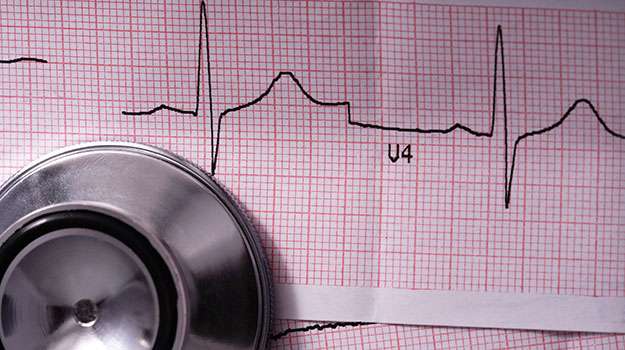
ELECTROCARDIOGRAM (ECG) INTERPRETATION

An electrocardiogram (ECG) provides valuable insight into your heart's electrical activity. This non-invasive test is a cornerstone for diagnosing various cardiac conditions swiftly and accurately!
- The ECG records electrical signals while you're resting or during exercise,showing information about the rhythm及sizeofheartchambers
- Abnormal findings could indicate arrhythmias,myocardial ischemia或其他心脏病状況
- The procedure usually takes just a few minutes; electrodes are placed on your chest arms及legs
- No special preparation is required—just inform your doctor about any medications you're taking或underlyinghealthconditions
- Regular ECGs might be recommended depending on individual circumstances; stay proactive!
Proper interpretation not only aids diagnosis but also inspires confidence as we work together towards better cardiac care!
HEART DISEASE RISK ASSESSMENT
An assessment of heart disease risk helps identify potential problems before they arise. This proactive approach enables individuals to make informed decisions regarding their cardiovascular health.
- Risk factors include family history, smoking habits, obesity, and having diabetes or high blood pressure
- Evaluating these aspects typically comprises blood tests和cholesterol checks along with lifestyle assessments
- Based on findings,your healthcare provider may prescribe personalized intervention plans including dietary modifications和exercise programs
- Monitoring progress regularly allows adjustments in management strategies when needed
- By understanding your unique risk profile,you empower yourself against future cardiac events
Effective risk assessment serves as an essential foundation for maintaining optimal cardiovascular health throughout life。
ATRIAL FIBRILLATION DIAGNOSIS & MANAGEMENT
Atrial fibrillation (AFib) is an irregular heartbeat that can increase the risk of stroke. Understanding its nuances is crucial for effective management and treatment options available today.
- This condition may present with symptoms like palpitations, fatigue, dizziness, or even chest discomfort but can also be asymptomatic。
- Diagnosis usually involves an electrocardiogram (ECG) which records the electrical activity of your heart over time。
- Treatment strategies focus on restoring normal rhythm through medications or procedures like cardioversion if necessary。
- Anticoagulants are frequently prescribed to prevent stroke risks associated with AFib。
- Regular follow-ups allow healthcare providers to monitor progression effectively。
With appropriate treatment plans tailored by your cardiologist, AFib can be managed successfully, enabling you to live an active life。
HEART-HEALTHY LIFESTYLE COUNSELING
A heart-healthy lifestyle plays an essential role in maintaining cardiovascular well-being. This approach combines diet, exercise, and stress management to promote overall heart health.
- Sedentary lifestyles and poor dietary choices contribute significantly to heart diseases.
- An effective strategy includes engaging in aerobic exercise at least 150 minutes per week for cardiovascular fitness.
- Nutritional guidance emphasizes a balanced diet low in saturated fats while being rich in fiber and antioxidants.
- Stress reduction techniques such as yoga or meditation can further support heart health by lowering harmful stress hormones.
- Your healthcare provider will personalize recommendations based on individual health needs and goals.
Embracing a healthy lifestyle can lead to improved long-term outcomes for your heart health and enhance your overall quality of life.
CHOLESTEROL MANAGEMENT
Managing cholesterol levels is vital for preventing cardiovascular diseases. Elevated cholesterol can lead to plaque buildup in arteries, increasing the risk of heart attacks.
- Symptoms are often absent; however, you may experience chest pain or fatigue during exertion in severe cases.
- Dyslipidemia is diagnosed through lipid panel blood tests that measure total cholesterol, LDL, HDL, and triglycerides.
- Strategies include adopting a heart-healthy diet rich in fruits, vegetables, and whole grains combined with regular physical activity.
- Medications like statins might be prescribed if lifestyle changes alone do not suffice.
- Your physician will suggest routine check-ups to monitor your cholesterol levels effectively.
With proper management, it's possible to maintain healthy cholesterol levels and enjoy better cardiovascular health.
HYPERTENSION MANAGEMENT
High blood pressure, or hypertension, is a common condition that can lead to serious health complications. It often has no symptoms, making regular screenings essential for early detection.
- Common symptoms may include headaches, shortness of breath, and nosebleeds.
- Diagnosis typically involves measuring blood pressure at multiple visits using a sphygmomanometer.
- Treatment options include lifestyle changes such as diet and exercise, along with medications like ACE inhibitors and beta-blockers.
- Regular monitoring is crucial to ensure that blood pressure remains within a target range.
- A healthy lifestyle can significantly improve your quality of life and reduce risk factors associated with high blood pressure.
Effective management can lead to improved heart health and reduce the risk of complications such as heart attack or stroke.