
Dr Nitin Suhas Deshpande
About Me
Dr Nitin Suhas Deshpande
General Surgeons
Biography
My Clinic
OPD Hours
| Tuesday | Morning | 10:00 AM | - | 02:00 PM |
| Evening | 06:00 PM | - | 09:00 PM | |
| Wednesday | Morning | 10:00 AM | - | 02:00 PM |
| Evening | 06:00 PM | - | 09:00 PM | |
| Thursday | Morning | 10:00 AM | - | 02:00 PM |
| Evening | 06:00 PM | - | 09:00 PM | |
| Friday | Morning | 10:00 AM | - | 02:00 PM |
| Evening | 06:00 PM | - | 09:00 PM | |
| Saturday | Morning | 10:00 AM | - | 02:00 PM |
| Evening | 06:00 PM | - | 09:00 PM | |
| Sunday | Morning | 10:00 AM | - | 02:00 PM |
| Evening | 06:00 PM | - | 09:00 PM | |
| Thursday | Morning | 10:00 AM | - | 02:00 PM |
| Evening | 06:00 PM | - | 09:00 PM |
Treatments
Specialised care and treatments offered
LAPAROSCOPIC SURGERY

Laparoscopic surgery represents minimally invasive options available across various surgical treatments allowing quicker recoveries than traditional techniques generate experiences fewer complications typically encountered during procedures conducted conventionally!
- Applicability: This approach caters favorably addressing multiple areas including gallbladders removals operations even complex surgeries such hysterectomies treating cancers present across abdominal regions effectively throughout institutions worldwide nowadays utilized extensively additionally greatly enhances patient comfort level beforehand too.
- Diagnostic Processes: Prior assessments take place utilizing instruments alongside cameras allowing visuals within body cavities leading preparations decisions asking accordingly tailored requirements emerge ahead successfully guiding actions taken eventually post evaluations signify positives garnered respectively meanwhile!
- Benefits Realized: Patients discover amazing advantages opting these techniques induce less scarring minimize duration hospitalization ultimately resume fulfilling lives faster without excessive interruptions occur amongst recoveries henceforth really contributing immense satisfaction found frequently!
Engaging advanced technology allows surgeons refine outcomes significantly elevating success rates seen regularly reinforcing well-being promote anytime sought following exploration routes available via facilities here operating locally guaranteeing excellent care every single step along journeys navigating together collaboratively achieving positive results always moving forward onwards together ultimately succeeding well characterized abundantly achieved momentarily visible improvements obtained naturally afterwards creating empowerment noticeable without limits going forward continuously!
THYROID SURGERY

Surgical intervention on the thyroid gland typically addresses conditions such as goiter or thyroid cancer. Thyroid surgery provides effective treatment options that significantly improve overall gland functionality post-procedure when indicated appropriately by specialists.
- Indications: Key reasons for surgery include a visibly enlarged goiter causing breathing difficulties or the presence of malignant cells identified through biopsy testing.
- Diagnostic Evaluation: Physicians employ ultrasounds and fine-needle aspiration biopsies to gain insights into nodules present within thyroid tissues before any decisions are made regarding surgical options.
- Surgical Techniques: Depending upon patient circumstances nexuses either complete thyroidectomies (whole removal) versus lobectomies (removal of lobe sections) are chosen properly addressing specific needs effectively thereafter.
- Aftercare Considerations: Post-operatively follow-up appointments monitoring hormone levels closely help ensure balanced metabolic functions resume normally enabling individuals continue daily living satisfactorily moving forward!
By providing timely action towards problematic growths people engage better long-term wellness prospects benefiting their overall health overall positively!
BOWEL RESECTION
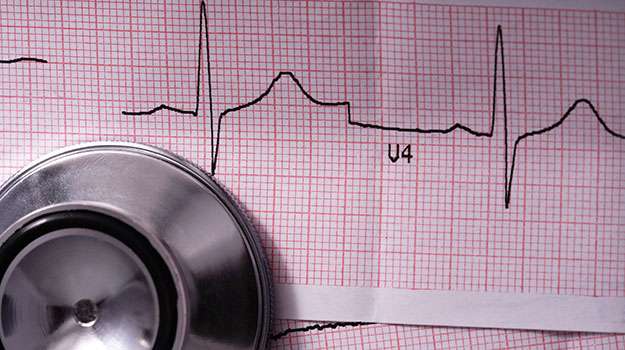
Bowel resection involves surgically removing a part of the intestine due to conditions such as cancer, blockages, or inflammatory bowel disease. This intervention aims to restore intestinal function while addressing underlying issues in severity cases.
- Causative Conditions: Indicators for this surgery include tumors, severe Crohn’s disease flare-ups, or diverticulitis causing complications like perforation.
- Disease Diagnosis: Diagnosis incorporates imaging studies such as CT scans and biopsies for cancer detection alongside endoscopy evaluations for inflammatory issues.
- Surgical Methodologies: Depending on need extent, resections can be partial or total with primary anastomosis restoring continuity between bowel segments afterward.
- Mending Journey: The healing process usually spans several weeks; dietary adjustments may be necessary during recovery periods for optimal gut health maintenance post-surgery.
This procedure offers vital relief for serious gastrointestinal disorders while promoting restoration capability over time through medical supervision and care practices!
GALLBLADDER SURGERY (CHOLECYSTECTOMY)
Cholecystectomy is performed to remove the gallbladder due to gallstones that cause pain or inflammation. This procedure alleviates symptoms associated with gallbladder dysfunction effectively.
- Main Symptoms: Patients frequently experience severe abdominal pain, especially after eating fatty meals; other signs include jaundice and digestive disturbances.
- How It's Diagnosed: Diagnostic methods encompass ultrasound imaging to identify stones and assess gallbladder health through lab tests for liver function.
- Surgical Approaches: Procedures may be done laparoscopically or through open surgery based on stone size and patient health conditions.
- Expected Recovery: Following surgery, most individuals can return home on the same day; they may experience some digestive adjustments over time post-operation.
The removal of the gallbladder typically leads to improved quality of life without major dietary restrictions thereafter.
HERNIA REPAIR
A hernia occurs when an organ pushes through an opening in the surrounding muscle or tissue. This condition is often treated with surgical hernia repair aimed at reinstating normal anatomy.
- Types of Hernias: Common types include inguinal (groin), umbilical (navel), and hiatal hernias, each presenting unique symptoms such as bulging or discomfort.
- Diagnosis Process: Physical examinations can reveal protrusion or tenderness; imaging tests like ultrasounds help assess severity and type.
- Surgical Treatments: Surgery may involve traditional open repair or laparoscopic techniques depending on the hernia's complexity and patient factors.
- Post-operative Care: Recovery varies; patients often resume regular activities within weeks but must follow guidelines regarding lifting and physical exertion.
Successful repair generally relieves symptoms and lowers recurrence risk significantly.
APPENDECTOMY
An appendectomy is a common surgical procedure to remove the appendix when it becomes inflamed, a condition known as appendicitis. It is crucial to address appendicitis promptly to avoid potential complications such as rupture and infection.
- Symptoms: Common signs include abdominal pain, particularly in the lower right quadrant, nausea, vomiting, and fever.
- Diagnosis: Diagnosis typically involves a physical examination, imaging tests like ultrasound or CT scans to confirm inflammation of the appendix.
- Treatment Options: The standard treatment is an emergency appendectomy. In some cases, antibiotics may be considered if surgery isn't immediately necessary.
- Recovery Expectations: Post-surgery, patients can expect some pain and discomfort for several days; however, most recovery occurs within a few weeks.
Timely intervention can lead to full recovery with minimal complications for those affected by appendicitis.