
Dr nitin tulsyan
About Me
Dr nitin tulsyan
MD
Anesthesiologist
10 Years Experience
Biography
My Clinic
OPD Hours
| Monday | Morning | 10:00 AM | - | 02:00 PM |
| Evening | 06:00 PM | - | 09:00 PM | |
| Tuesday | Morning | 10:00 AM | - | 02:00 PM |
| Evening | 06:00 PM | - | 09:00 PM | |
| Wednesday | Morning | 10:00 AM | - | 02:00 PM |
| Evening | 06:00 PM | - | 09:00 PM | |
| Thursday | Morning | 10:00 AM | - | 02:00 PM |
| Evening | 06:00 PM | - | 09:00 PM | |
| Friday | Morning | 10:00 AM | - | 02:00 PM |
| Evening | 06:00 PM | - | 09:00 PM | |
| Saturday | Morning | 10:00 AM | - | 02:00 PM |
| Evening | 06:00 PM | - | 09:00 PM | |
| Sunday | Morning | 10:00 AM | - | 02:00 PM |
| Evening | 06:00 PM | - | 09:00 PM |
Treatments
Specialised care and treatments offered
PREOPERATIVE ASSESSMENT
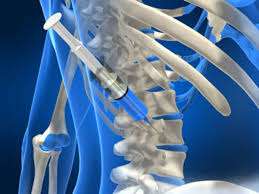
A comprehensive preoperative assessment is essential before proceeding with any surgical intervention. This evaluation serves multiple purposes to enhance both surgical outcomes and overall patient safety during procedures involving anesthesia usage.
- Objectives : Evaluating current health status helps identify potential anesthetic risks associated with individual cases
- Data Collection : Gathering information such as previous reactions under anesthesia ensures customized approaches tailored per unique situations faced by each patient
- Collaborating Approaches : Communication among medical teams enables seamless decision-making regarding best practices throughout surgery-related processes
- Informed Consent : Patients receive important details concerning procedure plans thus fostering shared understanding between healthcare providers delivering trustworthy recommendations moving forward into future engagements!
Optimal preparation maximizes both efficiency within operating rooms alongside reducing complications ultimately leading towards successful journeys within surgical care
GENERAL ANESTHESIA PROTOCOLS

The administration of general anesthesia allows patients to undergo major surgical procedures while remaining completely unconscious and insensate. A carefully developed protocol ensures safety throughout the process.
- Patient Evaluation: Prior assessments include reviewing medical history, allergies, and any pre-existing conditions that might complicate anesthesia administration.
MONITORED ANESTHESIA CARE (MAC)

Monitored Anesthesia Care (MAC) is a tailored anesthesia approach designed for outpatient procedures requiring sedation but not full anesthesia. It combines moderate sedation with local anesthetic techniques for optimal outcomes.
- Applications: Commonly used during minor surgeries such as cataract removal or dental procedures where patients remain relaxed yet responsive.
- The Role of Anesthesiologists: They will supervise the entire procedure ensuring patient's vital signs are stable throughout the process.
- Pain Control Strategies: Local anesthetics may also be utilized alongside sedative agents to enhance comfort levels without deep sedation risks.
This technique empowers patients by providing individualized care while prioritizing their safety during minimally invasive procedures.
PAIN MANAGEMENT TECHNIQUES

Pain management in anesthesia involves various strategies designed to alleviate acute or chronic pain conditions. These techniques play a crucial role in enhancing patient quality of life.
- Causative Factors: Pain can arise from surgery, injury, or chronic conditions like arthritis; understanding the source helps tailor treatment plans.
- Diagnostic Methods: Medical imaging, nerve blocks, and physical assessments aid in diagnosing pain origins effectively.
- Treatment Options: Options may include nerve blocks, pharmacological treatments like opioids or non-steroidal anti-inflammatory drugs (NSAIDs).
An effective pain management plan can significantly improve recovery experiences for patients undergoing various medical interventions.
SEDATION IN ENDOSCOPY

Sedation is frequently utilized during endoscopic procedures to ensure patient comfort and reduce anxiety. It involves administering medications to help patients relax without losing consciousness.
- Purpose: It is particularly useful in gastrointestinal endoscopies where patient cooperation is vital.
- Monitoring: During sedation, vital signs are continuously monitored for safety.
- Types of Sedatives: Various medications may be used, tailored to individual patient needs and procedure length.
- Aftercare: Post-procedure recovery includes close observation until sedation effects wear off completely.
This approach enhances the procedural experience while maintaining a focus on patient well-being throughout the process.
REGIONAL ANESTHESIA

Regional anesthesia is a technique that blocks sensation in specific areas of the body. It is commonly used during surgeries and can provide effective pain relief during and after procedures.
- Indications: It's often recommended for procedures on the lower body, such as hip or knee replacements.
- Diagnosis: Patients are evaluated through medical history and physical examinations to determine suitability.
- Management: Techniques may include spinal blocks or epidurals, allowing for significant pain control.
- Benefits: This method can lead to quicker recovery times and fewer side effects compared to general anesthesia.
A thorough understanding of regional anesthesia can ease patient anxiety and lead to an improved surgical experience.