
Dr NIVEDITA SHAR
About Me
Dr NIVEDITA SHAR
MD
Oncologist
10 Years Experience
Biography
My Clinic
OPD Hours
| Monday | Morning | 10:00 AM | - | 02:00 PM |
| Evening | 06:00 PM | - | 09:00 PM | |
| Tuesday | Morning | 10:00 AM | - | 02:00 PM |
| Evening | 06:00 PM | - | 09:00 PM | |
| Wednesday | Morning | 10:00 AM | - | 02:00 PM |
| Evening | 06:00 PM | - | 09:00 PM | |
| Thursday | Morning | 10:00 AM | - | 02:00 PM |
| Evening | 06:00 PM | - | 09:00 PM | |
| Friday | Morning | 10:00 AM | - | 02:00 PM |
| Evening | 06:00 PM | - | 09:00 PM | |
| Saturday | Morning | 10:00 AM | - | 02:00 PM |
| Evening | 06:00 PM | - | 09:00 PM | |
| Sunday | Morning | 10:00 AM | - | 02:00 PM |
| Evening | 06:00 PM | - | 09:00 PM |
Treatments
Specialised care and treatments offered
COLORECTAL CANCER
This cancer affects the colon or rectum lining and usually starts as benign polyps that progress over time into malignant tumors if untreated. Screening programs play an important role in prevention via early identification of precancerous lesions.
- The common presenting signs include altered bowel habits like diarrhea or constipation lasting more than a few weeks plus blood in stools or unexplained weight loss.
Screens used involve colonoscopy primarily while CT scans aid staging purposes.
Treatment often involves surgical resection combined with chemotherapy when necessary.
Postoperative surveillance includes periodic imaging & colonoscopies to check recurrence risk.
LUNG CANCER

Lung cancer is characterized by uncontrolled growth of abnormal cells in lung tissues. It remains one of the leading causes of cancer-related deaths worldwide due to late presentation in many cases.
- Main Symptoms: Persistent cough, chest pain, shortness of breath, coughing up blood; smoking is a significant risk factor alongside environmental exposures.
- Diagnostic Tools: Chest X-ray followed by CT scan; biopsy provides definitive diagnosis including molecular profiling for treatment planning.
- Treatment Strategies: Surgery is considered for early stages; chemotherapy and radiotherapy are standard for advanced stages; newer immunotherapies show promise as well.
- Disease Management: Symptom relief measures such as oxygen therapy alongside regular assessment improve patient comfort during treatment courses.
An individualized approach helps optimize outcomes despite challenges posed by this aggressive malignancy.
PEDIATRIC NEUROBLASTOMA
Pediatric neuroblastoma is a cancer arising from immature nerve cells in infants and young children. It often develops in adrenal glands but can appear anywhere along the sympathetic nervous system pathway.
- Clinical Features: Abdominal mass or swelling, bone pain, fatigue, fever; symptoms depend on tumor location and spread.
- Diagnostic Evaluation: Imaging (CT/MRI), urine catecholamine levels, biopsy confirm diagnosis.
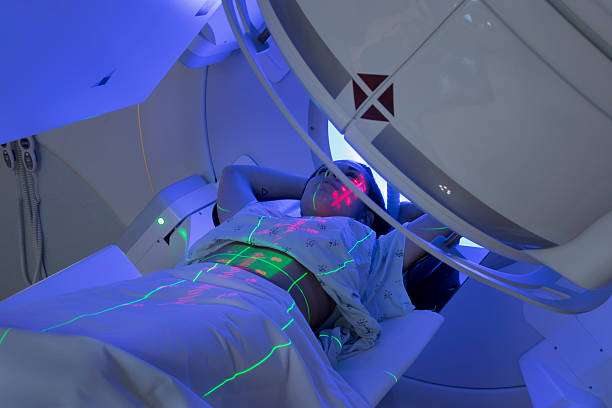
- Treatment Modalities: Combination of surgery, chemotherapy, radiation therapy tailored according to risk stratification of the tumor.
- Follow-Up Care: Long-term monitoring essential due to risk of relapse; rehabilitation supports quality of life improvements post-treatment.
This complex childhood cancer requires multidisciplinary care aimed at maximizing cure rates while minimizing long-term side effects.
LEUKEMIA
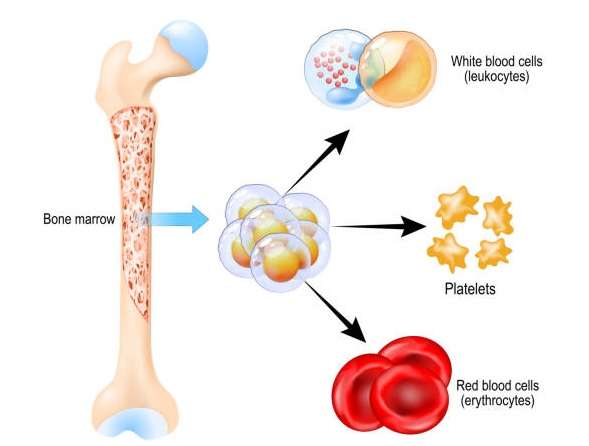
Leukemia is a group of cancers that affect blood-forming tissues including the bone marrow and lymphatic system. It commonly arises with uncontrolled proliferation of abnormal white blood cells.
- Symptoms/Signs: Fatigue, frequent infections, easy bruising or bleeding, weight loss, swollen lymph nodes.
- Diagnosis: Complete blood count (CBC), bone marrow biopsy, cytogenetic analysis help classify leukemia type.
- Treatment Approaches: Chemotherapy remains cornerstone; targeted therapies and stem cell transplantation are options based on specific subtype.
- Prognosis Monitoring: Frequent follow-ups with blood tests assess remission status; supportive care manages complications like anemia or infections.
A timely diagnosis combined with appropriate therapy improves survival chances significantly for many patients with leukemia.
BREAST CANCER
Breast cancer is a malignancy that originates from breast tissue, commonly affecting women but can also occur in men. Early detection significantly improves outcomes and survival rates.
- Symptoms and Causes: May include a lump in the breast, changes in size or shape, skin dimpling, nipple discharge, or pain; caused by genetic factors, hormonal influences, and lifestyle aspects.
- Diagnostic Methods: Mammography, ultrasound, biopsy, and MRI are standard tools to confirm diagnosis.
- Treatment Options: Surgery (lumpectomy or mastectomy), chemotherapy, radiation therapy, hormone therapy, and targeted drugs depending on cancer type and stage.
- Management and Follow-up: Regular monitoring through clinical exams and imaging to detect recurrences early; supportive care to manage side effects is vital.
Understanding the disease helps patients navigate treatment decisions confidently while healthcare teams tailor interventions for best results.