
Dr NK Gupta
About Me
Dr NK Gupta
MD
Radiologist
10 Years Experience
Biography
My Clinic
OPD Hours
| Monday | Morning | 10:00 AM | - | 02:00 PM |
| Evening | 06:00 PM | - | 09:00 PM | |
| Tuesday | Morning | 10:00 AM | - | 02:00 PM |
| Evening | 06:00 PM | - | 09:00 PM | |
| Wednesday | Morning | 10:00 AM | - | 02:00 PM |
| Evening | 06:00 PM | - | 09:00 PM | |
| Thursday | Morning | 10:00 AM | - | 02:00 PM |
| Evening | 06:00 PM | - | 09:00 PM | |
| Friday | Morning | 10:00 AM | - | 02:00 PM |
| Evening | 06:00 PM | - | 09:00 PM | |
| Saturday | Morning | 10:00 AM | - | 02:00 PM |
| Evening | 06:00 PM | - | 09:00 PM | |
| Sunday | Morning | 10:00 AM | - | 02:00 PM |
| Evening | 06:00 PM | - | 09:00 PM |
Services
Specialised care and treatments offered
INTERVENTIONAL RADIOLOGY
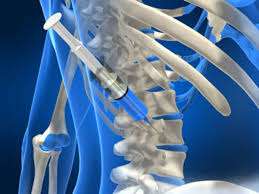
This subspecialty merges diagnostic imaging with minimally invasive techniques allowing healthcare providers access functionalities previously only achievable via traditional surgeries. Interventional radiology focuses on targeted treatments guided by sophisticated imaging modalities
- Minimally invasive approaches : Procedures often eliminate larger incisions reducing recovery times alongside potential complications associated with open surgeries.
- Common applications : Commonly treated conditions include vascular obstructions using stenting techniques along with targeted tumor ablations where high precision minimizes collateral damage surrounding healthy tissues.
- Patient safety measures : All interventional radiology procedures undergo extensive pre-assessments ensuring conceptual fit towards each particular patient's condition prior execution maximizing safety throughout entire process stages.
- Recovery expectations: Most patients return home within hours post-intervention showcasing lower hospitalization needs compared against conventional surgical pathways enhancing overall experience dynamics < / b r />
This innovative approach revolutionizes modern therapeutic measures aligning efficiency alongside preserving vital health infrastructure seamlessly delivering positive healthcare impacts across diverse populations < / p />
FLUOROSCOPY
This dynamic imaging technique provides real-time visualization of internal bodily functions using continuous X-ray technology. Fluoroscopy is instrumental in guiding various medical procedures as well as diagnostics.
X-RAY IMAGING

X-rays are one of the most common forms of medical imaging. They utilize small doses of ionizing radiation to capture images of internal structures, particularly bones.
- Symptoms/causes: X-rays are invaluable for diagnosing fractures, infections, and other bone-related conditions that result from injury or disease processes.
- Diagnosis: During an X-ray examination, patients typically stand against a plate while images are taken; this process is swift and usually completes within minutes.
- Treatment options: Results can lead directly to treatment recommendations including immobilization devices like casts or surgical procedures when serious injuries are indicated.
- What to expect: The procedure generally involves little discomfort; patients might be asked to change into a hospital gown depending on the area being examined.
X-ray technology remains a first-line diagnostic tool due to its efficiency and effectiveness in identifying various health concerns rapidly.
MRI (MAGNETIC RESONANCE IMAGING)

MRI uses powerful magnets and radio waves to generate detailed images of soft tissues within the body. It's particularly useful for examining muscles, ligaments, and brain structures.
- Symptoms/causes: MRI is effective for diagnosing conditions related to neurological diseases or joint issues like torn ligaments or cartilage damage.
- Diagnosis: Patients are placed inside a large machine; being relaxed helps achieve optimal image quality during the 30-60 minute procedure.
- Treatment options: Findings from MRIs might indicate the necessity for therapy such as physical rehabilitation or surgical intervention based on specific conditions observed.
- What to expect: This non-invasive testing does not involve radiation exposure, making it safe and straightforward for clinical evaluation purposes.
The clear results provided by MRIs allow healthcare professionals to tailor treatment plans effectively and enhance patient outcomes.
CT SCAN (COMPUTED TOMOGRAPHY)

A CT scan is an advanced imaging technique that provides detailed cross-sectional images of the body. It combines X-ray equipment with computer technology to create comprehensive views of internal organs and tissues.
- Symptoms/causes: CT scans are frequently employed in emergency situations to identify injuries or abnormalities in organs following trauma.
- Diagnosis: The process involves minimal discomfort; patients may need to lie still while images are captured from multiple angles.
- Treatment options: In some cases, a CT scan may reveal pathology requiring immediate intervention, while others may lead to a follow-up assessment plan.
- What to expect: Some scans use contrast agents for clearer imaging; patients will be informed if this is necessary prior to the procedure.
This imaging modality significantly aids in accurate diagnosis and treatment planning across various medical fields.
ULTRASOUND

Ultrasound imaging, or sonography, is a non-invasive diagnostic technique widely used in medicine. It employs high-frequency sound waves to produce images of organs and structures inside the body.
- Symptoms/causes: Ultrasound can help diagnose various conditions causing abdominal pain, swelling, or trauma.
- Diagnosis: This imaging method is often chosen for its safety and ability to provide real-time images; it does not involve radiation.
- Treatment options: While ultrasound itself is diagnostic, findings may lead to further treatments such as surgery or medication based on the diagnosis.
- What to expect: The procedure is typically quick, painless, and requires no special preparation beyond possibly fasting for certain abdominal studies.
The results are usually available shortly after the examination, providing crucial information for subsequent medical decisions.