
Dr NK Mathur
About Me
Dr NK Mathur
Dermatologist
Biography
My Clinic
OPD Hours
| Monday | Morning | 10:00 AM | - | 02:00 PM |
| Evening | 06:00 PM | - | 09:00 PM | |
| Tuesday | Morning | 10:00 AM | - | 02:00 PM |
| Evening | 06:00 PM | - | 09:00 PM | |
| Wednesday | Morning | 10:00 AM | - | 02:00 PM |
| Evening | 06:00 PM | - | 09:00 PM | |
| Thursday | Morning | 10:00 AM | - | 02:00 PM |
| Evening | 06:00 PM | - | 09:00 PM | |
| Friday | Morning | 10:00 AM | - | 02:00 PM |
| Evening | 06:00 PM | - | 09:00 PM | |
| Saturday | Morning | 10:00 AM | - | 02:00 PM |
| Evening | 06:00 PM | - | 09:00 PM | |
| Sunday | Morning | 10:00 AM | - | 02:00 PM |
| Evening | 06:00 PM | - | 09:00 PM |
Treatments
Specialised care and treatments offered
CHEMICAL PEELS
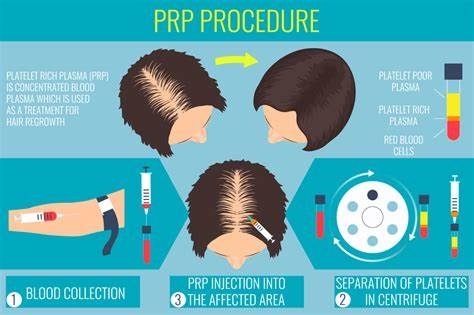
Chemical peels are popular procedures designed to enhance overall complexion by removing damaged outer layers of the skin using chemical solutions. This treatment aids in addressing issues like fine lines and uneven pigmentation efficiently!
The results increase gradually fostering healthier appearance thus improving one’s overall aesthetic satisfaction further proving efficaciousness served aesthetically here too!!
SKIN CANCER SCREENING
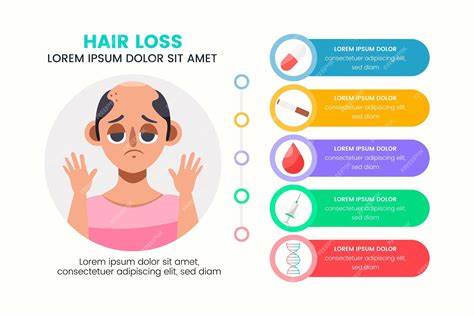
A comprehensive screening process to identify potential signs of skin cancer early on is crucial for successful intervention. Regular checks are advised especially if you have risk factors such as fair skin or a family history of melanoma.
- Importance : Early detection dramatically increases survival rates; hence awareness about any changing spots on your body becomes vital diagnostic elements here!
- How it’s done ?:/em>: During screenings dermatologists examine moles/skin growths assessing their size/color/symmetry- looking out mainly for abnormalities indicating possible malignancy!
- When to start ?:/em>: Individuals should begin self-examinations regularly as soon as adulthood arises - usually around late teens unless family history necessitates earlier visits!
- Other pros :/em>: Besides identifying cancerous conditions timely- they assist in monitoring existing lesions ensuring they remain non-cancerous!
The hope lies within proactive actions taken today preventing tomorrow’s serious complications associated alongside untreated conditions arising thereafter!
ROSACEA
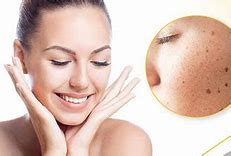
This chronic condition primarily affects the face, leading to redness and sometimes pimples resembling acne. Rosacea commonly appears during adulthood but its precise origin remains unclear.
- Symptoms: You might notice facial redness often accompanied by swelling or noticeable blood vessels on your cheeks or nose.
- Triggers : Potential triggers include hot beverages, spicy foods or emotional stress that provoke flare-up episodes.
- Diagnosis : A dermatologist usually assesses visible symptoms during an examination without needing extensive testing.
- Management options : Common treatments include topical medicated creams or oral antibiotics aimed at reducing inflammation while lifestyle adjustments also play a role in managing triggers.
- Expectations : While rosacea cannot be cured entirely, ongoing treatment helps keep symptoms under control with regular follow-ups recommended for optimal care.
Timely recognition paired with proper interventions ensures individuals coping with rosacea enjoy better days ahead free from excessive discomfort!
ECZEMA (ATOPIC DERMATITIS)
Eczema is a term for a group of conditions causing inflammation and irritation of the skin. Atopic dermatitis is one of the most common forms seen in children and adults.
- Symptoms: Common signs include dry patches of skin that are itchy; these areas may also appear red or inflamed over time.
- Causes: The exact cause is not fully understood but involves genetic factors alongside environmental triggers such as allergens.
- Diagnosis method: Dermatologists typically diagnose eczema through patient history along with visual inspection of the affected areas.
- Treatment approaches: Treatment often focuses on hydrating the skin with emollients along with anti-inflammatory medications to relieve itching and flare-ups.
- Your expectations: Eczema varies by person; with appropriate care routines and treatments, symptoms can be effectively managed over time.
An understanding approach towards treatment options can help mitigate symptoms while improving overall skin health for patients experiencing eczema.
PSORIASIS
This chronic autoimmune condition leads to rapid skin cell reproduction that causes scaling on the skin's surface. Psoriasis often manifests as red patches covered in thick, silvery scales.
- Symptoms: Individuals may experience dry patches of skin that itch or burn and visible red lesions.
- Causes: Triggers can include stress, infections, and certain medications.
- Diagnostics: Diagnosis usually involves examining the affected skin; occasionally a biopsy may be performed if diagnosis is unclear.
- Treatments: Treatment strategies can encompass topical therapies like corticosteroids or vitamin D analogs; phototherapy and systemic medications might be needed for severe cases.
- Expectations: While there's no cure for psoriasis, effective management strategies help control symptoms significantly.
A thorough management plan tailored to individual symptoms can greatly improve quality of life for those affected by psoriasis.
ACNE VULGARIS
Acne vulgaris is a common skin condition that affects many individuals, particularly during adolescence. It occurs when hair follicles become clogged with oil and dead skin cells, leading to the formation of pimples, blackheads, and cysts.
- Symptoms: These may include whiteheads, blackheads, papules, pustules, or deeper lumps.
- Causes: Factors such as hormonal changes, excess oil production, and bacteria can contribute to acne development.
- Diagnosis: A dermatologist may diagnose acne through a physical examination of your skin.
- Treatment options: Management may include topical treatments like retinoids or benzoyl peroxide, oral antibiotics for more severe cases, and lifestyle changes like proper skincare routines.
- What to expect: Results can vary; consistent treatment helps in managing breakouts effectively and preventing scarring.
Managing acne requires patience and an individualized approach. Seek guidance from a qualified professional for the best outcomes.