
Dr NMSaboo Memo
About Me
Dr NMSaboo Memo
MD
Anesthesiologist
Biography
My Clinic
OPD Hours
| Monday | Morning | 10:00 AM | - | 02:00 PM |
| Evening | 06:00 PM | - | 09:00 PM | |
| Tuesday | Morning | 10:00 AM | - | 02:00 PM |
| Evening | 06:00 PM | - | 09:00 PM | |
| Wednesday | Morning | 10:00 AM | - | 02:00 PM |
| Evening | 06:00 PM | - | 09:00 PM | |
| Thursday | Morning | 10:00 AM | - | 02:00 PM |
| Evening | 06:00 PM | - | 09:00 PM | |
| Friday | Morning | 10:00 AM | - | 02:00 PM |
| Evening | 06:00 PM | - | 09:00 PM | |
| Saturday | Morning | 10:00 AM | - | 02:00 PM |
| Evening | 06:00 PM | - | 09:00 PM | |
| Sunday | Morning | 10:00 AM | - | 02:00 PM |
| Evening | 06:00 PM | - | 09:00 PM |
Treatments
Specialised care and treatments offered
SEDATION DENTISTRY
Sedation dentistry employs various techniques designed to help anxious patients undergo dental procedures without experiencing distress. It assists individuals who may postpone necessary treatments due largely owing anxiety related conditions despite potential oral health implications involved
- Symptoms/Indications :Ideal candidates include those fearing needles & drills plus individuals requiring extensive dental restorations under relaxation protocols
- Diagnosis :Health practitioners evaluate past experiences alongside current emotional responses while gauging severity underlying fears present before starting interventions recommended
- Treatment/Management :Options range from nitrous oxide (laughing gas) used minimally providing mild calmness all way through deeper intravenous forms promoting complete relaxation during lengthy sessions
- What To Expect :This personalized approach aims ultimately create peaceful environment enabling efficient work done without compromising standards maintaining excellence throughout process resulting desired outcomes achieving success!
POSTOPERATIVE PAIN MANAGEMENT

The importance of proper postoperative pain management cannot be overstated. Effective control of pain following surgery plays a crucial role in promoting recovery and enhancing patient satisfaction. Various strategies are employed based on individual needs and types of surgery performed
- Symptoms/Indications :Patients may encounter elevated discomfort levels after major operations needing comprehensive evaluation from healthcare teams
- Diagnosis :Assessment usually includes regular monitoring using rating scales that allow identification concerning adequacy of medication provided
- Treatment/Management :Pain management plans often involve a mix of oral medications like acetaminophen or NSAIDs combined with narcotic analgesics when indicated
- What to Expect :By following prescribed guidelines & attending follow-up appointments ensures timely adjustments aimed at relieving excessive suffering
Thoughtfully considered protocols enhance overall outcomes post-surgery leading towards improved quality life
MONITORED ANESTHESIA CARE (MAC)

If you require surgical intervention but wish to stay awake yet relaxed, monitored anesthesia care (MAC) can be an excellent option. This technique combines sedation with local anesthetic administration, ensuring comfort while maintaining consciousness.
- Symptoms/Indications: MAC is especially beneficial in outpatient procedures or minor surgeries that can cause anxiety in patients who prefer some awareness during treatment.
- Diagnosis: Initial evaluations will assess medical history and personal preferences regarding sedation levels experienced by patients undergoing minor surgeries or diagnostics.
- Treatment/Management:A sedative is administered intravenously while local anesthetics block sensation at the surgical site when necessary
- What to Expect :Patients often report feeling relaxed yet aware; communication with their medical team remains vital throughout the process
MAC offers flexibility tailored towards individual needs depending on procedure scope
REGIONAL ANESTHESIA

Regional anesthesia blocks sensation in specific areas of the body, making it an ideal choice for various surgeries below the waist. This technique enhances comfort while allowing patients to remain conscious if desired.
- Symptoms/Indications: Suitable for procedures like cesarean sections or orthopedic surgeries on limbs, where targeted pain relief is essential.
- Diagnosis: A consultation involves reviewing surgical needs and evaluating potential risks associated with regional techniques.
- Treatment/Management: Local anesthetics are injected near nerves or along spinal pathways, effectively numbing sensation in targeted regions.
- What to Expect: Patients may feel pressure but should experience minimal discomfort during their procedure under this form of anesthesia!
This approach not only aids in pain relief but can also lead to faster recovery times post-surgery compared to general methods.
GENERAL ANESTHESIA

General anesthesia involves administering medications that render a patient completely unconscious during surgical procedures. This approach ensures that pain perception is eliminated entirely and that patients do not recall any aspect of the surgery.
- Symptoms/Indications: Indicated for major surgeries where local anesthesia would be insufficient to alleviate pain or anxiety.
- Diagnosis: A thorough pre-operative assessment including medical history and current health will determine suitability for general anesthesia.
- Treatment/Management: This technique utilizes a combination of intravenous drugs and inhaled gases to induce unconsciousness.
- What to Expect: Post-anesthesia, patients may experience grogginess but should follow-up care protocols provided by their healthcare team for optimal recovery.
This form of anesthesia is monitored closely throughout its administration to ensure safety and effectiveness during surgery.
EPIDURAL ANESTHESIA

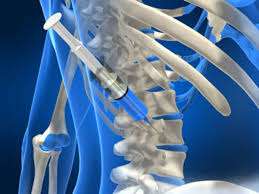
Epidural anesthesia is a widely used technique for pain management, especially during childbirth and certain surgical procedures. This method involves the injection of anesthetic agents into the epidural space surrounding the spinal cord, which provides targeted relief.
- Symptoms/Indications: Patients typically seek epidural anesthesia to manage severe pain during labor or surgery. It is particularly beneficial for those wanting to remain awake while alleviating discomfort.
- Diagnosis: The need for an epidural is assessed through patient interviews and evaluations, ensuring they understand the procedure's risks and benefits.
- Treatment/Management: Once decided, a catheter is placed in the epidural space, allowing continuous medication delivery for ongoing pain control.
- What to Expect: Patients may experience numbness and reduced sensation in their lower body; however, they remain alert throughout the process.
Epidural anesthesia remains one of the safest options for effective pain management in various medical situations.