
DR Nupur Gandhi H
About Me
DR Nupur Gandhi H
MBBS
General Physician
10 Years Experience
Biography
My Clinic
OPD Hours
| Monday | Morning | 10:00 AM | - | 02:00 PM |
| Evening | 06:00 PM | - | 09:00 PM | |
| Tuesday | Morning | 10:00 AM | - | 02:00 PM |
| Evening | 06:00 PM | - | 09:00 PM | |
| Wednesday | Morning | 10:00 AM | - | 02:00 PM |
| Evening | 06:00 PM | - | 09:00 PM | |
| Thursday | Morning | 10:00 AM | - | 02:00 PM |
| Evening | 06:00 PM | - | 09:00 PM | |
| Friday | Morning | 10:00 AM | - | 02:00 PM |
| Evening | 06:00 PM | - | 09:00 PM | |
| Saturday | Morning | 10:00 AM | - | 02:00 PM |
| Evening | 06:00 PM | - | 09:00 PM | |
| Sunday | Morning | 10:00 AM | - | 02:00 PM |
| Evening | 06:00 PM | - | 09:00 PM |
Treatments
Specialised care and treatments offered
ROUTINE PHYSICAL EXAMINATION
A regular comprehensive physical examination is foundational in detecting early signs of disease even before symptoms appear. It promotes proactive health management across all ages.
- Pillars Evaluated During Exam:Systolic/diastolic blood pressure check, pulse rate assessment, respiratory system evaluation form core parts ensuring baseline health monitoring.
- Aims & Benefits: Detecting conditions like hypertension or subtle respiratory abnormalities early aids timely intervention preventing progression.
- Addition Tests based on Findings: Depending on individual risk profile additional investigations such as ECGs or laboratory panels are advised.
- Lifestyle Counselling Incorporated :This visit offers opportunity discussing diet quality improvement , physical activity encouragement plus smoking/alcohol cessation support.
- Tailored Health Planning :The doctor designs personalized action plans addressing discovered concerns bolstering overall wellness trajectory forward.
Scheduled routine exams create building blocks for sustained wellness empowering patients through knowledge coupled with timely medical stewardship .
LIPID PROFILE TESTING

A lipid profile measures cholesterol types in the bloodstream helping evaluate cardiovascular risk. Elevated lipid levels contribute significantly to heart disease development globally.
- Main Components Assessed:Total cholesterol, LDL (bad cholesterol), HDL (good cholesterol), triglycerides provide comprehensive insight into lipid status. Preparation & Procedure:Fasting for 9-12 hours before blood draw ensures accurate results unaffected by recent meals impacting triglyceride values significantly.
Interpretation:Results interpreted alongside personal risk factors guide intensity of lifestyle modifications or need for statin medications.
Follow-up:Periodic testing evaluates effectiveness of interventions aiming at reducing cardiovascular events.
This simple but crucial test plays a vital role in comprehensive preventive healthcare strategies targeting heart disease reduction worldwide.
ANEMIA INVESTIGATION
Anemia is a condition marked by reduced red blood cell count or hemoglobin concentration leading to decreased oxygen delivery in the body. Identifying its type is critical for effective care.
- Spectrum of Symptoms: Patients may experience fatigue, pallor, shortness of breath on exertion or dizziness depending on severity and chronicity of anemia.
- Diagnostic Work-Up: Complete blood count (CBC) assesses hemoglobin levels; peripheral smear examines red cell morphology; iron studies clarify nutritional causes; other tests may rule out chronic diseases or bleeding sources.
- Treatment Modalities: Iron supplements for iron deficiency anemia; vitamin B12 or folate for megaloblastic types; addressing underlying pathology if present remains fundamental.
- Mild vs Severe Cases:Mild anemia often responds well to supplementation whereas severe forms might require additional therapies including transfusions in certain circumstances.
A systematic investigation ensures precise diagnosis guiding appropriate treatment strategies that improve energy levels and prevent complications effectively.
THYROID FUNCTION EVALUATION
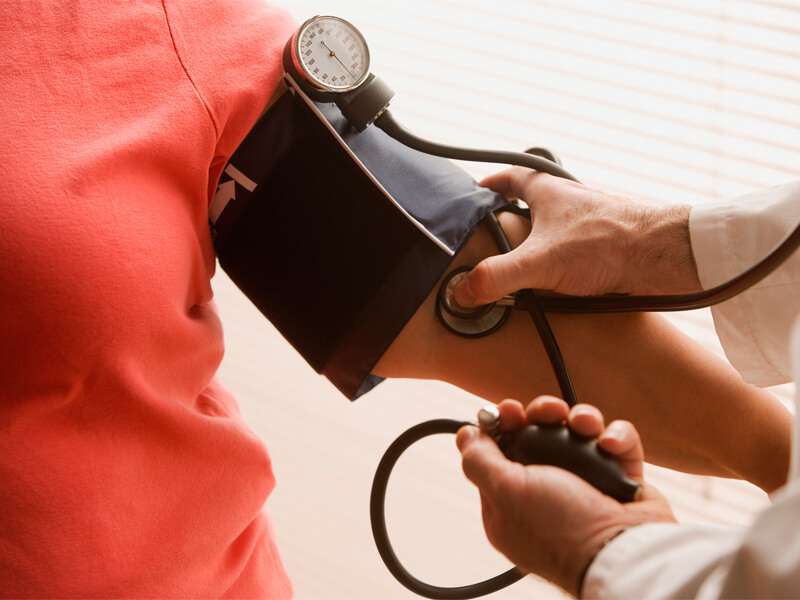
The thyroid gland regulates metabolism through hormone production. Disorders of this gland can profoundly impact overall health and well-being.
- Symptoms to Watch For: Fatigue, weight changes, temperature sensitivity, hair thinning may signal hypo- or hyperthyroidism.
- Laboratory Assessments: Blood tests measuring TSH (thyroid stimulating hormone), Free T3 and Free T4 levels help confirm diagnosis of thyroid dysfunctions.
- Treatment Approaches: Hypothyroidism is managed by hormone replacement therapy; hyperthyroidism may require antithyroid drugs or other interventions depending on cause severity.
- Expected Outcomes: With proper treatment adjustment based on regular monitoring thyroid hormone levels stabilize symptoms improving patient’s daily function significantly.
An accurate evaluation followed by tailored treatment enables effective management of thyroid disorders with minimal disruption in life activities.
DIABETES MELLITUS SCREENING

Diabetes Mellitus is a metabolic disorder characterized by elevated blood sugar levels due to insulin deficiency or resistance. Early detection is key to preventing complications.
- Causes and Risk Factors: Family history, obesity, sedentary lifestyle, age over 45 years increase risk; symptoms may include increased thirst and frequent urination but can be subtle initially.
- Diagnostic Tests: Fasting blood glucose test, HbA1c measurement to assess average glucose over months, and oral glucose tolerance tests are commonly used.
- Treatment Options: Lifestyle interventions focusing on diet and exercise; oral hypoglycemic agents or insulin therapy when required depending on severity.
- Lifelong Monitoring: Regular checkups help manage glucose levels effectively to avoid long-term issues like neuropathy or vision loss.
Prompt screening allows timely intervention that greatly improves quality of life for those with diabetes.
HYPERTENSION MANAGEMENT
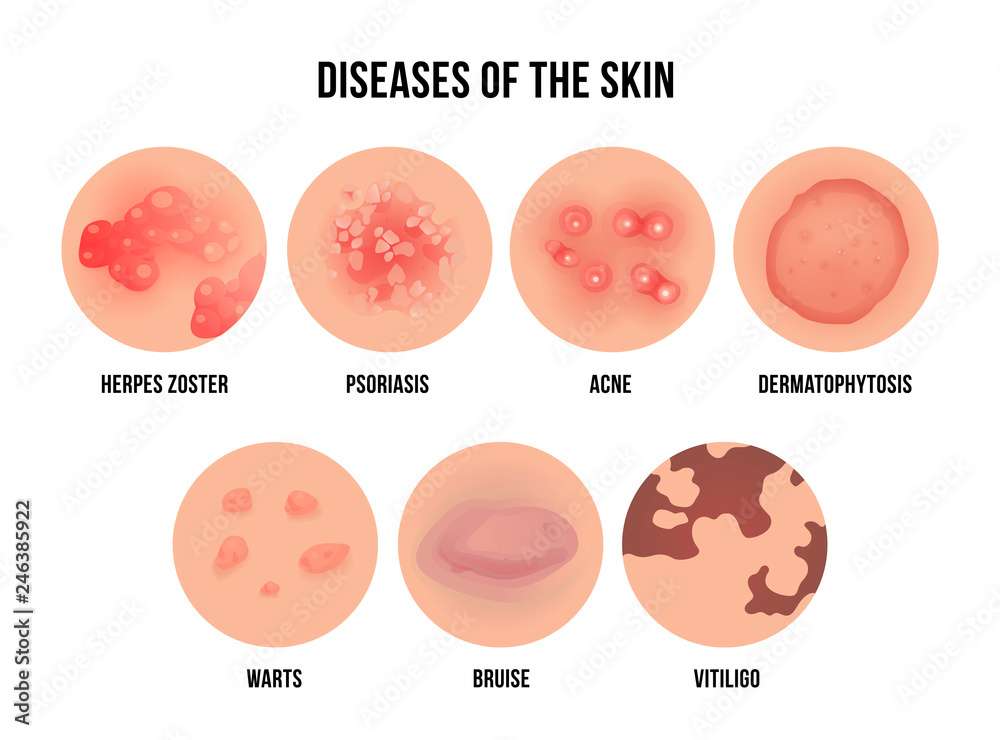
High blood pressure, or hypertension, is a common condition affecting many adults worldwide. It often has no obvious symptoms but can lead to serious health problems if left untreated.
- Symptoms and Causes: Often called the "silent killer" because it may not cause noticeable symptoms; risk factors include genetics, obesity, sedentary lifestyle, and high salt intake.
- Diagnosis: Regular blood pressure monitoring through sphygmomanometer readings and confirmation with multiple measurements over time.
- Treatment and Management: Lifestyle changes such as diet modification, increased physical activity, quitting smoking, along with prescribed antihypertensive medications if needed.
- Monitoring: Routine follow-ups to assess blood pressure control and medication side effects are essential for long-term management.
With proper care and adherence to treatment plans, individuals can effectively control blood pressure and reduce risks of complications like stroke or heart disease.