
DR O P Bhatia
About Me
DR O P Bhatia
MBBS
General Physician
Biography
My Clinic
OPD Hours
| Monday | Morning | 10:00 AM | - | 02:00 PM |
| Evening | 06:00 PM | - | 09:00 PM | |
| Tuesday | Morning | 10:00 AM | - | 02:00 PM |
| Evening | 06:00 PM | - | 09:00 PM | |
| Wednesday | Morning | 10:00 AM | - | 02:00 PM |
| Evening | 06:00 PM | - | 09:00 PM | |
| Thursday | Morning | 10:00 AM | - | 02:00 PM |
| Evening | 06:00 PM | - | 09:00 PM | |
| Friday | Morning | 10:00 AM | - | 02:00 PM |
| Evening | 06:00 PM | - | 09:00 PM | |
| Saturday | Morning | 10:00 AM | - | 02:00 PM |
| Evening | 06:00 PM | - | 09:00 PM | |
| Sunday | Morning | 10:00 AM | - | 02:00 PM |
| Evening | 06:00 PM | - | 09:00 PM |
Treatments
Specialised care and treatments offered
PREVENTIVE HEALTH CHECK-UPS
An integral aspect of healthcare involves undergoing preventive check-ups aimed at early detection & intervention before conditions advance further. These evaluations facilitate comprehensive assessments promoting longevity whilst preserving quality living standards throughout life’s stages!
- Common Indicators : Individual factors warranting attention include age , family history among other risk determinants influencing tailored approaches needed .
- Health Aspects Covered : Routine screenings encompass cardiovascular checks , bloodwork evaluating organ function assessing potential disease markers guiding next steps considering patient-specific contexts ahead !
WEIGHT MANAGEMENT

Mantaining an appropriate weight helps reduce the risk of developing numerous health issues including diabetes & cardiovascular diseases. Focused weight management strategies promote better overall well-being while preventing chronic ailments.
- Recognizable Signs: Noticeable weight fluctuations & difficulties in daily activities often signal imbalances needing attention .
- Underlying Causes: Factors such as overeating , sedentary lifestyles , hormonal disorders contribute substantially .
- Evaluation Methods: Healthcare professionals assess Body Mass Index (BMI) alongside other metrics guiding recommendations toward healthy goals .
- Strategic Interventions: Healthy eating patterns integrated with regular physical activity form foundational elements utilized throughout this journey .
- What To Anticipate : Supportive guidance ensures accountability fostering motivation throughout transformation process which reflects positively impacting self-esteem .
The focus lies upon creating sustainable habits empowering individuals achieving desired targets without compromising enjoyment over meals!
STRESS MANAGEMENT
Coping with stress effectively is crucial for maintaining both mental and physical health. Chronic stress can have detrimental effects on various bodily systems if not addressed timely.
- Pertinent Symptoms: Anxiety, irritability, insomnia, and physical issues like headaches or gastrointestinal problems often arise from prolonged stress exposure.
- Causal Factors: Common triggers include work demands, personal relationships issues, financial concerns, or major life changes.
- Management Strategies: Incorporating relaxation techniques such as deep breathing exercises & meditation into daily routines along with social support can mitigate stress impacts.
- Your Journey: Regular consultations allow for adjustments in strategies tailored specifically towards individual needs enhancing resilience against everyday stresses.
With optimal management practices in place one’s quality of life improves substantially diminishing adverse effects associated with overwhelming stressors.
CHOLESTEROL MANAGEMENT
Elevated cholesterol levels can pose a significant risk for cardiovascular diseases. Understanding how to manage cholesterol effectively is essential for heart health.
- Symptoms: High cholesterol typically does not cause symptoms directly; however, it can lead to serious conditions like heart attacks over time.
- Main Causes: Poor diet high in saturated fats, lack of exercise, obesity, and genetics contribute significantly to elevated cholesterol levels.
- The Diagnosis Process: A simple blood test known as a lipid panel measures cholesterol levels in the bloodstream.
- Treatment Options: Lifestyle changes including balanced nutrition rich in omega-3 fatty acids along with regular physical activity are crucial. Medication may be recommended based on individual needs.
- Your Expectations: Regular check-ups will help track cholesterol status and evaluate treatment effectiveness over time.
A proactive approach towards managing cholesterol can significantly enhance cardiovascular health and overall well-being.
DIABETES SCREENING AND MANAGEMENT

Diabetes is a chronic condition affecting how your body processes blood sugar (glucose). Early detection and effective management are vital to prevent complications such as heart disease or nerve damage.
- Symptoms: Increased thirst, frequent urination, extreme fatigue, and blurred vision are common indicators.
- Causes: Factors contributing to diabetes include obesity, sedentary lifestyle, genetic predisposition, and poor dietary choices.
- Diagnosis: Blood tests measuring glucose levels help determine whether an individual has prediabetes or diabetes.
- Treatment Strategies: Lifestyle modifications like improved diet and exercise are key; medications may also be prescribed when necessary.
- What to Expect: A personalized management plan will be developed that may require regular follow-up visits for monitoring glucose levels.
The goal of diabetes management is to maintain blood sugar at healthy levels while minimizing the risk of long-term complications.
HYPERTENSION MANAGEMENT
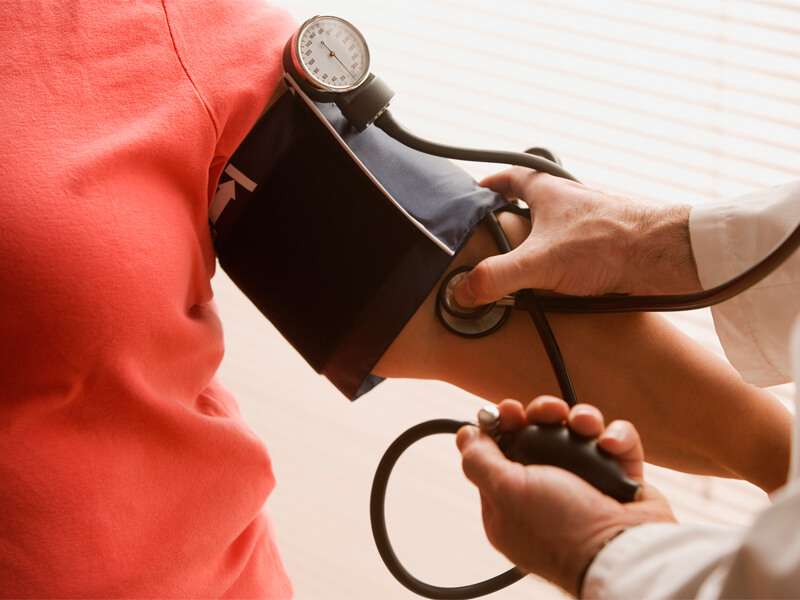
Hypertension, commonly regarded as high blood pressure, is a significant health concern that can lead to severe complications if left untreated. Understanding hypertension is crucial for effective management and prevention of associated risks.
- Symptoms: Often referred to as a silent killer, hypertension may not present visible symptoms, but some individuals might experience headaches or nosebleeds.
- Causes: Risk factors include genetics, poor diet, lack of physical activity, smoking, and excessive alcohol consumption.
- Diagnosis: Blood pressure is measured using a sphygmomanometer; a consistent reading above normal levels indicates hypertension.
- Treatment Options: Management includes lifestyle changes such as a balanced diet low in sodium, regular exercise, and medications when necessary.
- What to Expect: Regular monitoring and follow-ups are essential to maintain optimal blood pressure levels and adjust treatment as required.
Effective management of hypertension can greatly improve overall health and reduce the risk of serious conditions such as heart disease or stroke.